  1. Home
  2. Emerging Tech
  3. News

This AI lets self-driving cars “remember” past drives to plan safer routes

A memory of the past could make self-driving cars safer on the road

Add as a preferred source on Google
Self driving car from Waymo
Self driving car from Waymo Unsplash

One of the biggest problems with self-driving systems is that they can see the road perfectly well and still make shaky short-term decisions in messy city traffic. The advanced systems struggle to keep up with complex and fluctuating road situations. But a new study argues that these cars don’t need better vision, but a better memory.

In the peer-reviewed paper KEPT (Knowledge-Enhanced Prediction of Trajectories from Consecutive Driving Frames with Vision-Language Models), researchers from Tongji University and collaborators developed a system that helps autonomous vehicles “remember” past driving scenes before choosing what to do next.
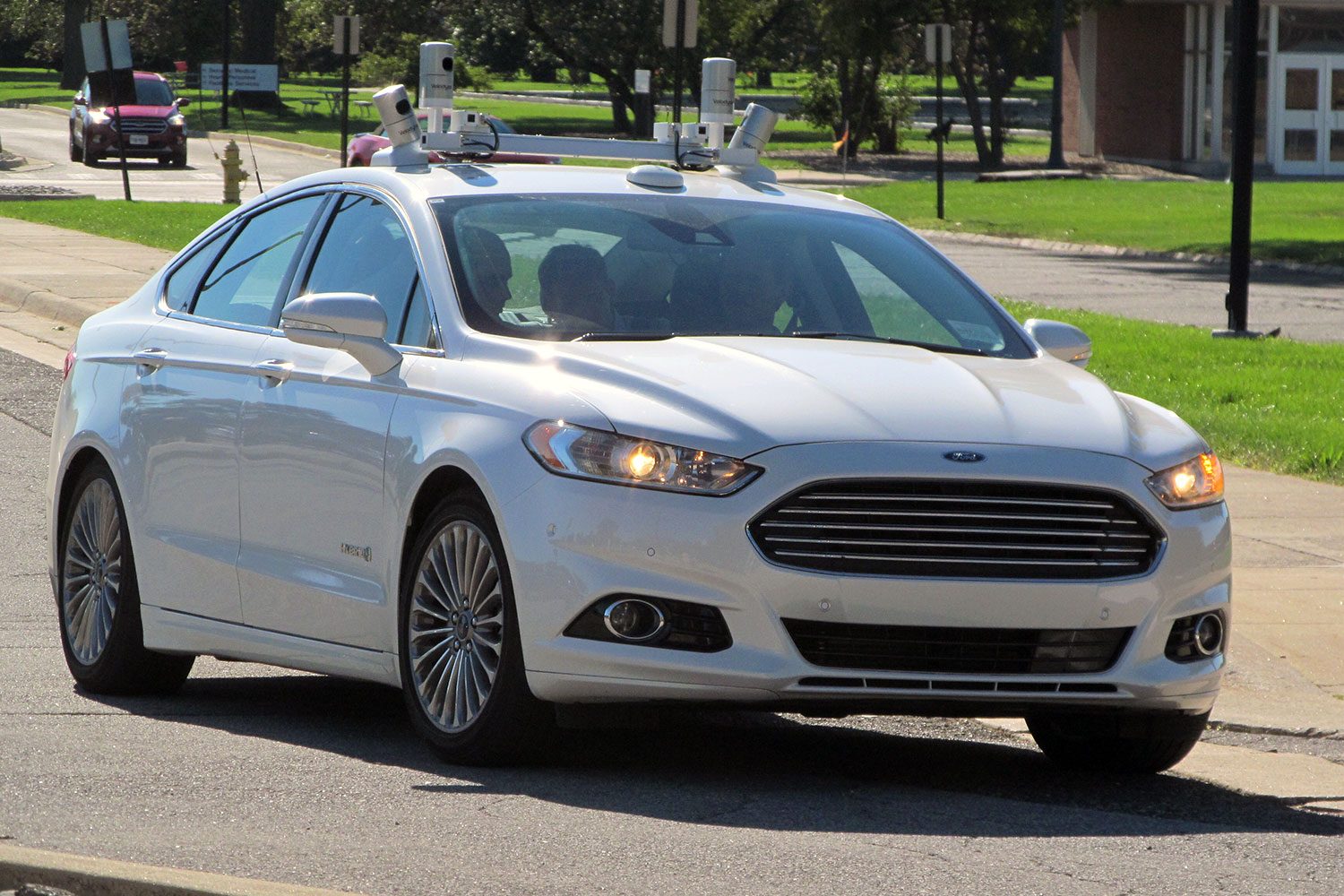
How does this new self-driving tech work?

The method, called KEPT, uses front-view camera video, compares it with a large library of earlier real-world driving clips, and then predicts a safer short-term trajectory based on both the current scene and retrieved examples from the past. The core idea is pretty intuitive. Instead of asking an AI model to react to every situation as if it has never seen anything like it before, KEPT lets it recall similar moments from previous drives.

Recommended Videos

Those examples are then fed into a vision-language model as part of a structured reasoning process. This matters since researchers say large vision-language models can otherwise hallucinate, ignore physical constraints, or suggest motion that looks plausible on paper but is not great for an actual car. So KEPT basically acts like guardrails to keep the model grounded in what similar traffic situations looked like in the real world.
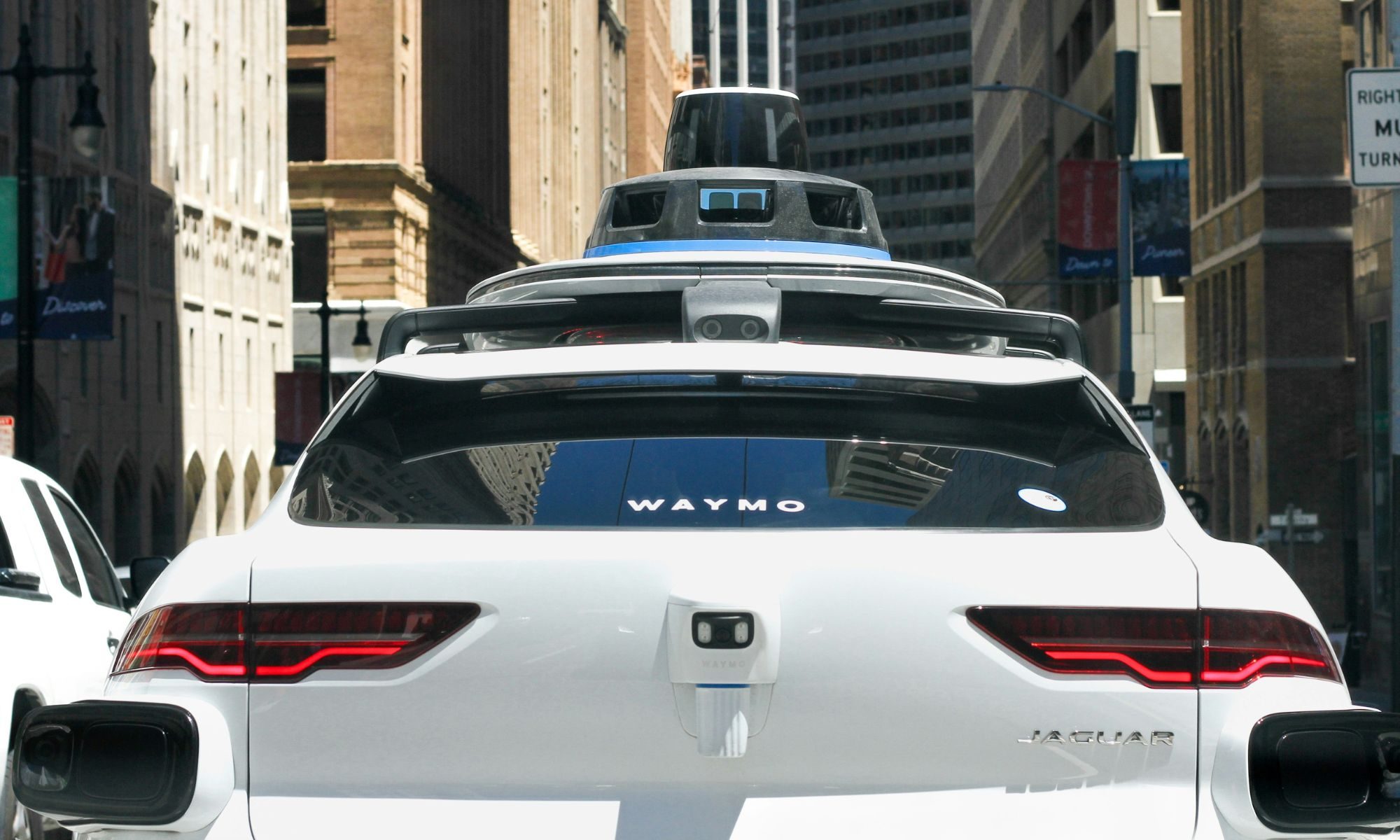
Is it better than conventional autonomous systems?

The researchers tested KEPT on the widely used nuScenes benchmark and said it outperformed both conventional end-to-end planning systems and newer vision-language-based planners on open-loop metrics. It even managed to reduce prediction error and lowered potential collision indicators, while keeping retrieval fast enough to remain practical for real-time driving.

This may make it seem like an obvious choice for next-gen self-driving cars but it’s not road-ready yet. Still, the broader idea is compelling. If autonomous cars can combine real-time perception with a meaningful memory of how similar situations unfolded before, they may end up making decisions that feel less brittle and more human-like.

Vikhyaat Vivek
Vikhyaat Vivek is a tech journalist and reviewer with seven years of experience covering consumer hardware, with a focus on…
Even brief AI use could hurt your ability to think, a new study finds
AI gives you answers fast, but a new study suggests it might be costing you something more valuable.
Toy, Person, Rubix Cube

A new study from researchers at Carnegie Mellon, MIT, Oxford, and UCLA suggests that using an AI chatbot for just 10 minutes could negatively impact your ability to think and problem-solve. And honestly, the findings are a little alarming.

As reported by Wired, the researchers asked participants to solve problems, including simple fractions and reading comprehension tasks. Some participants were given access to an AI assistant that could solve the problem for them.

Read more
Character.AI is being sued for allegedly letting a chatbot play doctor in Pennsylvania
Character.AI just got dragged into a first-of-its-kind AI doctor lawsuit
Character.AI on Google Play Store

Character.AI is finding itself in hot water once again. The company is facing a legal fight as one of its fictional bots allegedly acted like a medical professional. Character.AI previously added parental tools amid multiple lawsuits over inappropriate sexual content and self-harm-related messages.

Now, Pennsylvania Governor Josh Shapiro’s administration has filed a lawsuit against Character Technologies, the company behind Character.AI. He alleges that the platform allowed a chatbot to present itself as a licensed medical professional in the state.

Read more
LG’s next-gen Tandem OLED display tech is fixing some long-standing consumer problems
The third-gen Tandem OLED technology promises more than twice the lifespan and 18% lower power consumption.
LG Display third-gen Tandem OLED featured.

For years, OLED display owners have lived with a quiet set of tradeoffs: screens that dim over time, panels that struggle in bright rooms, and laptops that run out of juice faster than expected. LG Display's latest OLED lineup, unveiled at SID Display Week 2026 in Los Angeles, takes direct aim at all three with a range of new technologies across different product categories.

Longer life and less degradation, starting with your car

Read more