  1. Home
  2. Emerging Tech
  3. News

New OLED breakthrough could make the next see-through screen actually worth using

The electrode fix that could finally make see-through screens worth looking at.

Add as a preferred source on Google
Computer Hardware, Electronics, Hardware
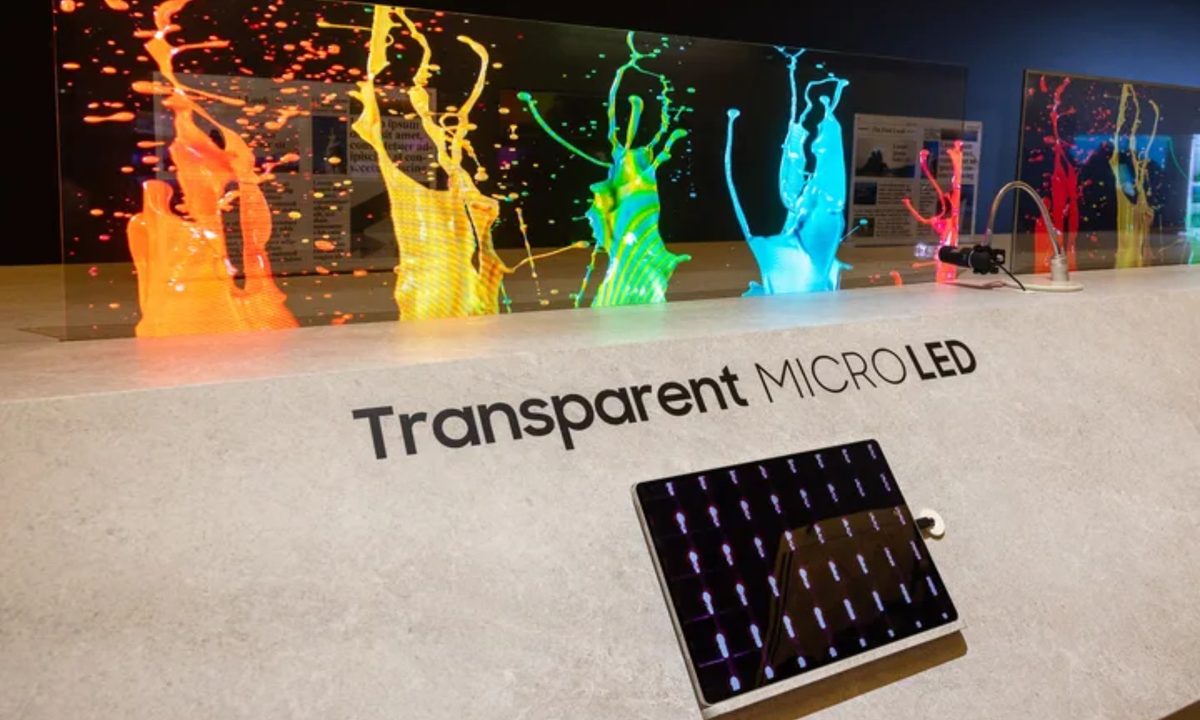
Samsung’s transparent microLED display at CES 2024. Phil Nickinson / Digital Trends

Every transparent OLED demo I’ve seen so far looks amazing for about ten seconds, right before I notice how dim or smudgy it actually looks. A big part of the problem is the role that electrodes play in the design. 

A transparent display requires a see-through electrode that sits on top of incredibly delicate organic light-emitting layers. However, most of the usual options either conduct electricity poorly or risk damaging those layers during manufacturing. 

So how exactly does this new electrode get made?

A team at Seoul National University, led by professor Yongtaek Hong, just found a way around that, and a clever one no less. 

Recommended Videos

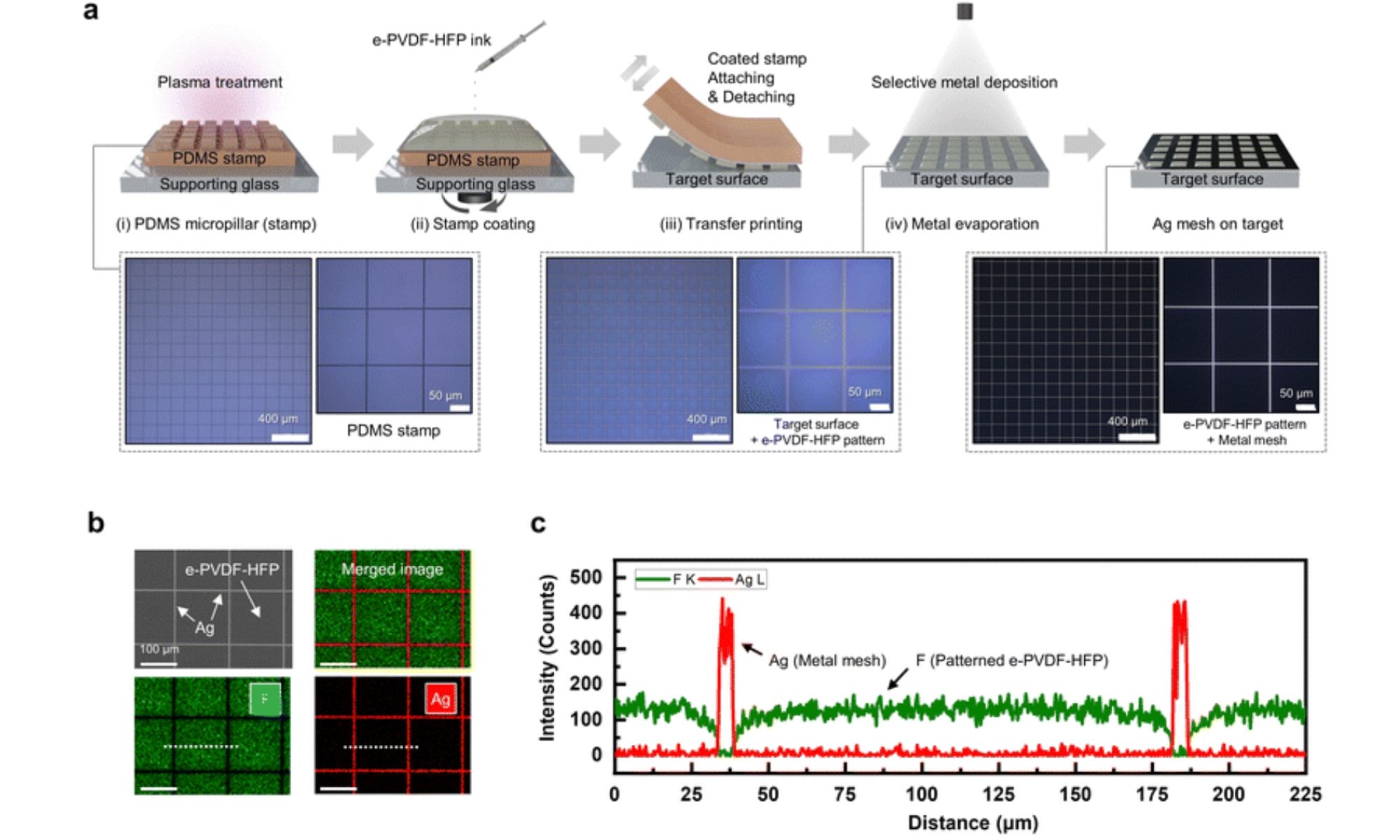
Instead of using harsh chemicals or etching to add a metal layer onto a finished OLED, which can damage the organic materials underneath, the team first stamps down a pattern of a special coating.

Instead of etching a metal layer onto a finished OLED, which can damage the organic materials underneath, the team first stamps down a pattern of a special coating (an elastomer). When metal vapor is added next, it sticks everywhere except on top of that coating, which repels it.

Without any rinsing or lift-off, we get a self-aligned metal mesh electrode that is 93.6% to 99% transparent with sheet resistance as low as 1.1 Ohm per square, which is extremely low for a transparent electrode, results in better electrical conductivity, according to the study published in Materials Horizons (via EurekAlert).
Why should you care about an electrode, of all things?

Because this lesser-known component is what has been holding back transparent displays. The team’s electrode scored a figure of merit above 10,000, which they call one of the best results ever reported for something as thin.  

Hong says the technique could become a go-to method for transparent and flexible displays, AR devices, car screens, smart windows, and even under-display facial recognition panels. 

This doesn’t mean that a transparent iPhone or Samsung Galaxy S-series ships next year. But fixing the boring manufacturing problem is exactly how these screens go from demos to something you would actually want to use.

Shikhar Mehrotra
For more than five years, Shikhar has consistently simplified developments in the field of consumer tech and presented them…
Brazil’s secret World Cup weapon taught the team when to ignore it
The data said he wasn't running enough. The footage said he was always in the “perfect tactical position.”
Soccer ball in net

Brazil has more World Cup titles than anyone, five of them to be precise, but after going through five straight tournaments without adding to that count, the team is leaning hard on data this time. 

Every player wears a sensor-packed "smart vest" tracking field position (via GPS), heart rate, and a stat called "player load," the same kind of numbers that your Whoop band or Apple Watch brags about, but tuned specifically for the sport.

Read more
This jacket pulls drinking water straight from the air
Engineers at UT Austin have developed a wearable textile that harvests ambient moisture into drinkable water.
Image showing person wearing a jacket with special fiber that pulls water from air

Engineers at the University of Texas at Austin have built a jacket that pulls drinkable water directly from the air, offering a potential solution for hikers, soldiers, agricultural workers, and emergency responders who operate far from reliable water sources.

How the jacket collects water

Read more
Google built an AI that can see football plays before they happen
DeepMind’s latest research predicts player movement up to eight seconds into the future
Google Deepmind TacticAI Featured

Football managers spend countless hours analyzing corners, free kicks, and player positioning in search of tiny competitive advantages. Google DeepMind believes artificial intelligence can make that process significantly faster, and its latest project, TacticAI, is designed to do exactly that. TacticAI is a football-specific AI assistant capable of modeling player movement, forecasting future play dynamics, and even recommending tactical adjustments for corner kicks. One of its standout abilities is predicting player trajectories up to eight seconds into the future using only broadcast-style visual data.

TacticAI was built with Liverpool FC and validated by football experts

Read more