  1. Home
  2. Emerging Tech
  3. News

You can now protect your ChatGPT account with a special USB-key

Add as a preferred source on Google
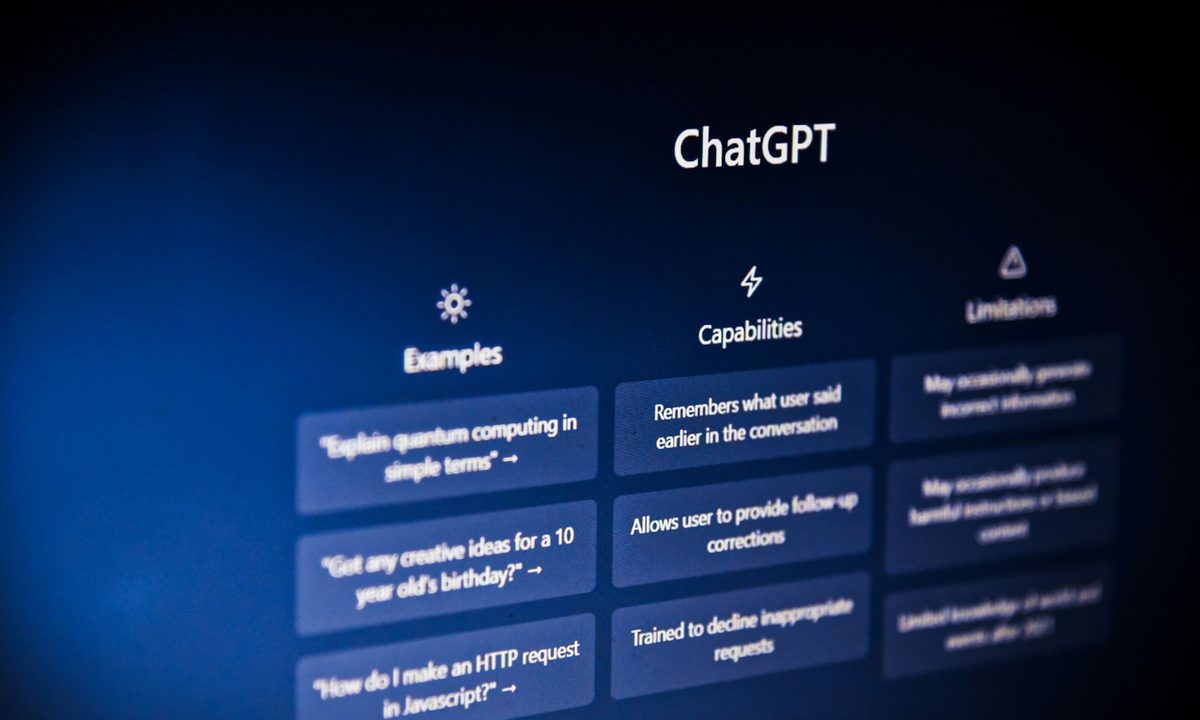
ChatGPT
ChatGPT Unsplash

If you’ve ever worried about someone getting into your ChatGPT account, ChatGPT account, OpenAI has finally introduced something worth paying attention to.

The company has rolled out a new opt-in feature called Advanced Account Security, and it is exactly what it sounds like. You can now lock down your account using a physical security key, which is now available to regular ChatGPT users.

What happens when you turn it on

The feature bundles several protections together rather than making you hunt through settings menus. Password-based login is disabled entirely and replaced by passkeys or physical security keys. Session lengths get shorter, so a stolen login can’t be used indefinitely. You get alerts when someone signs into your account. And conversations from enrolled accounts are automatically excluded from model training — no need to dig around for that toggle separately.

The account recovery side is where things get serious. Email and SMS recovery are disabled, so if you lose your keys, OpenAI Support cannot help you regain access. The most common way accounts get hijacked is through compromised email or phone numbers, so cutting that off is a meaningful step up.

OpenAI is partnering with Yubico to make the hardware more accessible

Rather than just pointing users to Google search results, OpenAI has partnered with Yubico — one of the most trusted names in hardware authentication — to offer discounted bundles of YubiKeys. The bundle includes two keys: one small enough to live permanently in your laptop port, and one with NFC for mobile use. It’s a smart move. The biggest barrier to hardware-based security has always been the friction of getting started, and removing the pricing hurdle helps.

While this is a good initiative, here’s what I really think about it. Most casual ChatGPT users probably don’t need this yet. But the landscape is shifting. People are using ChatGPT for sensitive work conversations, legal research, medical questions, and business strategy. An account that holds months of that context is a valuable target. OpenAI offering this now, before a major account-breach headline forces their hand, is the right call — and it’s a sign that AI companies are starting to take security as seriously as the data they’re actually holding.

Shimul Sood
Shimul is a contributor at Digital Trends, with over five years of experience in the tech space.
Indoor solar panels to power your gadgets? A team just proved it can be done safely
Researchers just made indoor solar panels safer and more efficient, and they could soon replace coin-cell batteries.
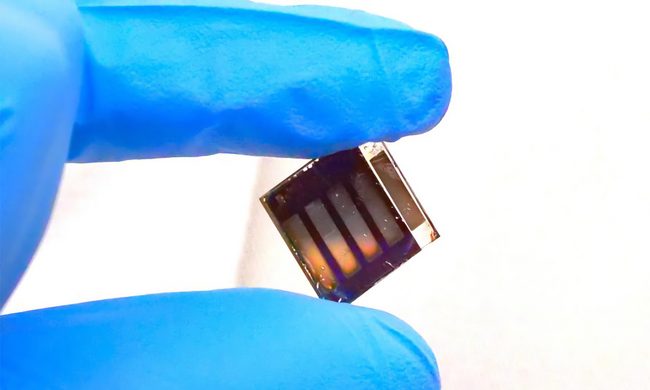
aibn indoor solar panels

University of Queensland researchers have developed indoor solar panels that could one day power your wearables, sensors, and small electronics using nothing but the light already in your home or office.

The panels are based on perovskite, a material that has been gaining attention as a successor to traditional silicon in solar cells. While silicon-based indoor solar cells top out at around 10 percent efficiency, perovskite can do significantly better. 

Read more
Your car’s Google Assistant is going away, and this is what replaces it
Electronics, Mobile Phone, Phone

There’s a very specific kind of frustration that comes with talking to your car. You say something perfectly normal, and it responds like it’s hearing you for the first time. “I didn’t get that.” “Please try again.” Or worse, it confidently pulls up something completely unrelated. For years, in-car voice assistants have lived in that awkward space — just useful enough to keep you trying.

That may finally be changing. Google is bringing Gemini to cars with Google built-in, gradually replacing Google Assistant with something that’s designed to understand natural, everyday speech. And if the difference between the two felt noticeable on your phone, in a car — where you need things to just work — it feels far more significant.

Read more
It seems the future of Vision Pro headset has been sealed at Apple
Apple Vision Pro

It's never easy watching a big swing miss. But this one? This one stings a little differently because Apple had every resource in the world to make it work, and it still couldn't.

According to MacRumors, Apple has quietly stepped back from the Vision Pro. Not discontinued it — the M5 model is still sitting on shelves at $3,499 — but the internal teams that built and maintained it have been scattered across other projects, and there are currently no plans for a next-generation model. For all practical purposes, the Vision Pro experiment is on ice, possibly permanently.

Read more