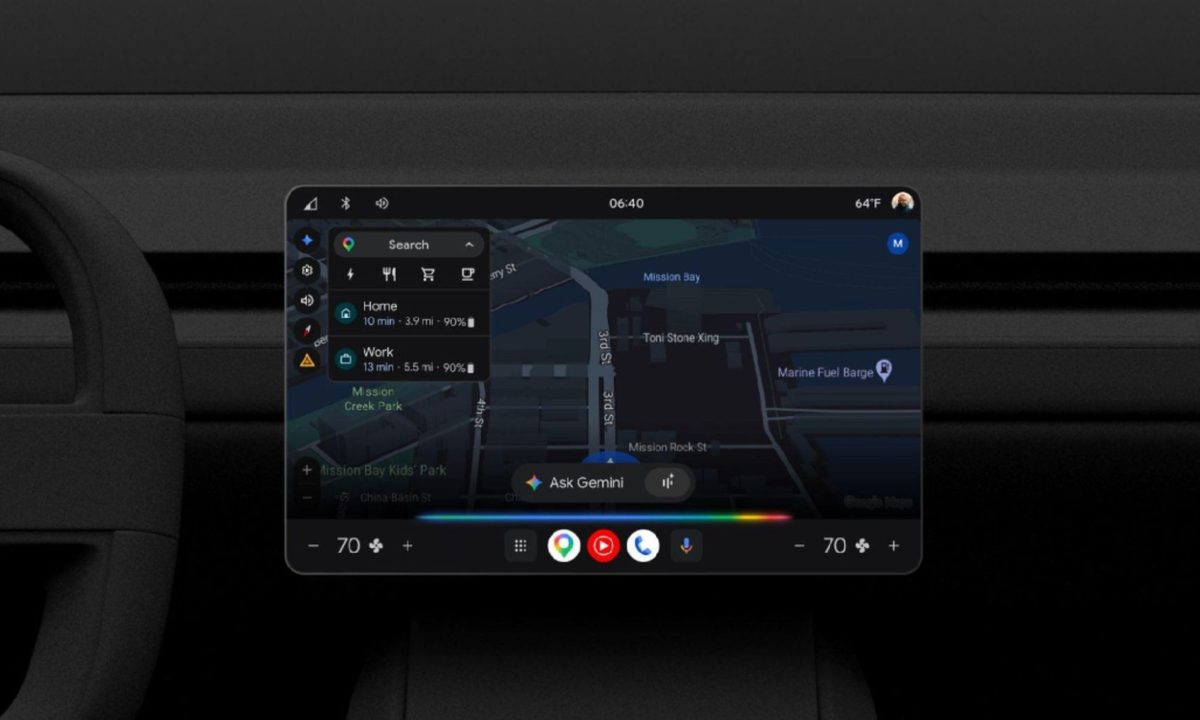
There’s a very specific kind of frustration that comes with talking to your car. You say something perfectly normal, and it responds like it’s hearing you for the first time. “I didn’t get that.” “Please try again.” Or worse, it confidently pulls up something completely unrelated. For years, in-car voice assistants have lived in that awkward space — just useful enough to keep you trying.
That may finally be changing. Google is bringing Gemini to cars with Google built-in, gradually replacing Google Assistant with something that’s designed to understand natural, everyday speech. And if the difference between the two felt noticeable on your phone, in a car — where you need things to just work — it feels far more significant.
Talking to your car like it’s a person
The biggest shift Gemini brings to the driving experience is moving past that rigid command-and-response routine. You no longer have to translate your thoughts into something a voice assistant might understand. You just say what you mean. Ask for “lunch somewhere with outdoor seating, nothing rushed, ideally with good reviews,” and it actually works. Instead of asking you to repeat yourself, Gemini pulls in real-time data from Google Maps, suggests places that fit your request, and lets you keep refining. You can ask about parking, check if there are vegetarian options, and narrow things down, all without touching the screen. And that same ease doesn’t stop at search.
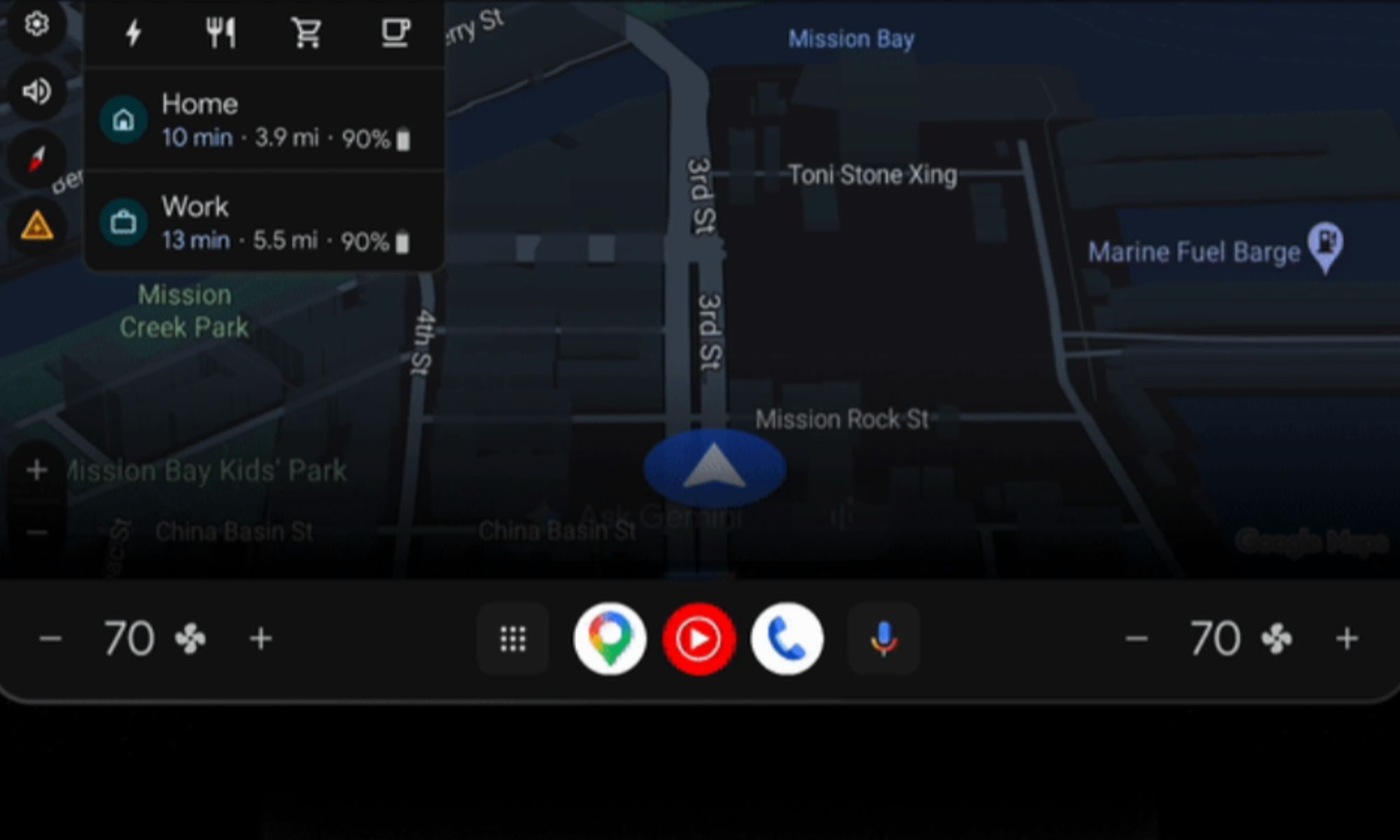
It naturally carries over into navigation as well. You can ask if the stadium you are passing has an event today and whether it is worth rerouting. You can report an accident in your lane and share that update with other drivers in the same breath. What used to feel like a simple destination entry now feels more aware of what is happening around you, and more responsive to it in real time.
That flow extends into messaging, too. You can ask Gemini to summarize unread texts, dictate a reply with your ETA, and then add a quick follow-up, all in one go. There is no need to restart or repeat yourself. If you have ever tried sending a message through older voice systems and gave up halfway, this feels like a clear step forward.
You don’t realize it’s essential until it suddenly is
Here’s where Gemini is expected to do something genuinely useful: it will actually understand your car. Not in a broad, one-size-fits-all way, but in the context of your specific make and model. It will pull directly from manufacturer manuals to answer questions that would usually send you digging through a glovebox booklet you have not touched since day one.
That should make a difference in the moments that typically trip you up. If your trunk is hitting a low garage ceiling, there will likely be a setting for it, and Gemini should be able to guide you through it. Not sure how to prepare your car for an automatic wash? You will be able to just ask. For EV drivers, this could become even more practical. You will be able to check real-time range, get accurate arrival estimates, find nearby charging stations, and even get suggestions for places to stop while you wait. It is expected to treat the everyday realities of driving an electric car as part of the experience.

That same ease should carry over to smaller things as well, and those moments tend to add up. You will be able to ask for jazz without knowing a station, request upbeat 70s folk rock for a mountain drive, or simply say that it feels cold and foggy and have the car adjust the heat and defroster accordingly.
Gemini is starting to roll out in English across the United States, with more languages and regions expected to follow. Importantly, this will not be limited to new vehicles. Cars that already come with Google built in are set to receive the update as well. It also brings Google closer to the promise it made a few years ago that your car would continue to improve over time. The road itself will not change, but the way you interact with your car may soon feel much more intuitive.