If you watch any professional esports tournament in 2026, you will notice a distinct lack of bulky “gaming headsets” on stage. Instead, the top players in Valorant and Counter-Strike are wearing In-Ear Monitors (IEMs). The industry secret is out: massive over-ear drivers often muddy the soundstage with overwhelming bass, whereas IEMs offer surgical precision.
The competitive edge
We call this the “audio wallhack.” By switching to high-fidelity monitors and a dedicated DAC (Digital-to-Analog Converter), you prioritize “imaging”: the ability to pinpoint exactly where a sound is coming from in 3D space. While a standard headset lets you hear an explosion, this setup lets you hear the enemy reloading behind the crate to your left. It is audio transparency that feels almost unfair.
The monitors (ears)
Sony – INZONE E9 Wired In-Ear Monitor (~$150)
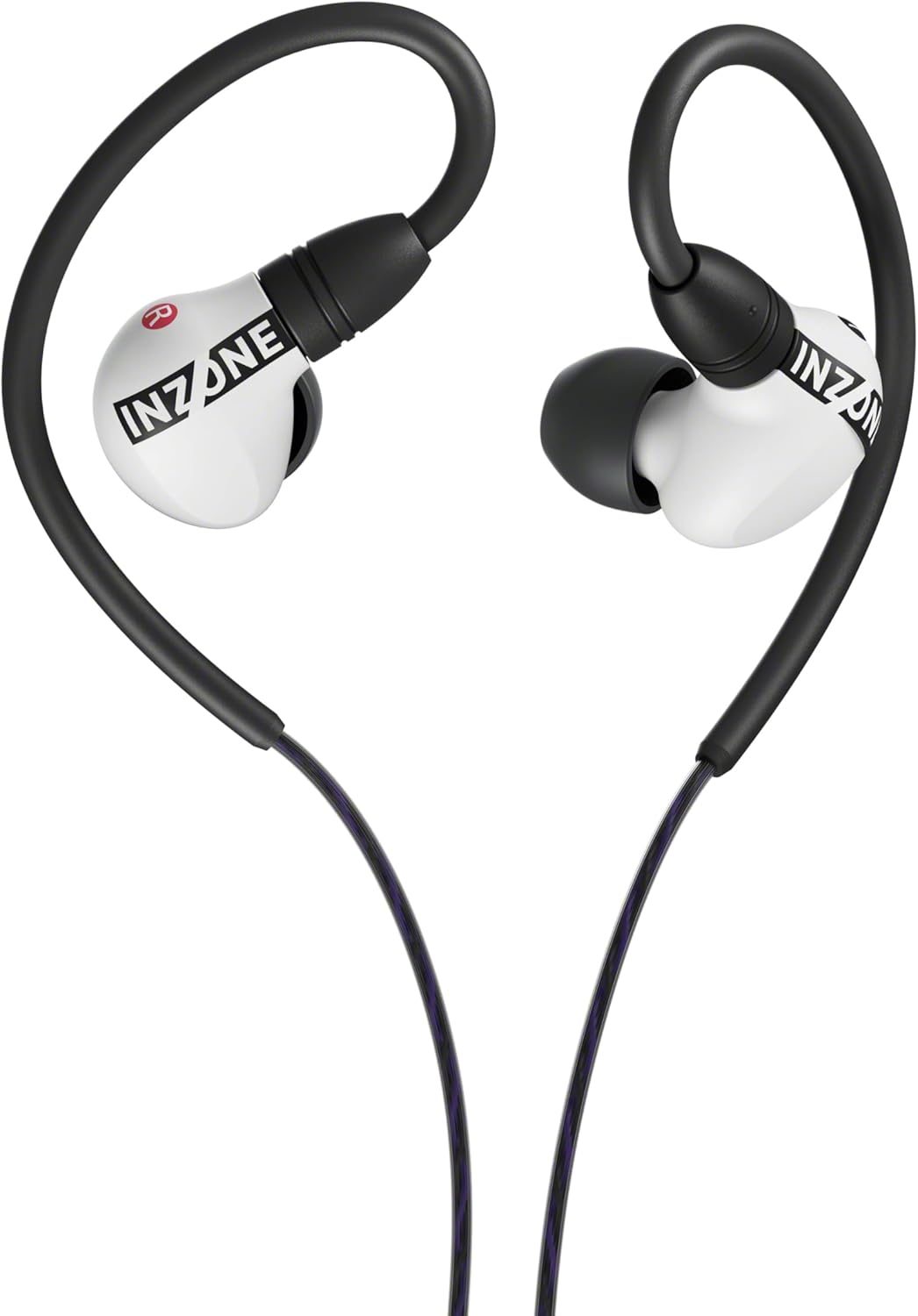
Sony has finally bridged the gap between their legendary audio division and their gaming hardware. The INZONE E9 is purpose-built for the competitive grid. Unlike music-focused IEMs, these are tuned specifically to highlight mid-high frequencies—the exact range where footsteps, reloads, and bomb plants live. They are comfortable enough for marathon sessions and surprisingly capable of creating a wide soundstage for a closed in-ear driver.
Sennheiser – IE 200 Audiophile Headphones (~$130)
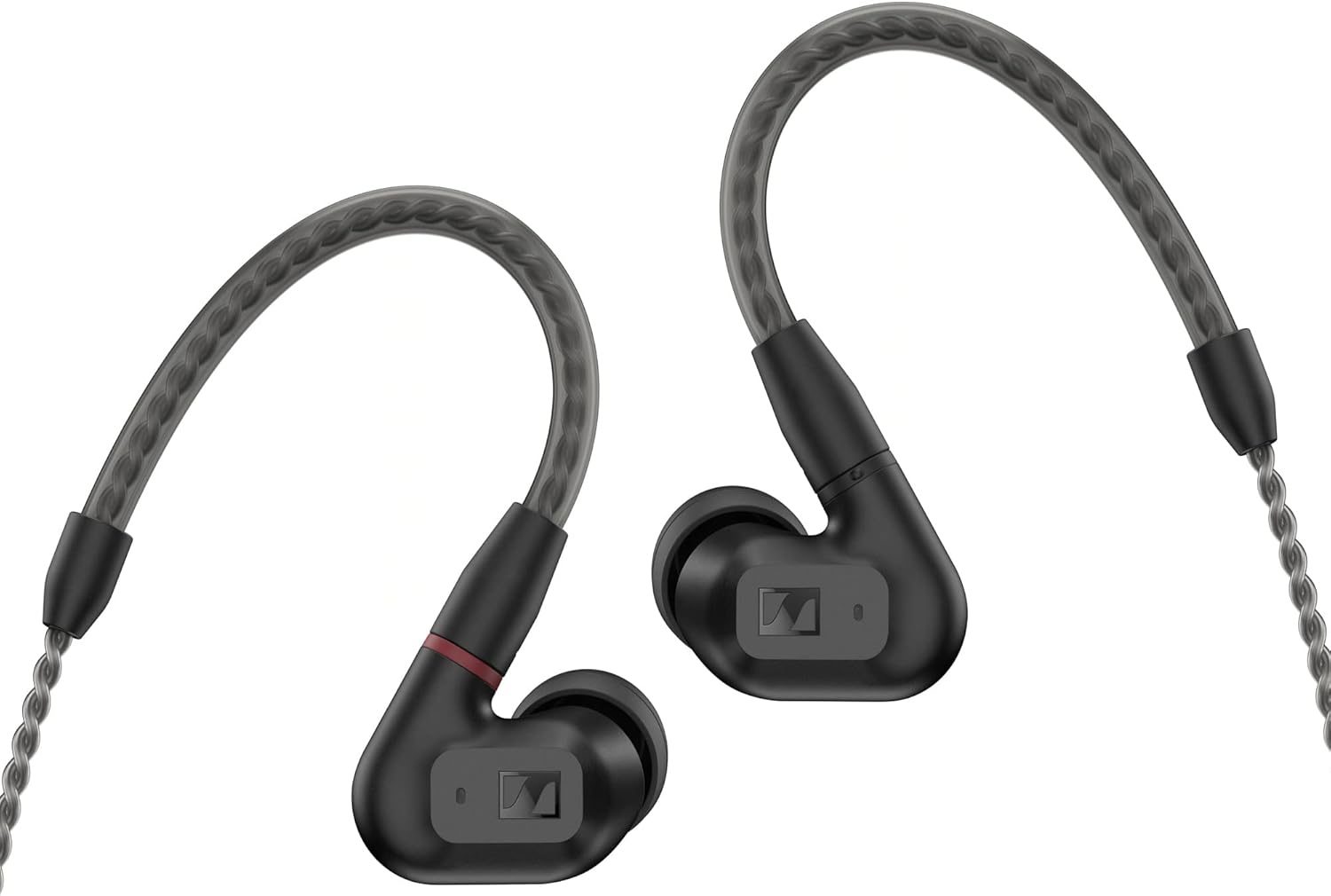
If you want pure, uncolored audio, Sennheiser is the endgame. The IE 200 brings the company’s “true response” transducer tech down to an accessible price point. The magic here is separation; even when a grenade goes off, the bass doesn’t bleed over the treble. You maintain total situational awareness in chaotic firefights, and the minimal, ergonomic shape disappears into your ear canal.
The engine (DACs)
Sound BlasterX G6 Hi-Res Gaming DAC (~$135)
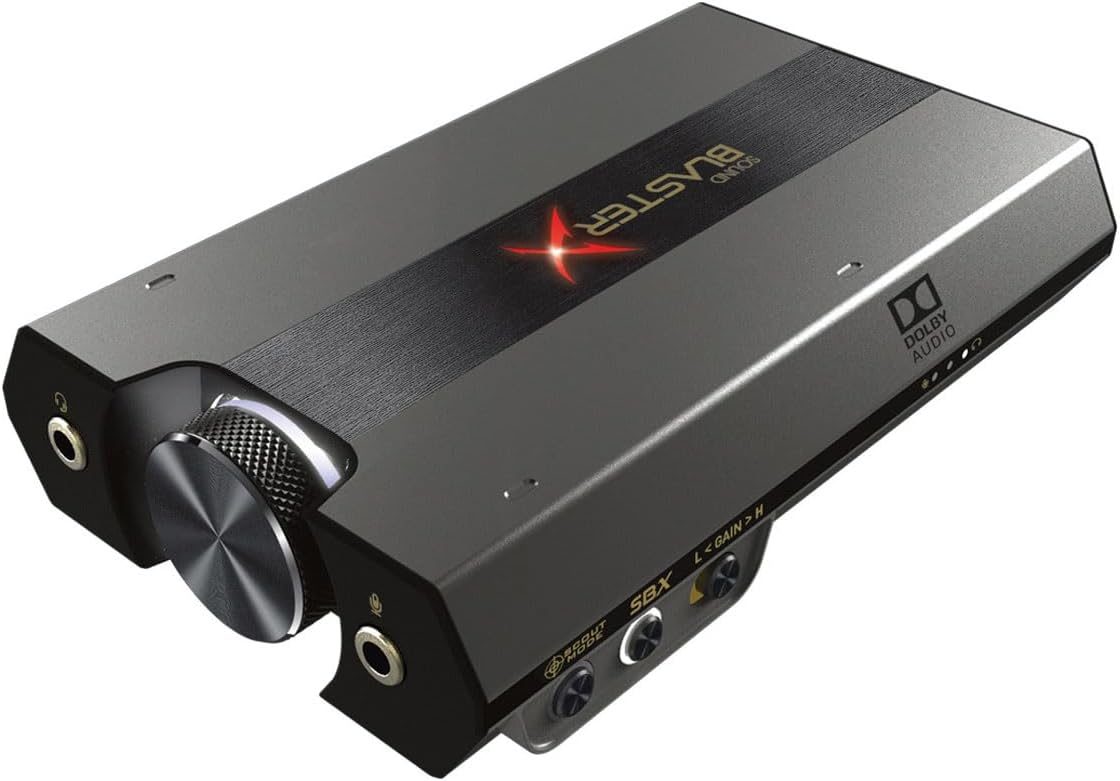
Plugging high-end IEMs into a motherboard jack is like putting racing fuel in a minivan. You need a dedicated engine. The G6 is legendary for its “Scout Mode,” a dedicated algorithm that amplifies specific ambient sounds like footsteps and rustling grass. It drives high-impedance headphones with ease and gives you physical control over your game/chat mix without alt-tabbing.
Fosi Audio Q4 DAC Headphone Amp (~$70)
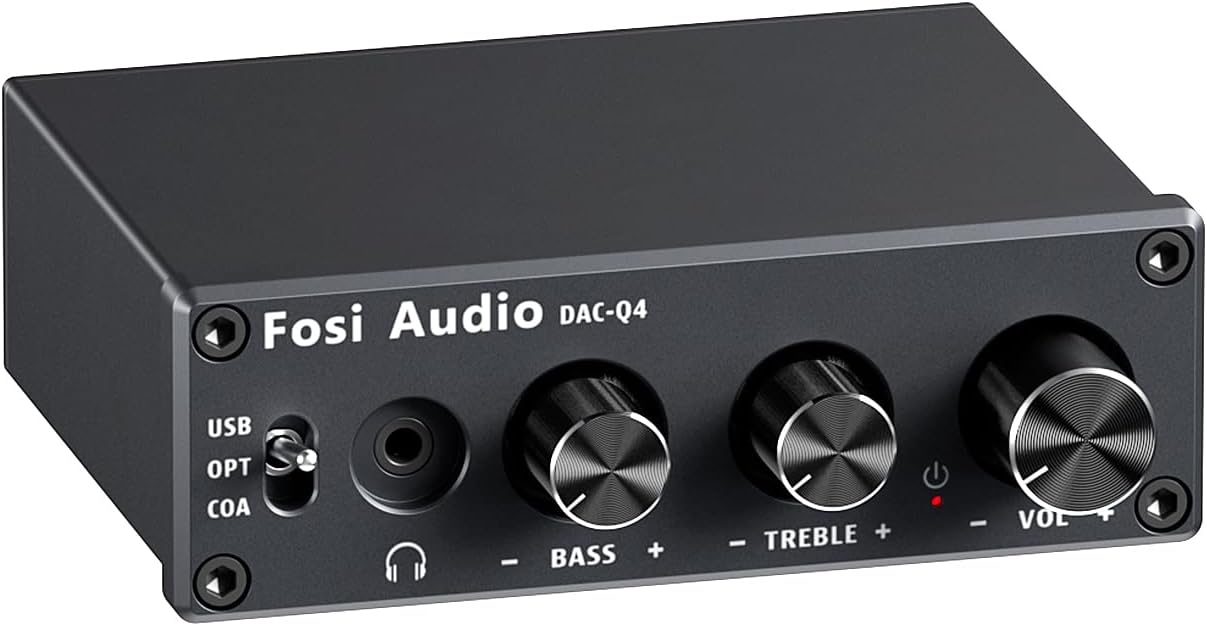
You don’t need RGB lights to get clean audio. The Fosi Audio Q4 is a utilitarian metal brick that does one thing perfectly: it cleans up the dirty electrical signal from your PC and amplifies it. With dedicated bass and treble knobs right on the front, you can manually dial back the low-end rumble to make enemy movements pop out of the mix. It is the best $70 upgrade you can make to your setup.
The bottom line
Stop buying “7.1 surround” headsets that rely on software tricks. The path to better aim is better audio, and that starts with a good pair of IEMs like the Sennheiser IE 200 and a clean power source like the Sound BlasterX G6. Once you hear the map with this level of clarity, you’ll never go back to over-ear cans.