  1. Home
  2. Gaming
  3. How tos

How to get Lattice in Marvel Rivals

Add as a preferred source on Google
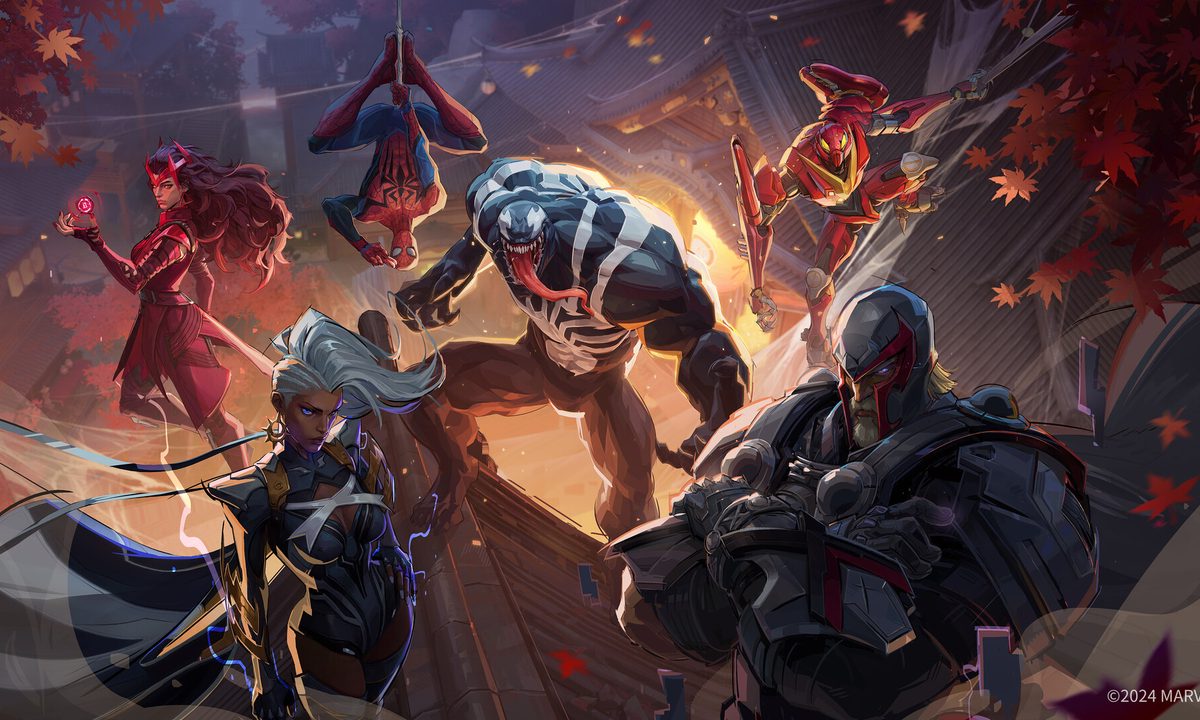
Heroes and villains in Marvel Rivals posing menacingly.
NetEase Games

You can expect almost every free-to-play game like Genshin Impact, Zenless Zone Zero, or Marvel Rivals to have multiple currency types for its monetization. The game needs to make money somehow, right? Since all heroes, maps, and other substantial updates will all be free, that leaves cosmetics that will cost you one of the game’s two forms of cash: Units and Lattice. Lattice is the gold, premium currency that allows you to buy the greatest things in the game, such as the battle pass. Some games give you alternate ways to earn all its currencies, while others force you to open your wallet if you want those goodies. Let’s see how Marvel Rivals handles its premium currency.

How to get Lattice in Marvel Rivals
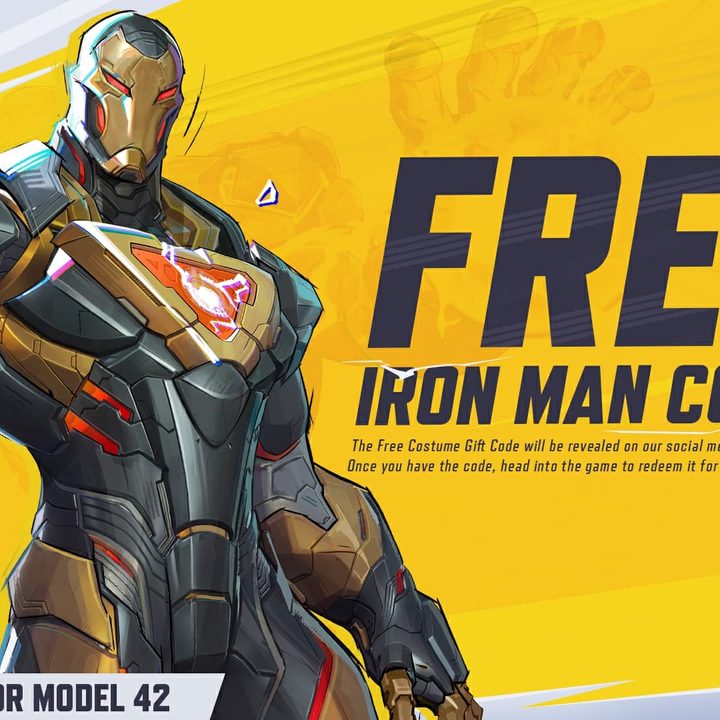
The iron man armor model 42 costume in Marvel Rivals.
NetEase

Lattice, Marvel Rivals‘ premium currency, can be obtained in only two ways. The first is to just purchase it using your real-world cash. Here are the current Lattice bundles you can purchase and how much they cost:

  • 100 Lattice for $1
  • 500 Lattice for $5
  • 1,000 Lattice for $10
  • 2,180 Lattice for $20
  • 5,690 Lattice for $50
  • 11,680 Lattice for $100
Recommended Videos

You only start saving a bit of money on Lattice if you buy more than the $10 bundle at a time, so decide early whether you want to invest in a lump sum or not.

If you want to get the Luxury Battle Pass for Season 0, it will cost you 490 Lattice. However, Season 0 is a shorter season and will be half the cost of a regular one, meaning they will cost approximately 980 Lattice normally.

The other way to earn Lattice is free but unpredictable. The battle pass will reward you with Lattice, but the amount and frequency all depend on that specific season’s battle pass. Odds are you will need to pay real money if you want most or all of the items that require Lattice in a given season.

Jesse Lennox
Former Digital Trends Contributor
Jesse Lennox covers all things gaming but has a specific interest in all things PlayStation, JRPGs, and experimental indies…
Samsung is fixing a long-standing OLED monitor problem, and even rival brands are on board
Samsung's new QuantumBlack film reduces reflections and preserves deep blacks on QD-OLED monitors.
Samsung QuantumBlack featured.

QD-OLED monitors are known for delivering deep blacks by turning off individual pixels completely. In real-world use, though, that advantage doesn't always hold up. Ambient light reflecting off the screen can wash out those blacks, but Samsung now has a solution.

How is Samsung fixing reflections and washed-out blacks on QD-OLED monitors?

Read more
Sony announces price hikes for PS5, PS5 Pro, and PlayStation Portal
Your PS5 dreams just got more expensive
Sony PS5 Pro Shot with Blue Light

Sony has officially announced new price increases across its PlayStation hardware lineup, including the PlayStation 5, PlayStation 5 Pro, and the PlayStation Portal remote player. The changes mark another significant shift in pricing strategy for the company, as rising global costs continue to impact the gaming industry.

A Costly Update Across The PlayStation Ecosystem

Read more
Forza Horizon 6 PC requirements are surprisingly forgiving for a modern AAA game
Your PC might actually run Forza Horizon 6 just fine
Forza

Forza Horizon 6 is shaping up to be a new visual showcase, but its PC requirements tell a different story.

Despite the next-gen graphics, the game sticks to relatively approachable specs, especially for modern AAA games. This is a welcome surprise in a time when new titles often feel like they demand a full system upgrade.

Read more