  1. Home
  2. Gaming
  3. News

Samsung is fixing a long-standing OLED monitor problem, and even rival brands are on board

Samsung's new QuantumBlack film reduces reflections and preserves deep blacks on QD-OLED monitors.

Add as a preferred source on Google
Samsung QuantumBlack featured.
Samsung

QD-OLED monitors are known for delivering deep blacks by turning off individual pixels completely. In real-world use, though, that advantage doesn’t always hold up. Ambient light reflecting off the screen can wash out those blacks, but Samsung now has a solution.

How is Samsung fixing reflections and washed-out blacks on QD-OLED monitors?

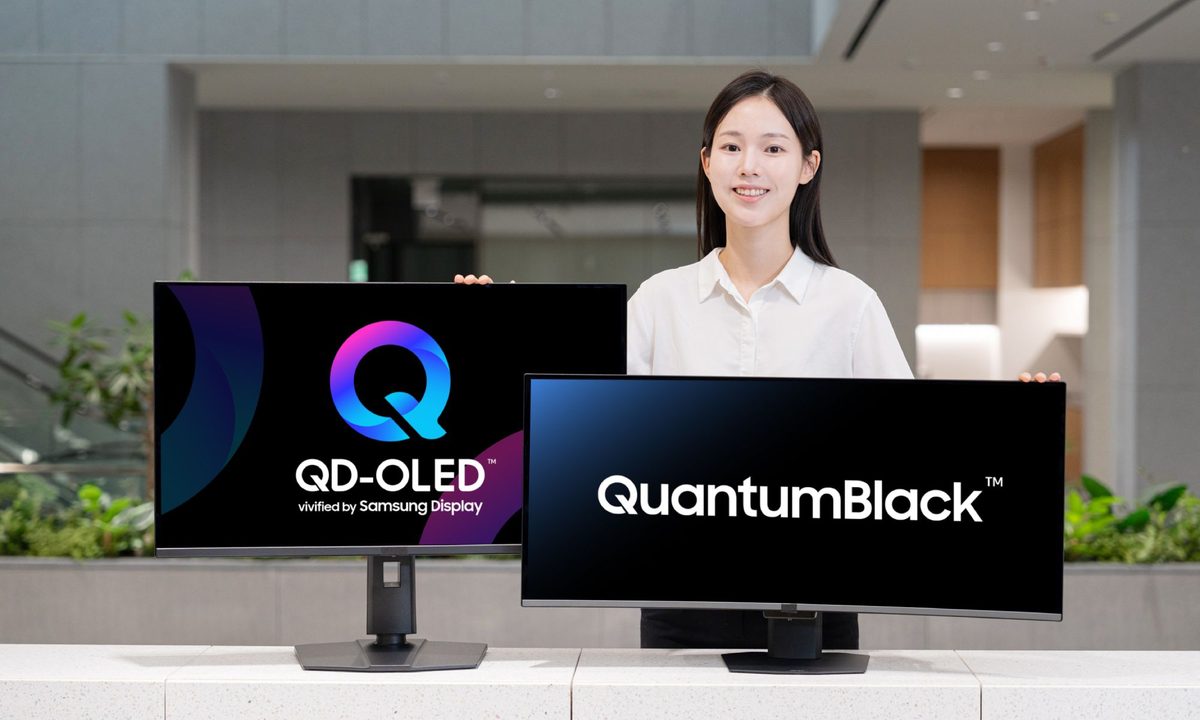
Samsung’s solution for the issue is a new low-reflection film called QuantumBlack. The company says it reduces light reflectance by around 20 percent compared to the company’s previous film, helping preserve contrast and black levels even in brightly-lit rooms.
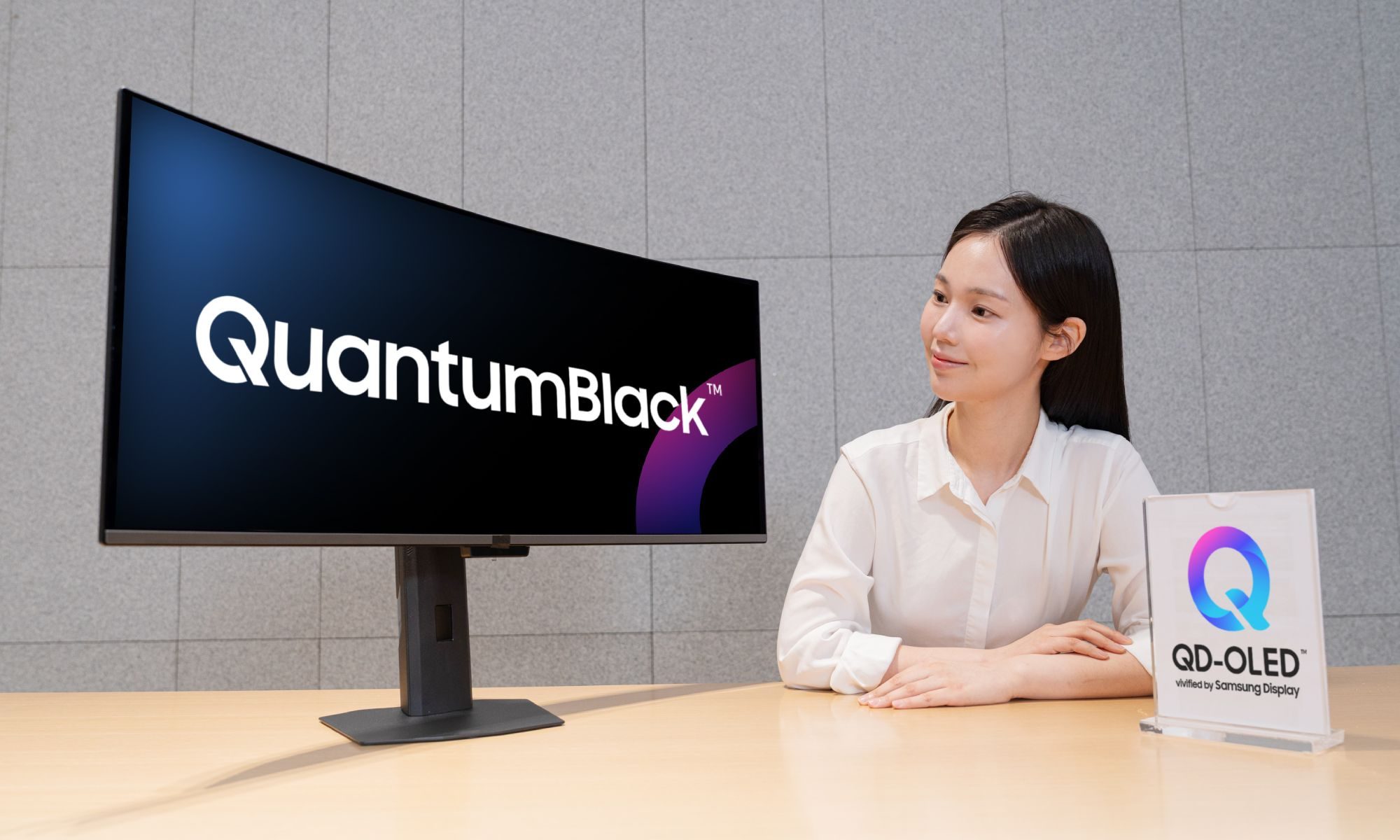
The film also enhances panel durability, with Samsung claiming that it improves surface hardness from 2H to 3H, making panels more resistant to scratches. In short, the QuantumBlack film addresses both visual consistency and long-term durability, two areas where QD-OLED monitors have had minor but noticeable drawbacks.

Recommended Videos

Talking about the development, Brad Jung, VP and Head of the Large Display Marketing team at Samsung Display, said, “QuantumBlack technology is a premium solution that further strengthens QD-OLED’s inherent advantage of delivering deep and perfect black, providing a differentiated level of immersion while also improving panel durability. We will continue to introduce innovative technologies to create new user experiences across gaming and content environments.”

Which brands are adopting the QuantumBlack film?

Since Samsung Display supplies QD-OLED panels to a wide range of manufacturers, the QuantumBlack film won’t be exclusive to the company’s monitors. Brands like Asus, Gigabyte, and MSI have already announced gaming monitors that use the new film, even if they brand it differently.

Asus calls it “Black Shield” on its ROG Swift OLED PG32UCDM Gen3 monitor, while MSI markets it as “Dark Armor” on the MPG 341CQR QD-OLED X36. Gigabyte has also adopted the film across models like the MO34WQC36 and MO32U24, where it goes by “Obsidian Shield”.

Different names aside, the underlying tech remains the same, meaning you can expect similar improvements to reflections and perceived black levels regardless of the brand you choose.

Pranob Mehrotra
Pranob is a seasoned tech journalist with over eight years of experience covering consumer technology. His work has been…
Epic is improving its game launcher with a long overdue speed boost and plenty of new features
Epic Games Store Launcher V2 could finally address years of user complaints
epic games logo

Epic Games has spent years trying to make the Epic Games Store a serious rival to Steam. It has given away free games, signed exclusivity deals, and kept major PC releases such as Borderlands 3, Assassin’s Creed Mirage, and The Lord of the Rings: Return to Moria away from Valve’s storefront at launch. Those moves have helped Epic build an audience, but they have not been enough to seriously threaten Steam’s position as the default PC gaming platform.

One problem has been the launcher itself. Earlier this year, an Epic executive admitted to Eurogamer that the launcher “sucks,” and the company now appears to be working on a much bigger fix. According to slides from an Unreal Fest presentation shared by LuKaOnIndeed on X, Epic is developing Launcher V2, a ground-up rebuild of the Epic Games Store launcher that is supposed to be much faster and easier to use.

Read more
Forget RTX filters. BenQ’s gaming monitor does the pretty stuff itself
BenQ’s AI game filters are what I wanted RTX filters to be
BenQ AI Gaming Monitor Filters

I’ve spent years messing with in-game brightness sliders, GPU filters, HDR modes, and monitor presets to tinker with my experience on my favorite games. Of course, I'd always go with the original artists' intent first, but replaying these titles with new filters does freshen up the atmosphere.

This is why I was particularly impressed by BenQ’s new MOBIUZ gaming monitors. During a recent visit to BenQ’s Taiwan HQ, I got a hands-on look at the company’s latest AI-powered game filter tech, and it immediately made more sense than I expected. The company isn't just slapping on the "AI" sticker onto a gaming display. What you are getting here is custom touches to change up your experience by pulling from BenQ’s game art database that automatically tunes brightness, contrast, and color balance to match the game’s visual style. The fun part is that your performance doesn't take a hit.

Read more
Sony’s wild PSN login patent could turn the DualSense into a security gatekeeper
A newly published filing outlines controller-based sign-ins for PlayStation users, aiming to make stolen accounts harder to exploit.
Geoff Keighley holding DualSense.

Sony has filed a PSN login patent, first spotted by RespawnFirst, that would pull the DualSense controller into the sign-in process. A PlayStation console would start the request, then the controller would help confirm that the account holder is close enough to approve access.

For players, the appeal is easy to see. PSN account abuse can lead to unauthorized purchases, lost access, and attempts to resell established accounts. Sony already offers 2-step verification and passkeys, but this idea adds a hardware check to the login chain.

Read more