1. Home
  2. Gaming
  3. News

Leaks suggest Xbox Cloud Gaming could bring back lost classics

Hidden backend activity hints at a broader push to revive delisted and older Xbox games across cloud and future hardware.

Add as a preferred source on Google
Xbox Cloud Gaming Official
Xbox

Xbox Cloud Gaming leaks are pointing to something players have wanted for years, a way to bring back older titles that quietly disappeared. Activity inside Microsoft’s cloud systems indicates it may be testing how to reintroduce classic releases, including Xbox 360 games, across modern platforms.

Dataminers tracking xCloud spotted several legacy games briefly show up before being removed. These include Aegis Wing, Mars War Logs, and Prince of Persia Sands of Time, each appearing with odd placeholders like incorrect pricing attached.

Recommended Videos

That doesn’t confirm a rollout, but it lines up with Microsoft’s push to expand backward compatibility across consoles, Windows devices, and cloud streaming. The company has shared the goal, though it hasn’t explained how it will actually deliver it yet.

Classic games popping up briefly

The pattern is what stands out. Multiple titles, across different moments, have surfaced inside Xbox Cloud Gaming and then disappeared again. Armed and Dangerous followed the same cycle, reinforcing that this isn’t a one-off glitch.

This happened again, this time with Aegis Wing and Prince of Persia: The Sands of Time. What’s happening 👀?

Meanwhile, Mars: War Logs (X360) got delisted unannounced. https://t.co/2eKp2ZnvvI pic.twitter.com/cwykCPFSFC

— red // Better xCloud (@redphx) April 3, 2026

Temporary listings often show up when companies validate store data or check compatibility across services. In this case, the cloud environment looks like a staging ground for something larger.

What’s different here is where this work is happening. Instead of focusing on consoles, Microsoft appears to be using its cloud stack to prepare these titles for broader access.

Why this matters now

Microsoft still faces a core challenge, how to make its back catalog playable across devices without splitting the experience. Some legacy titles already run on newer consoles, but many remain delisted or tied to older hardware.

Cloud delivery offers a practical workaround. By running games remotely, Microsoft can avoid some hardware limits, but that approach comes with tradeoffs. Streaming introduces latency, and emulation layers may add input delay, especially in faster games.

There’s also a key unknown. Microsoft hasn’t shown how these games will perform across devices or what compromises might be involved.

What to watch next

Timing may matter more than ever. With Xbox’s 25th anniversary approaching, expectations are building around a broader effort to revive classic games. Microsoft’s next console, often referred to as Project Helix and expected as early as 2027, could shape how compatibility evolves.

There are also signs of a business shift. References to a possible Game Pass tier focused on older first party titles suggest Microsoft is thinking about how to package its back catalog more affordably.

Watch the cloud listings closely. If more titles surface, even briefly, it will signal that a broader rollout is getting closer.

Paulo Vargas
Paulo Vargas is an English major turned reporter turned technical writer, with a career that has always circled back to…
Epic is improving its game launcher with a long overdue speed boost and plenty of new features
Epic Games Store Launcher V2 could finally address years of user complaints
epic games logo

Epic Games has spent years trying to make the Epic Games Store a serious rival to Steam. It has given away free games, signed exclusivity deals, and kept major PC releases such as Borderlands 3, Assassin’s Creed Mirage, and The Lord of the Rings: Return to Moria away from Valve’s storefront at launch. Those moves have helped Epic build an audience, but they have not been enough to seriously threaten Steam’s position as the default PC gaming platform.

One problem has been the launcher itself. Earlier this year, an Epic executive admitted to Eurogamer that the launcher “sucks,” and the company now appears to be working on a much bigger fix. According to slides from an Unreal Fest presentation shared by LuKaOnIndeed on X, Epic is developing Launcher V2, a ground-up rebuild of the Epic Games Store launcher that is supposed to be much faster and easier to use.

Read more
Forget RTX filters. BenQ’s gaming monitor does the pretty stuff itself
BenQ’s AI game filters are what I wanted RTX filters to be
BenQ AI Gaming Monitor Filters

I’ve spent years messing with in-game brightness sliders, GPU filters, HDR modes, and monitor presets to tinker with my experience on my favorite games. Of course, I'd always go with the original artists' intent first, but replaying these titles with new filters does freshen up the atmosphere.

This is why I was particularly impressed by BenQ’s new MOBIUZ gaming monitors. During a recent visit to BenQ’s Taiwan HQ, I got a hands-on look at the company’s latest AI-powered game filter tech, and it immediately made more sense than I expected. The company isn't just slapping on the "AI" sticker onto a gaming display. What you are getting here is custom touches to change up your experience by pulling from BenQ’s game art database that automatically tunes brightness, contrast, and color balance to match the game’s visual style. The fun part is that your performance doesn't take a hit.

Read more
Sony’s wild PSN login patent could turn the DualSense into a security gatekeeper
A newly published filing outlines controller-based sign-ins for PlayStation users, aiming to make stolen accounts harder to exploit.
Geoff Keighley holding DualSense.

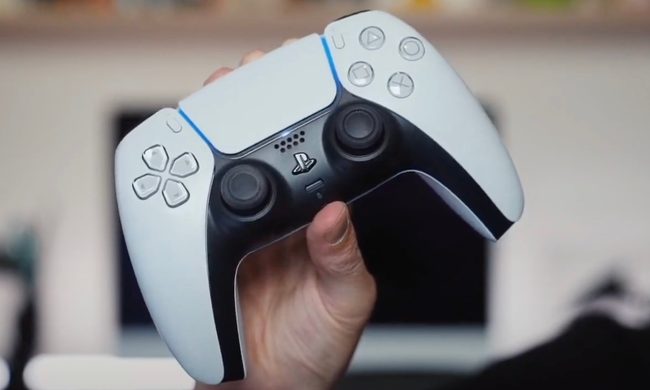
Sony has filed a PSN login patent, first spotted by RespawnFirst, that would pull the DualSense controller into the sign-in process. A PlayStation console would start the request, then the controller would help confirm that the account holder is close enough to approve access.

For players, the appeal is easy to see. PSN account abuse can lead to unauthorized purchases, lost access, and attempts to resell established accounts. Sony already offers 2-step verification and passkeys, but this idea adds a hardware check to the login chain.

Read more