I’ll be the first to admit that I was at first turned off by the idea of “games as a service.” That term refers to the kind of modern games that are meant to be played over a long period of time. Rather than hitting the end credits after a certain number of hours, service games like Destiny 2 feed players a constant drop of new content over time, some of which requires players to pay more.
I was skeptical of that idea initially. I mean, publishers were expecting me to buy a full priced game, only to charge me for more later on? It felt like a scam, and many other people felt the same way, especially because so many service titles tend to launch with little content, gradually fleshing the game out over time with DLC. However, now that a few more attempts have been made at this monetization model, I can confidently say that service games, when done right, are absolutely a positive industry move for players.
No more sequels
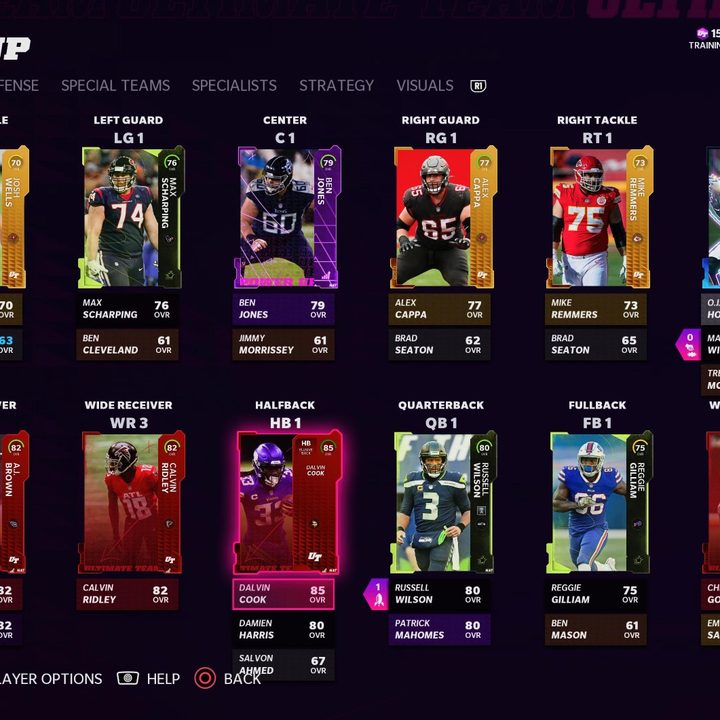
Traditionally, when a game is good, we can expect to get a sequel sometime later on. That time frame varies, but has grown in general as production values in games have increased. Other games, such as sports franchises like Madden, come out every year like clockwork, changing very little between iterations. Despite these minor changes, they’re released as full-priced titles every time. If you want to keep up with all the tweaks, there’s no choice but to plunk down a hard $60 (sometimes $70 now) for what may as well be a roster update. Plus, all those hours you put into that last game, and any extra content you bought for it? Gone.
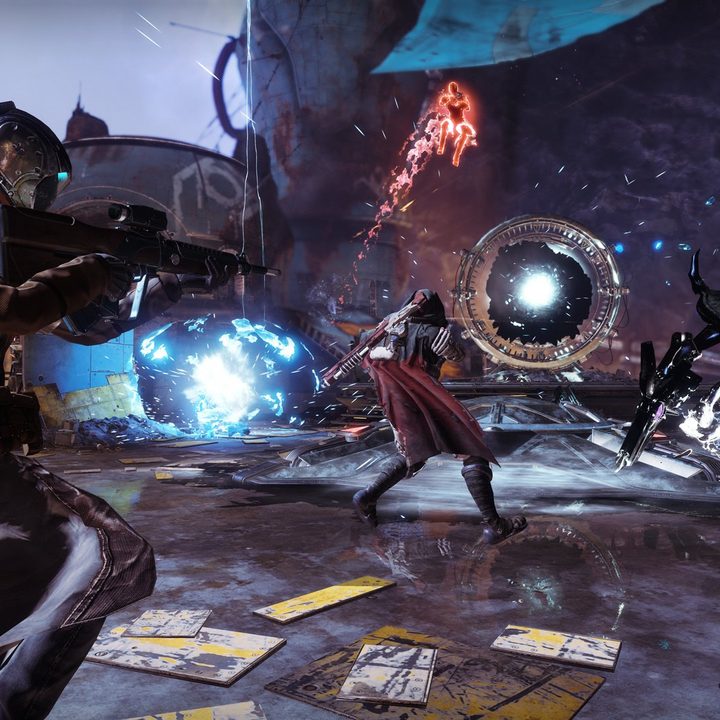
With games as a service, we’re already seeing companies move away from forcing you to buy a new game. Instead, they do the opposite and try to keep players on the same game. The Destiny series is a perfect example. While Activision reportedly wanted a third installment initially, developer Bungie decided to continue supporting Destiny 2 instead. Rather than start from scratch yet again, we got to keep our character, everything we’d earned, and all the content from the game as more was added (though Bungie would later “vault” older content as the game’s file size ballooned).
Looking at another example, Rainbow Six Siege has been going long enough that its roster of playable operators has tripled from its original size. If this game had not been a service, we’d probably be on the third game in the series with half the characters at best and a far smaller player base.
I can’t mention great examples of games as a service without bringing up No Man’s Sky, which might as well have a 3 stuck on the end of the title by now. All its content updates, patches, and expansions have fully reinvented that game. What it was on day one is almost unrecognizable compared to the state of it today, and everyone playing it got to experience those improvements over time, without losing anything they’d done, or spending a dime on a sequel.
Pro-consumer
The term pro-consumer gets thrown around a lot in gaming. Gamers are smart. We know when a game looks like it’s going to rip us off. New service games need to prove that they’re worth investing in, and that our investment is priced correctly. One great move that has almost become standard is how multiplayer content, like maps, is becoming free to all players. That keeps games from splitting their population between those who buy them and those who don’t. Another positive change is that “base” games are often free now. Massive games like FIFA are even toying with the idea of becoming free-to-play and monetizing in other ways.
What are those other ways? The big one is battle passes. Made popular by Fortnite, these come in many different forms, but can be a positive addition for players. To look at a less obvious example, take Marvel’s Avengers. Every character and mission added to the game is totally free, but the special Hero Challenge Cards will cost Credits. Players can earn these through the free battle pass, or purchase them with real money. Even if they pay up for one, they’ll earn back that investment in Credits by the time they complete that battle pass. Those who care for what the battle pass holds, which is usually cosmetic items, will get their investment back just by playing.
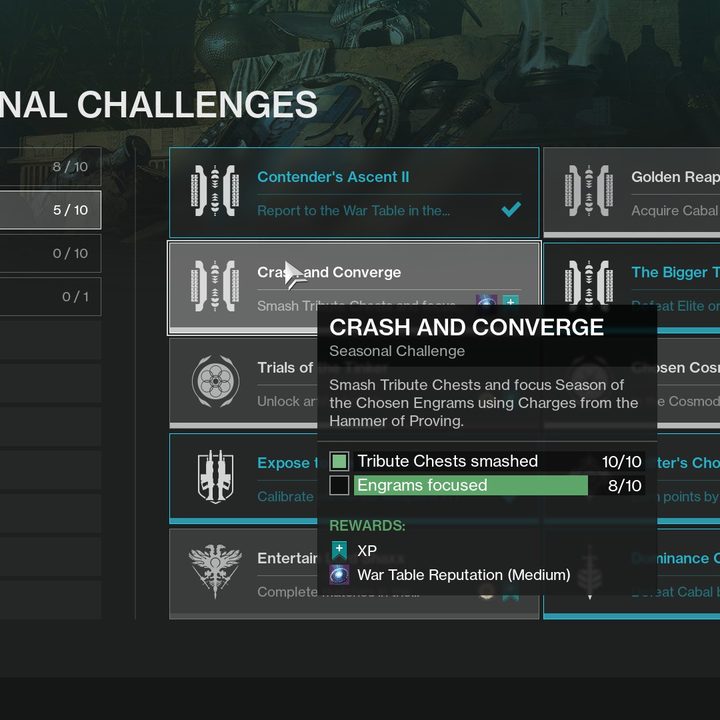
Finally, there are the big expansions. Again, we turn to Destiny 2, and look at its model. Yes, its expansions do cost real cash, but there’s three main points that make it better than the alternative. First is that the base game is free, second is that the expansions are cheaper and more frequent than a sequel would be, and third is that new content can become free later on. Over time, as new expansions are added, older ones get brought in as part of the free experience. That means hardcore players get a mostly consistent feed of new content for less than the price of a new game and casual players can choose to wait until it’s released for free.
Pitfalls
It would be disingenuous to claim games as a service are great for players in every circumstance. There are plenty of ways that companies can exploit these systems to be worse than the traditional model. Battle passes, loot boxes, and the handling of how future content is priced and delivered can all be easily twisted to feel unfair to players. Pay-to-win systems are among the most egregious examples out there that somehow still manage to make it into certain games.
I hate to keep bringing up Destiny 2, but for all it does right, it has also made some big mistakes. From nerfing and outright removing weapons players potentially spent dozens of hours grinding to get, to the news that entire expansions worth of content will be going away, Bungie is in some hot water with its fans — and rightfully so. There’s a social agreement being made when players invest in a games as a service that, so long as the game exists, the content we pay for will always be available to us. Taking anything a player could possibly spend real money on away can break that trust permanently.
We’re still in the experimental age of service games, so it will be a while before the industry finds the right formula. For the most part, we’re seeing the games that do it right rise up and those that don’t fail, which is sending a good message to the industry. Not every game should adopt a service model, such as pure single-player experiences, but this model of game is here to stay. It has all the potential in the world to be a far better model for players than what we’re used to.