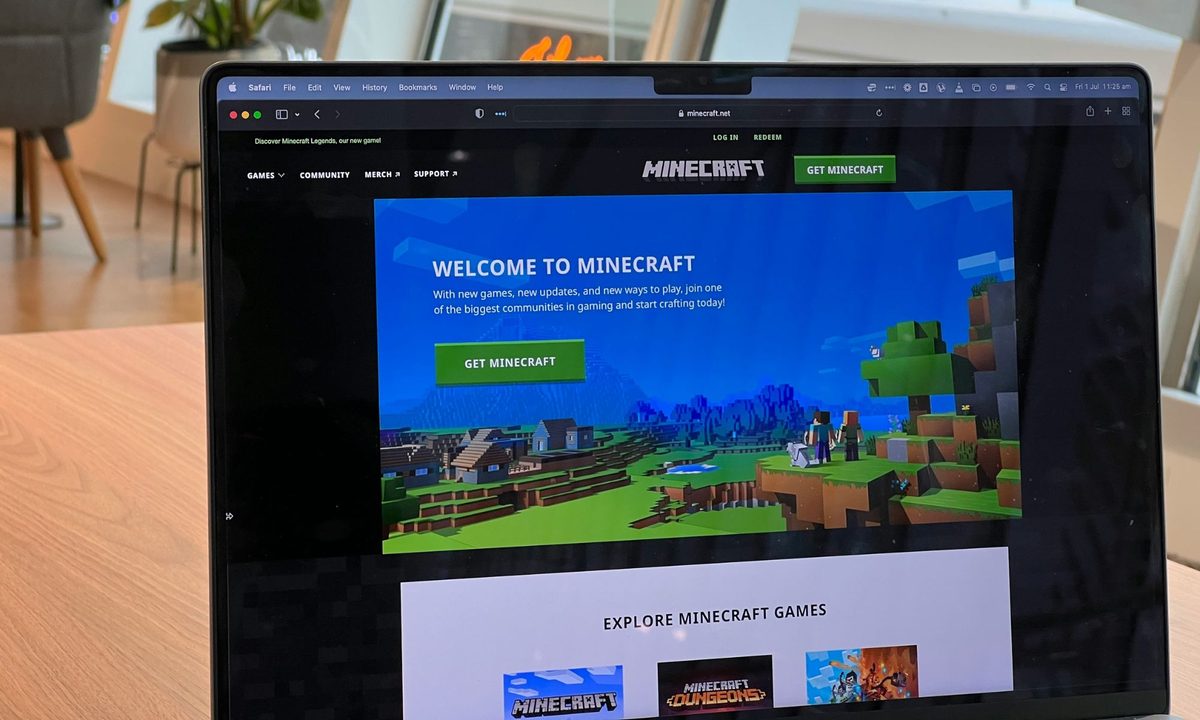
What started as another Minecraft modding campaign has turned into one of the more disturbing malware stories tied to gaming communities this year. Security researchers at McAfee have uncovered a large-scale malware operation called “WeedHack” that reportedly infected more than 116,000 devices, primarily targeting Minecraft players through fake mods, cheats, cracked software, and community tools.
But unlike many traditional malware campaigns focused purely on stealing passwords or crypto wallets, this one appears to have crossed into harassment, cyberbullying, and invasive surveillance.
According to McAfee’s research, the campaign was allegedly operated by a teenager and relied heavily on Discord, Minecraft communities, and social engineering tactics to spread malicious files disguised as popular game-related downloads.
A malware campaign built around Minecraft communities
Researchers say WeedHack spread through malicious Minecraft mods, cheats, installers, macros, and pirated tools shared across Discord servers and gaming forums. Victims believed they were downloading performance mods or gameplay enhancements, but instead installed malware capable of stealing personal information and remotely accessing systems.
The malware reportedly harvested browser credentials, Discord tokens, crypto wallet information, screenshots, and personal files. In some cases, infected users were allegedly blackmailed, harassed, or publicly humiliated using stolen private information.
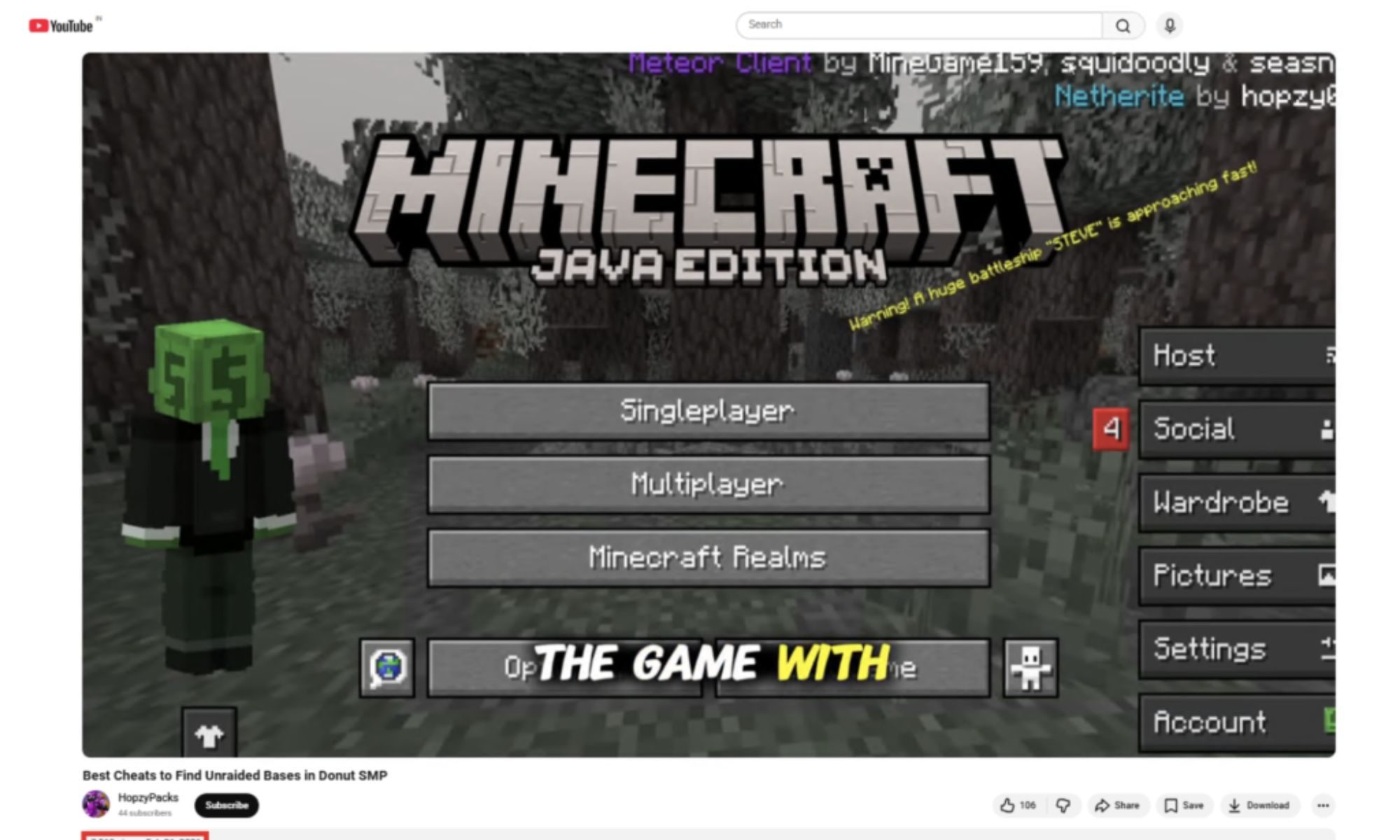
McAfee says the operation relied heavily on young gamers trusting files shared within online communities. Minecraft remains one of the world’s largest gaming ecosystems, with millions of active players and an enormous modding culture that frequently involves downloading third-party software from unofficial sources.
That openness created an ideal environment for the malware campaign to spread rapidly.
The report also highlights how modern malware operations are increasingly blending cybercrime with online harassment culture. Researchers say some victims experienced targeted bullying and intimidation after infection, making the campaign more invasive than typical, financially motivated attacks.
The malware reportedly evolved constantly to avoid antivirus detection, with operators updating payloads and distribution methods across multiple platforms.
Why this campaign is particularly concerning
Gaming communities have increasingly become major targets for cybercriminals because younger users often install unofficial files more casually than enterprise users or experienced professionals.
Minecraft, in particular, has one of the largest user-generated content ecosystems in gaming, making it extremely difficult for players to distinguish safe mods from malicious downloads.

The scale of the WeedHack campaign also shows how accessible cybercrime tools have become. Researchers suggest the operation did not require sophisticated state-backed infrastructure or advanced hacking resources to infect over 116,000 devices globally.
More importantly, the campaign highlights how malware is evolving beyond simple financial theft. Cybercriminals are increasingly weaponizing personal information, Discord access, screenshots, and online identities for harassment and social manipulation.
What players should do
McAfee recommends Minecraft players avoid downloading mods, cheats, or cracked software from unofficial Discord servers or unknown sources. Users are also advised to enable multi-factor authentication, regularly scan devices for malware, and avoid reusing passwords across gaming platforms.
The report also serves as a reminder that gaming platforms are no longer isolated from broader cybersecurity threats. Online gaming communities now function much like social networks – and increasingly face the same risks tied to scams, surveillance, account theft, and coordinated abuse.
For Minecraft players, the bigger lesson is uncomfortable but increasingly important: the biggest danger online may no longer be the creepers inside the game, but the files being downloaded outside of it.