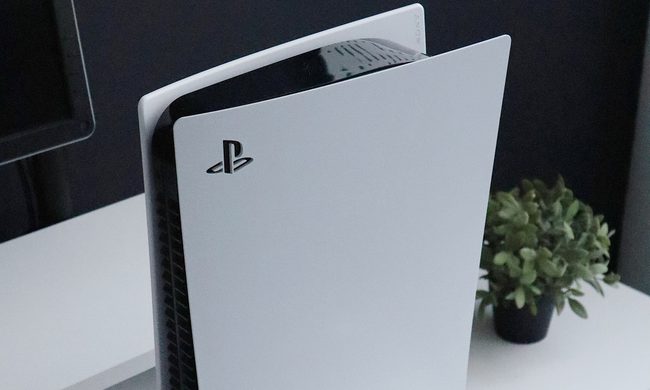
While yesterday’s PlayStation 5 launch announcement marked an exciting moment for the future of gaming, Nintendo quietly put an end to the era of dedicated, portable gaming devices. The company confirmed that it has discontinued production of the Nintendo 3DS family of handhelds.
On paper, the decision is a no-brainer. The Nintendo Switch is a massive success for the company, bringing the worlds of console and handheld gaming together. While Nintendo maintained its position that the Switch was not a replacement for the 3DS over the years — reiterating that point last year when the Switch Lite launched — it had become increasingly clear that the 3DS was outdated within Nintendo’s new strategy.
Though portable gaming is still alive and well, as evidenced by Switch data that shows players tend to use the system more in handheld mode, the Nintendo 3DS was the last of its breed. It was a dedicated portable device that featured games designed for handheld play that were exclusive to the hardware. The portable-only Switch Lite, on the other hand, plays the same games that Switch owners can enjoy on a television.
Despite being a foregone conclusion, the end of the Nintendo 3DS marks a significant moment in gaming history. Since the Game Boy launched in 1989, video games have been divided into two separate experiences — home and portable.
Nintendo always held a firm grip on the latter, with little challenge from the industry. Sony briefly tried to compete with the PlayStation Portable, but the Nintendo DS dominated sales charts to the tune of 154 million units sold. While the 3DS only moved 76 million units by comparison, that still towers over the PlayStation Vita’s estimated 10 million to 15 million.

Even with sustained success, the end of the dedicated handheld era has been on the horizon for the past decade. The rise of smartphone technology has made gaming on a phone a more viable option, while the idea of stuffing an extra clamshell device into a free pocket became more archaic. The Switch is as much a convenience as it is a necessity for Nintendo to remain innovative in a more competitive portable space.
The end of the 3DS may close one chapter of history, but it also paves the way for the next. Portable gaming is in the process of a drastic revamp thanks to cloud gaming. Google Stadia tested the waters by bringing console-quality games to mobile devices, but the industry could be on the brink of a seismic shift thanks to Project xCloud. Microsoft’s own service, which is now bundled into Game Pass Ultimate subscriptions, lets players play hundreds of Xbox games on the go.
Project xCloud finally blurs the line between the console and handheld experience, removing the idea that they are fundamentally different. The future of gaming is not about having separate games designed for different platforms, but giving players more flexibility to play any game in a way that suits their style.
Portability isn’t going away any time soon. It’s just evolving past the dedicated portable consoles that Nintendo pioneered. The Nintendo 3DS was the last hurrah of an exciting era where playing a video game on the go felt like cheating. It only serves as a testament to gaming’s growth that what once was novel is now normal.