1. Home
  2. Gaming
  3. Mobile
  4. Legacy Archives

Nvidia’s Project Shield handheld takes PC games on the go

Add as a preferred source on Google
Nvidia Project Shield
Image used with permission by copyright holder

After spending the majority of its CES 2013 press conference talking about how its Tegra 4 processor would make mobile devices more universal, Nvidia surprised the crowd by revealing a product with a very specific focus: mobile gaming. Project Shield, or “Thor” as Nvidia president Jen-Hsun Huang mistakenly called it, attempts to get a handle on Android gaming with a game controller and attached 5-inch screen.

Powered by the aforementioned Tegra 4, Project Shield is intended to play console-quality games. Shield runs entirely on Android and will be capable of running apps from the Google Play Store. The 5-inch display is a multitouch screen, displaying games in 720p. If you’d rather not play on that attached screen because you’ve got a bigger screen available (a 4k television was used during the press conference), Shield can push video to external displays over HDMI. The 38-Watt-hour battery should deliver 5 to 10 hours of gaming, or stream high-definition video for up to 24 hours.

Recommended Videos

Besides playing Android games, Project Shield will also stream game from GeForce-equipped PCs to the controller, like a personal version of OnLive. The streaming feature will give gamers access to all of their PC games, including those housed in their Steam libraries, making it possible to game on the go. Owning this device will essentially guarantee that you won’t ever get anything done while traveling ever again.

The device also includes a sound-processing system Nvidia promises will rival the quality of laptops using Beats Audio, and a microSD card expansion slot. The controller, which bares a striking resemblance to an Xbox 360 controller, features a D-Pad and dual control sticks for movement, action buttons, and bumpers laid out on a clamshell design. Nvidia has not yet discussed pricing or availability for Project Shield.

AJ Dellinger
AJ Dellinger is a freelance reporter from Madison, Wisconsin with an affinity for all things tech. He has been published by…
Epic is improving its game launcher with a long overdue speed boost and plenty of new features
Epic Games Store Launcher V2 could finally address years of user complaints
epic games logo

Epic Games has spent years trying to make the Epic Games Store a serious rival to Steam. It has given away free games, signed exclusivity deals, and kept major PC releases such as Borderlands 3, Assassin’s Creed Mirage, and The Lord of the Rings: Return to Moria away from Valve’s storefront at launch. Those moves have helped Epic build an audience, but they have not been enough to seriously threaten Steam’s position as the default PC gaming platform.

One problem has been the launcher itself. Earlier this year, an Epic executive admitted to Eurogamer that the launcher “sucks,” and the company now appears to be working on a much bigger fix. According to slides from an Unreal Fest presentation shared by LuKaOnIndeed on X, Epic is developing Launcher V2, a ground-up rebuild of the Epic Games Store launcher that is supposed to be much faster and easier to use.

Read more
Forget RTX filters. BenQ’s gaming monitor does the pretty stuff itself
BenQ’s AI game filters are what I wanted RTX filters to be
BenQ AI Gaming Monitor Filters

I’ve spent years messing with in-game brightness sliders, GPU filters, HDR modes, and monitor presets to tinker with my experience on my favorite games. Of course, I'd always go with the original artists' intent first, but replaying these titles with new filters does freshen up the atmosphere.

This is why I was particularly impressed by BenQ’s new MOBIUZ gaming monitors. During a recent visit to BenQ’s Taiwan HQ, I got a hands-on look at the company’s latest AI-powered game filter tech, and it immediately made more sense than I expected. The company isn't just slapping on the "AI" sticker onto a gaming display. What you are getting here is custom touches to change up your experience by pulling from BenQ’s game art database that automatically tunes brightness, contrast, and color balance to match the game’s visual style. The fun part is that your performance doesn't take a hit.

Read more
Sony’s wild PSN login patent could turn the DualSense into a security gatekeeper
A newly published filing outlines controller-based sign-ins for PlayStation users, aiming to make stolen accounts harder to exploit.
Geoff Keighley holding DualSense.

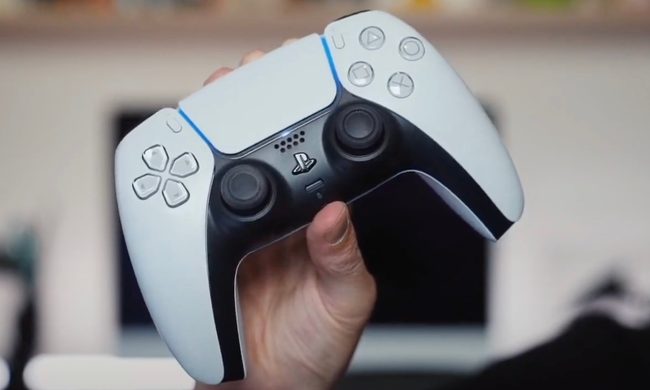
Sony has filed a PSN login patent, first spotted by RespawnFirst, that would pull the DualSense controller into the sign-in process. A PlayStation console would start the request, then the controller would help confirm that the account holder is close enough to approve access.

For players, the appeal is easy to see. PSN account abuse can lead to unauthorized purchases, lost access, and attempts to resell established accounts. Sony already offers 2-step verification and passkeys, but this idea adds a hardware check to the login chain.

Read more