
After months of behind-the-scenes movement, NFTs are finally making their way into mainstream video games — whether you want them or not.
Ubisoft has revealed the first step in its vision for NFTs via Ubisoft Quartz, a new program launched in beta. For its first implementation of the project, players will be able to acquire cosmetic items, dubbed Digits, in Ghost Recon: Breakpoint. These “limited edition” items have a serial number engraved into them, which makes them “unique.” A video accompanying the announcement also notes that the items “remember their owner’s name,” implying that those who get a free item or buy one later actually own it.
If you’re new to the world of NFTs, you’re probably wondering: “How is this any different from buying a skin in Fortnite?” Your confusion is legitimate. In its current form, Ubisoft Quartz doesn’t actually deliver the utopian pitch that NFT evangelists have constructed. Instead, it’s just a new spin on one of gaming’s most hated features.
OK, what even is an NFT?
For those who have avoided the tech entirely, allow me to give you a simplified “NFTs for Dummies” lesson. An NFT is essentially a digital asset that can be bought via cryptocurrency. It can be anything from a simple collectible to a full-scale virtual art project . The whole idea is that you actually own whatever you’re buying, which isn’t always true of digital assets. That means you could sell your NFT and make a profit off it, if you so choose.
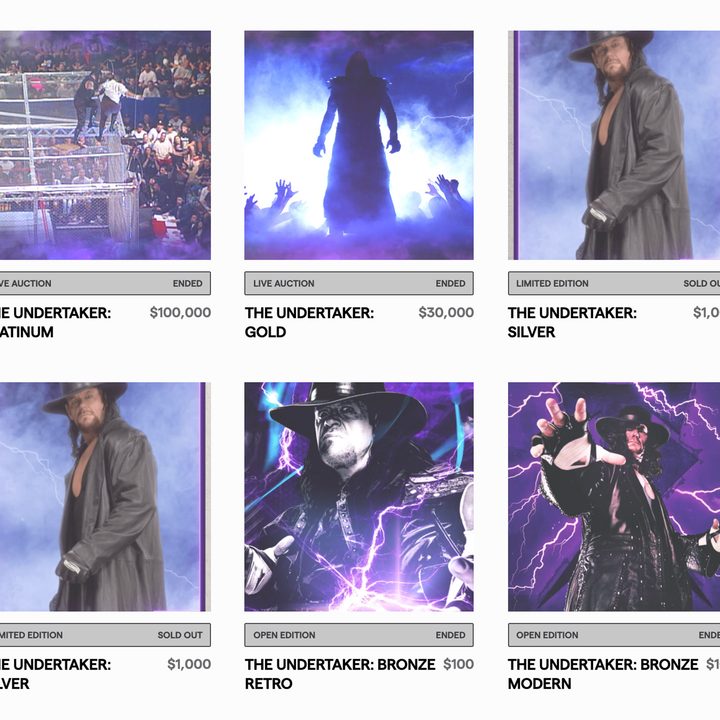
NFTs intersect with the video game world. At the moment, you can play any number of blockchain games, which utilize NFTs. Many of these games revolve around buying assets that can be used in game and even sold to other players for exorbitant prices. Some aren’t so much games as they are ways to mine cryptocurrency or make money by selling assets, which has resulted in their “play-to-earn” label.
It’s not a new concept. Diablo 3 let players sell items via its auction house and other games have tried similar experiments. But most major games don’t give players the option to do that. If you buy a skin in Fortnite, there’s no way to sell it. It’s yours to equip, so long as Fortnite’s servers stay up. In the grand vision of NFTs, players would have actual ownership over items they buy, even after a game shuts down. So, one could theoretically take their Fortnite skin to another game, if its developers make that possible.
All of this is hypothetical and comes with an “if” in 100-point font. For NFTs to reach their full potential in gaming, every game maker would need to get on board and make it possible for players to carry over their items between games. It’s a utopian vision of the gaming world that would require everyone to come around the campfire and sing Kumbaya.
Reality check
Ubisoft Quartz is our first hint that the reality of NFT video games is much, much different than that. With this first implementation, players can simply claim a trio of free cosmetics that can be used in Ghost Recon: Breakpoint exclusively. Digital Trends reached out to Ubisoft on the subject, which confirmed that, “right now, we’re only launching Ubisoft Quartz for Ghost Recon Breakpoint players via Ubisoft Connect on Windows PC.”
Players can sell them, but Digits won’t fulfill the grander aspirations of NFTs in their initial state. Ubisoft notes that this is “only the beginning” for the project, but it’s safe to expect that the next step will be bringing the same idea to games like Rainbow Six Extraction. Ubisoft notes that it’ll have more to share on the service “at a later date.”
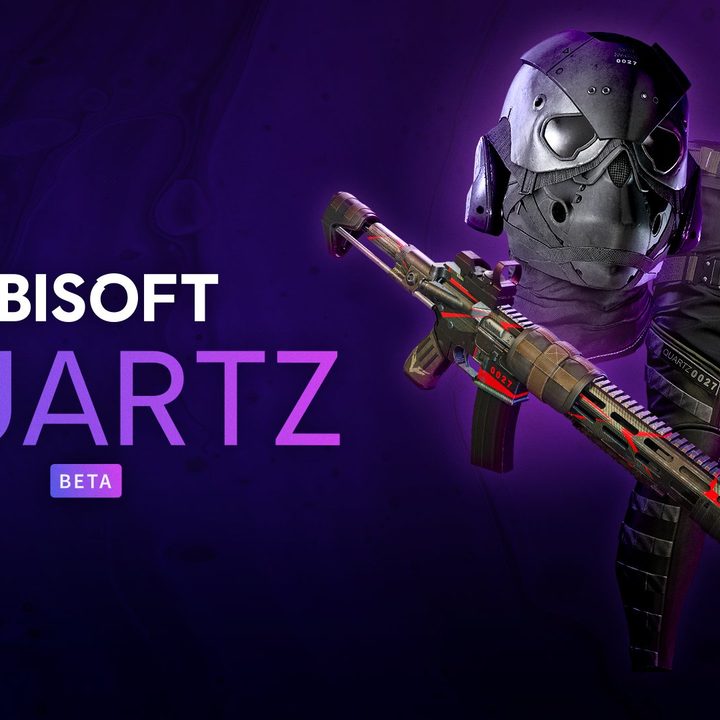
The project leaves more questions than answers. How is this any different from buying a Fortnite skin? Isn’t this just a normal microtransaction, but potentially pricier and with artificial scarcity? If there’s no use for the asset beyond Breakpoint, is it really an NFT at all?
That last question is the most pressing one of the bunch. If you were skeptical of the harmonious scenario I outlined for NFT gaming earlier, I don’t blame you. NFT die-hards have a convincing elevator pitch, but the logistics of that vision are more complicated. It’s impossible to believe that Ubisoft would sell you a gun in Ghost Recon and Square Enix would allow you to import it into Final Fantasy XIV. Even if the world welcomed the polarizing tech with open arms, there would have to be limits to its functionality.
Instead, Ubisoft Quartz shows us what companies are actually interested in: A new way to make a quick buck. Digits are microtransactions with a longer FAQ page. It’s the exact same function as buying an armor color in Halo Infinite, but you’ll need to use cryptocurrency to do it and likely spend much more money. The uniqueness of the items is questionable as well. Players can currently get a gun skin, helmet, and pants, but they’ll be basically identical to anyone else’s. The only difference is that they’ll have a small serial number on them to set them apart. There’s nothing stopping Ubisoft from just doing the same thing with its normal microtransactions.
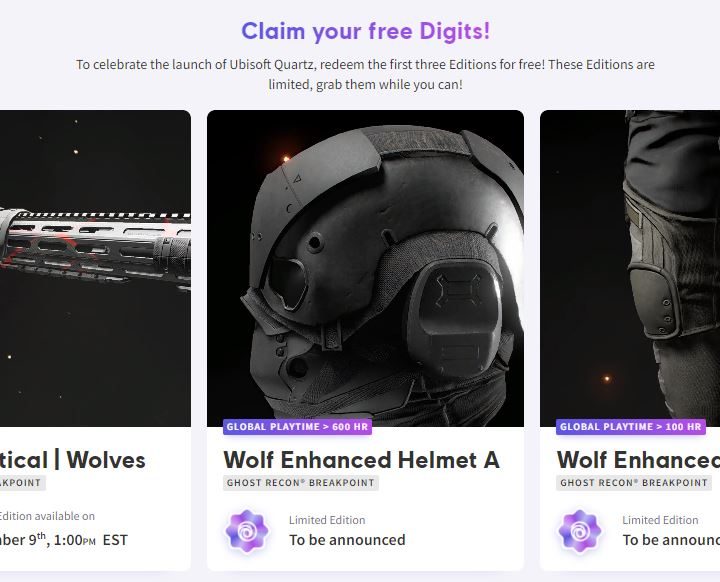
Ubisoft’s vague pitch is that it’ll let players form a “greater connection” with the games they love, but it’s not a convincing argument. You can already customize your character in Breakpoint. What’s different about equipping more expensive gray pants that feature a number you’ll likely never see in-game? If Ubisoft can’t produce an answer to that question, it’s hard to see why most people will care.
NFTs solve a problem that most players don’t have. Your average player doesn’t care if they actually own their in-game cosmetics or not. They just want to express themselves in a game they like. They can already do that without opening a crypto wallet. Without the promise of purchased assets being transferable, it’s simply a different version of a system gamers are already critical of. They’re microtransactions on a macro level.
Ubisoft Quartz feels like a way to capitalize on a trend while it’s hot and make some quick cash without actually engaging with the tech’s nuances. Don’t expect anything more: That’s likely going to be what mainstream gaming NFTs are going to look like across the board. It’s not groundbreaking; it’s just another way to fish for the few whales who have boatloads of cash to spend.


