What’s happened? In a rare, deeply technical interview, Valve has revealed that it has been funding and guiding major open-source projects to make Windows PC games run properly on ARM chips. For those of you unaware, ARM is the architecture that powers phones, tablets, and many low-power devices, and Valve believes it could unlock a whole new future for Steam beyond traditional PCs and handhelds. The interview conducted by The Verge shows that this is not a side experiment but a long-term strategy that has been quietly building for years. Valve has also been quietly funding Windows-on-ARM gaming projects and encouraging broader industry support, even beyond Linux and SteamOS environments.
- Valve has been heavily backing FEX, an open-source Windows-on-ARM compatibility layer similar to Proton.
- The goal is to let x86 Windows PC games run natively on ARM hardware without developers having to redo their work.
- This same tech already powers parts of the Steam Deck ecosystem through Proton and Linux translation layers.
- Valve explicitly discussed phones and lower-power ARM devices as an eventual target for PC gaming.
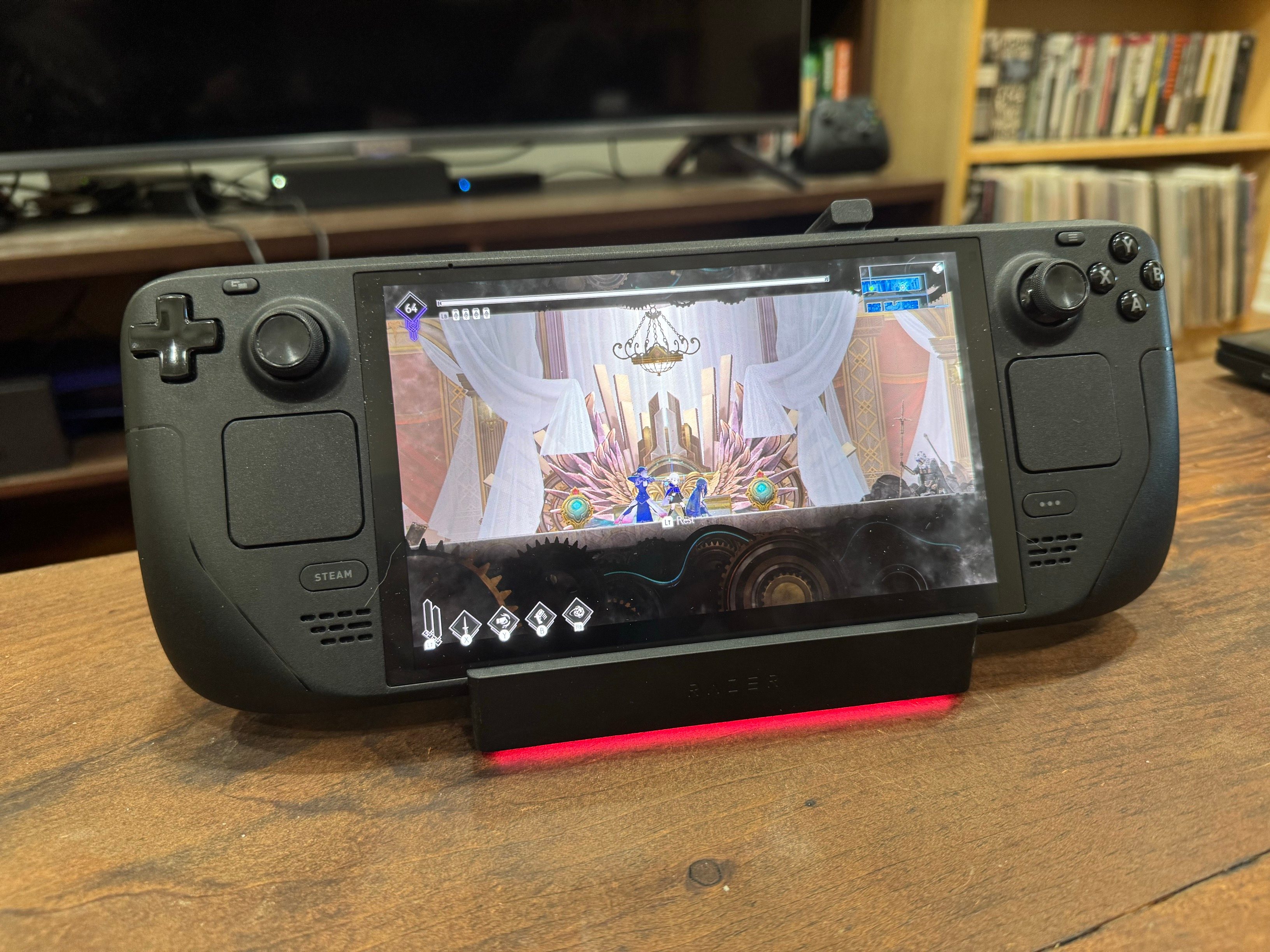
Why this is important: This is the clearest signal yet that Valve is thinking far beyond just the Steam Deck. If Windows PC games can reliably run on ARM, then the same games you play on desktop and handheld could one day run on phones, tablets, low-power laptops, and future hybrid devices with far better battery life and thermals. It’s kind of like what Netflix is doing with bringing PC games to your phone, except that this wouldn’t require any extra effort from the developers.
It also changes the industry math. Today, PC gaming is tightly tied to x86 chips from Intel and AMD. A functional ARM gaming layer opens the door to Qualcomm, MediaTek, Apple-class silicon, and future custom gaming chips. That means cheaper hardware options, fanless designs, and possibly entirely new kinds of portable gaming devices. What’s more is that this is not a cloud-gaming shortcut. Valve’s approach is about running games locally on the device itself. That preserves Steam’s core strength: ownership, offline play, mods, low-latency input, and full fidelity gaming without depending on internet quality.

Why should I care? Eventually, this is how your Steam library could escape your desk and your handheld and land directly in your pocket. If Valve’s ARM push succeeds, you would not need a gaming laptop, a dedicated handheld, or cloud streaming to play PC games on mobile-class hardware. Your phone, tablet, or future pocket console could become a true local PC gaming device, not a streaming client.
It also means battery life, heat, and portability could finally stop being the trade-offs that shrink PC gaming on the go. ARM chips are built for efficiency first. If Valve gets this right, future Steam hardware, or even third-party ARM devices, could run full PC games for hours without sounding like a jet engine. For anyone who games on a commute, on a couch, or away from a power socket, that is a very real quality-of-life upgrade.

Okay, so what’s next? Of course, one shouldn’t expect a “Steam Phone” announcement anytime soon. Valve has made it clear this is long-game infrastructure work, not a short-term product play. The next real signs will likely show up quietly, in Proton updates, SteamOS improvements, and ARM compatibility breakthroughs long before any consumer device appears. Nonetheless, what this news has done is ensure that the future of gaming seems promising, especially since the rising prices of RAM and SSD mean you won’t be building a gaming PC anytime soon anyway.