
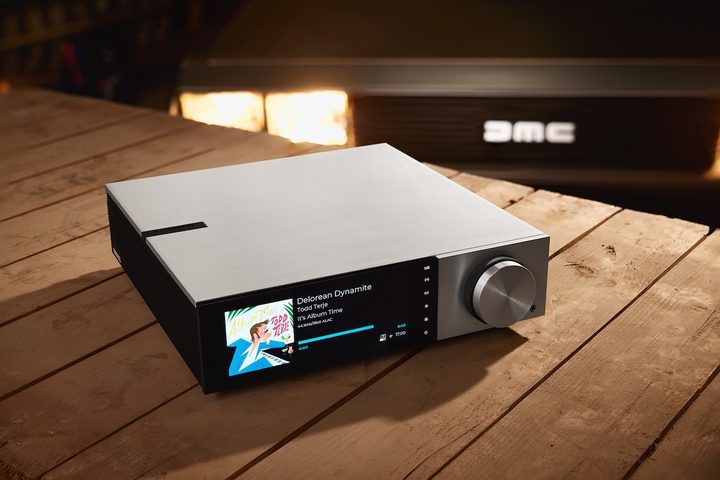
Pioneering British hi-fi maker Cambridge Audio has just unveiled a special edition of one of its most popular integrated amplifier/network player combos that would make Marty McFly proud. The Evo 150 DeLorean Edition is available today for $3,199, and it celebrates the partnership of the two iconic companies with a brushed steel look that pays homage to the famous DMC-12 sports car and its new EV.
“The way I see it, if you’re gonna build a sound system into a car, why not do it with some style?” OK, so that’s not quite what Doc Brown said in Back to the Future. But car enthusiasts following the release of DeLorean’s new electric sports car, the Alpha5, which is said to be coming later this year, will immediately know that its in-car system has been designed by Cambridge Audio, which signed on as the DeLorean Motor Company’s official audio partner in 2022. As the car’s launch nears, the Evo 150 DeLorean Edition marks the first Cambridge product to bear DeLorean’s influence.


- 1. The DeLorean DMC-12
- 2. The DeLorean Alpha5
The special-edition Evo 150 integrated amplifier and network music streamer combination comes with two interchangeable magnetic body kits — one that bears the classic 80s DMC logo and black grille of the gullwing-doored Back to the Future car, and one with the all brushed-steel paneling and modern DeLorean logo of the Alpha5.
And if that isn’t retro enough for you, Cambridge Audio also announced today that its entire Evo range will be getting an over-the-air software update in May that brings classic live VU meters to the Evo’s 6.8-inch LCD screen. Don’t worry, though, the screen still has all of its other functions, such as displaying album artwork.
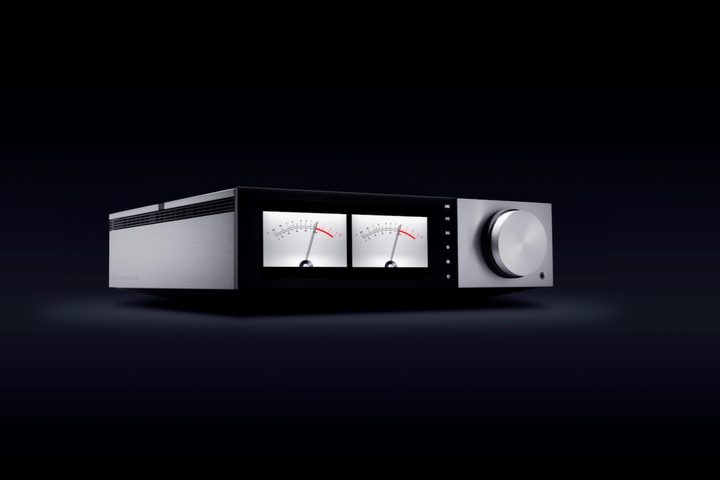
The award-winning all-in-one integrated amplifier and network player is a top-tier hi-fi unit that features 150 watts per channel of power (not 1.21 Gigawatts, thankfully) flowing to your speakers, the same high-quality ESS SABRE ES9018k2m Reference DAC (digital to analog converter), and a built-in moving magnet (MM) phono input for connecting a turntable.
Cambridge Audio’s excellent StreamMagic Gen 4 platform controls things nicely, wrangling all your streaming music services, and Bluetooth aptX HD means that you also get hi-res playback from compatible devices. Plus, if you’re looking for a multi-room music setup, the Evo 150 (and its less powerful and less expensive sibling, the Evo 75) are compatible with with Google Home, Apple Airplay, and Roon multiroom systems.


“From Day One, the relationship between our two brands has been fueled by a bold attitude and an emotional connection to the music we all love,” says James Johnson-Flint, owner of Cambridge Audio. “DeLorean evokes genuine passion, and mirrors Cambridge’s approach to music in everything it does. This special edition of one of our most loved products reveals the bare bones of the Evo 150 in all its glory and reflects the design attributes that have made DeLorean iconic.”
“We are super-excited to continue our partnership with Cambridge. Both our brands have put their stamp on the past and are still committed to defining the future,” explains Cameron Wynne, chief brand officer for DeLorean. “Motoring and music have always gone hand in hand. This DeLorean Edition is the perfect way to show your love of both, even when you’re not enjoying the open road.”
The Cambridge Audio Evo 150 DeLorean Edition is available now in North America for $3,199 from the Cambridge Audio website and selected retailers.


