
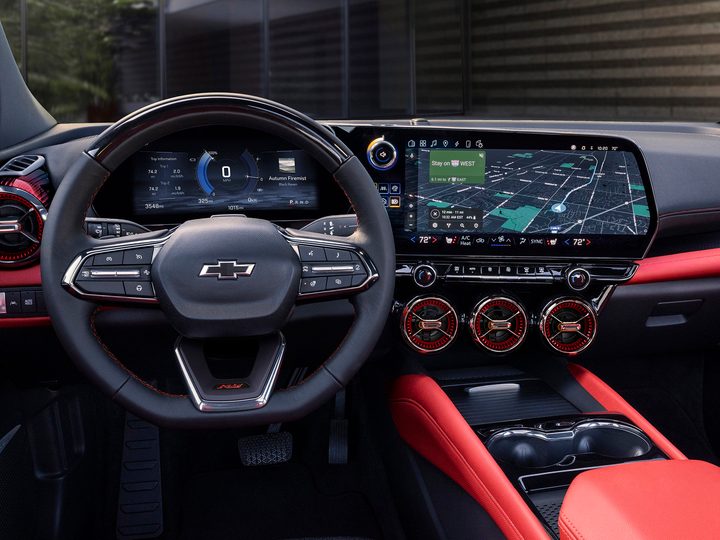
Much fun has been poked at General Motors over the ill-advised statement from an executive regarding GM’s decision to eschew CarPlay and Android Auto in favor of its own homegrown infotainment system. It all surrounds statements by Tim Babbitt, GM’s head of product for infotainment, paraphrased by MotorTrend (there were no direct quotes in the piece, save for a follow-up statement from the company to try to tamp down the fire), that basically called systems like Google’s Android Auto and Apple’s CarPlay bad and unsafe.
The lead culprit? These lines: “According to him, there’s an important factor that didn’t make it into the fact sheet: safety. Specifically, he cited driver distraction caused by cell phone usage behind the wheel. According to Babbitt, CarPlay and Android Auto have stability issues that manifest themselves as bad connections, poor rendering, slow responses, and dropped connections.”
I ran an Android blog for seven years during the platform’s heyday. I’ve used Android Auto and CarPlay for as long as they’ve been around. They are not perfect (nothing is). In the very early days, Android Auto did have some implementation issues, on occasion, with phones that were brand-new to the market. (Mostly it had to do with how Android phones handled something called MTP when plugged in.) And back then, in the mid-2010s, there were a lot of new phones coming down the pike. Things were moving very quickly, from many manufacturers. And given the contrast between the pace of the automotive industry, it’s a bit of miracle that things worked at all. Apple, at least, really only had a single device that CarPlay had to target: the iPhone.
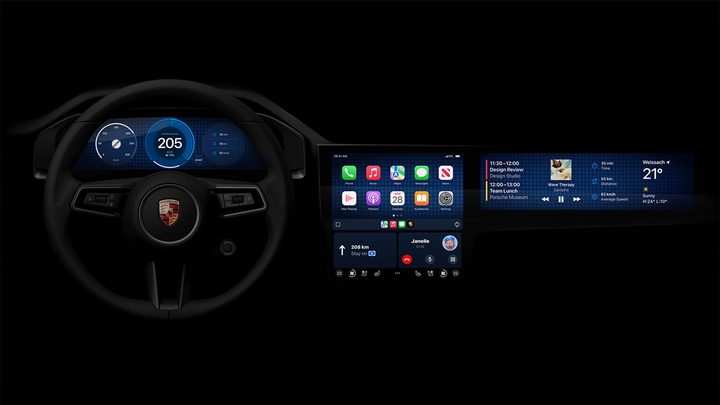
But there is a long-standing axiom that mostly remains true today: The built-in infotainment systems, generally speaking, have not been as good or as simple as what you get with Android Auto or CarPlay. They have gotten better over the years — and the slow shift to large, capacitive touchscreens and actual UX (that’s user experience, in industry speak) design has come a long way, and we shouldn’t discount that. But they haven’t been great, and it’s just not the same sort of integration we get with Android Auto or CarPlay. And considering folks tend to keep their cars for more than a decade, it’s important for the tech to be able to at least attempt to keep up with the times. The projections that are Android Auto and CarPlay — by which your phone powers what’s on the screen — have allowed for that in a way in which the car manufacturers have not.
Built-in infotainment systems have gotten better in recent years, but there’s still room for your phone.
Some of that is by design. Most auto manufacturers move slowly because of the way that industry largely works. That’s not to say they’re stagnant (companies like Telsa and Rivian are proof of that), but they’re extremely conservative, especially when it comes to things like driver safety and distraction. They’re right to be, and not just because of the pretty strict regulations for that sort of thing.
But what GM is doing in dropping support for both Android Auto and CarPlay is akin to throwing out the baby with the bathwater. And in doing so, it’s obfuscating its real complaint: losing control over its infotainment stack — and that means losing data and, ultimately, money.
What follows is an imperfect metaphor for obvious reasons, but stick with me here:
Imagine for a minute that you were looking to purchase a new television. It’s a fairly large living room purchase. Certainly not in the same way that a car is, but it’s not nothing. And it’s a product you’re expecting to own for a good while.
But what if that television was devoid of any HDMI ports. What if you were only able to use the software, apps, and features that come with that television, all at the mercy of the manufacturer.
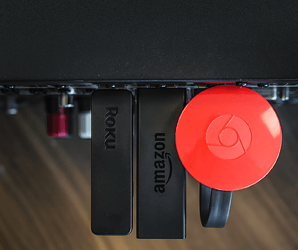
Would you buy that TV? Would you buy a TV whose Netflix app just wasn’t as good as what’s available on, say, Roku or Amazon Fire TV? Would you buy a TV whose Netflix app doesn’t update to keep up with new features? Would you buy a TV that locked you in to a single user experience, even though all the others have options?
Would you buy a television whose user experience is inferior to other options — and one that doesn’t allow you to use anything else?
Chances are you wouldn’t. At least you shouldn’t. Not in a world in which you can get something very usable for less than $100 — so long as you’re able to plug it in to the TV.
Never mind all the press releases and commercials from the TV manufacturer telling you how great and safe the built-in software is. And like in the car industry, the built-in systems from Samsung, LG, and Vizio (to name but three) have gotten much better. And while they’re more than just fine for folks who don’t want to use anything else, they’re still not as good as most external options — think Roku, Amazon Fire TV, Chromecast with Google TV, or Apple TV. Nor is the hardware on which they run upgradeable, so you’ll always be at the mercy of those chipsets tucked away inside the TV. And so you still should be able to use your own devices to extend your experience with the TV, provided that they work in a safe and consistent manner.
The option to use CarPlay and Android Auto in conjunction with built-in infotainment should remain an option.
That’s what Android Auto and CarPlay do. They extend the usefulness of the built-in infotainment system. They don’t totally usurp it. They don’t (currently) control the operation of the car themselves. (While I’ll entertain the argument that they never should, I also haven’t personally used Android Automotive. So I can’t speak to that.) And lest you think I’m letting aftermarket manufacturers off the hook, their UX has largely been pretty awful, too. But at least you get more choice if you go that route. Pick your poison.)
At this point it’s worth mentioning that there are GM cars — including the new 2024 Blazer — that have “Google built-in.” That is, the infotainment has access to some Android apps, without requiring your phone for anything. It’s part of Android Automotive, but different, and the nomenclature is kind of a mess, which is par for the course for this sort of thing. And in any event, good luck selling that to folks who use an iPhone.
While it’s certainly GM’s prerogative whether it wants to support CarPlay and Android Auto or not, it’s the customer’s prerogative whether to buy a car that lack those features. Just as it is their prerogative whether they’d buy a TV with no HDMI ports. And in any case, this all likely will be a moot point. If and when GM gets wind that customers aren’t buying cars and trucks without CarPlay and Android Auto, you’ll see it change its tune pretty quickly.


