At a virtual event hosted by the company on Wednesday, Google announced a new, $50 Chromecast device called Chromecast with Google TV that comes with its own voice-based remote. The new Chromecast features the new Android TV-based Google TV experience which combines content discovery, watchlist, and live TV into a single interface. It also supports 4K and HDR. It goes on sale today in the U.S. and in other countries by the end of the year.
The new Chromecast may have been officially unveiled Wednesday, but thanks to several looks and a few premature sales in the days leading up to the virtual event, we already had a crystal-clear picture of what to expect with this new streamer. Google just did us all a solid and officially confirmed the specs.
Here’s a breakdown of Google’s latest streaming device.
Design
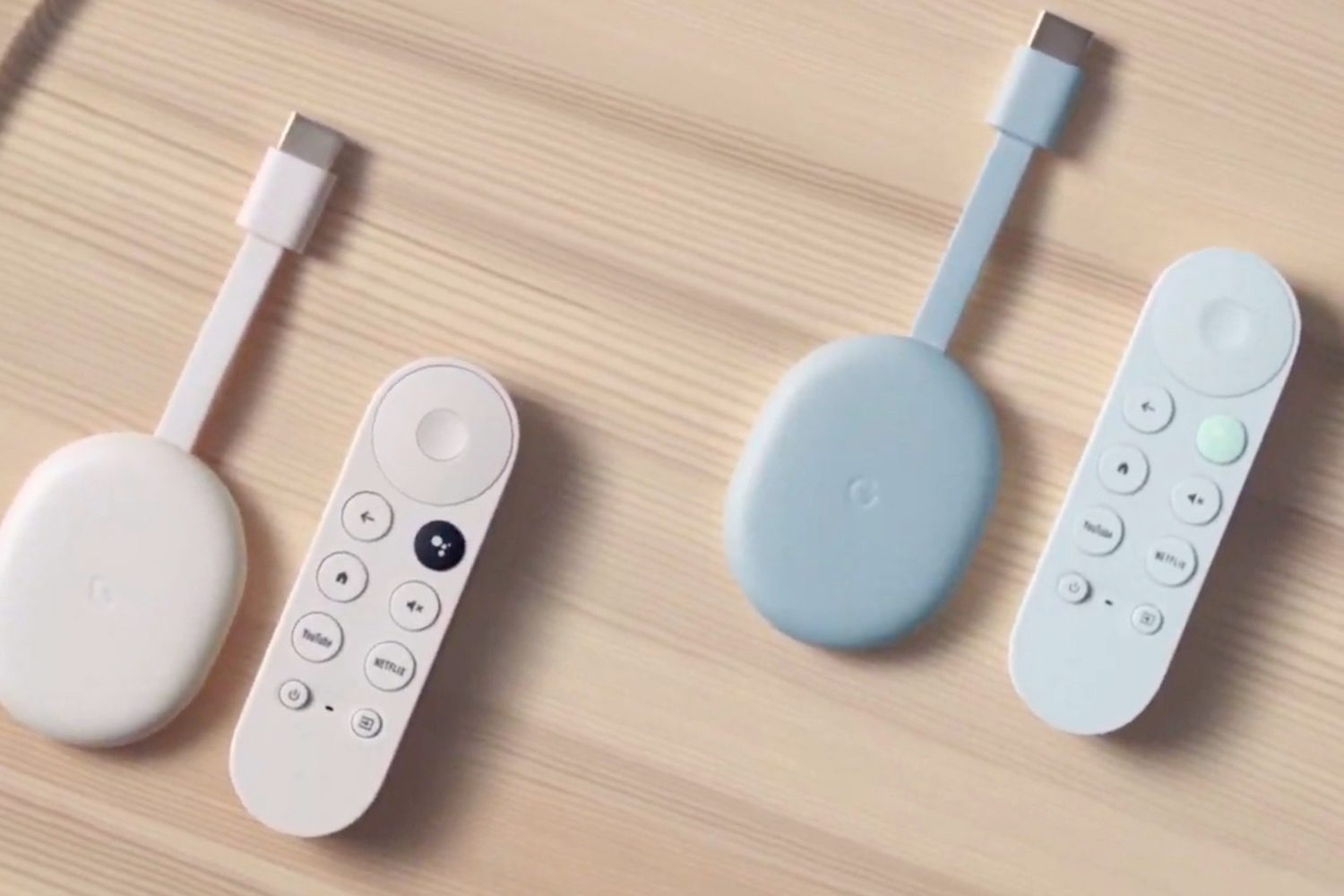
A few things stayed the same with the new version of the Chromecast many have come to know and love. For instance, Google has continued to stay away from the set-top box style utilized by competitors like the Apple TV or the Roku Ultra. Instead, the tech giant is sticking with the HDMI dongle configuration that’s become a trademark of past Chromecast devices.
The design isn’t all the same, though. Google’s new product has lost the circular, puck shape that previous Chromecasts have sported, and has now opted for a slightly elongated structure that resembles a flattened egg. It also comes in your choice of three colors: Snow, Sky, and Sunrise.
And hey, there’s a remote! This is a first for any Chromecast device, since the main concept of Chromecast products leading up to this announcement has revolved around using your own mobile device as your “remote.” Prior to today, if you wanted to play something on a Chromecast, you’d use a streaming app on your mobile device to find the content you wanted to watch (or listen to), then send it directly to a Chromecast.
Now, with the addition of a remote, one with volume controls on the side that can control TV volume via CEC, the new Chromecast will join most other modern streamers in being able to physically scroll through your favorite content directly on that streaming device.
As an added design detail, Google’s new device has a USB-C power adapter.
Features
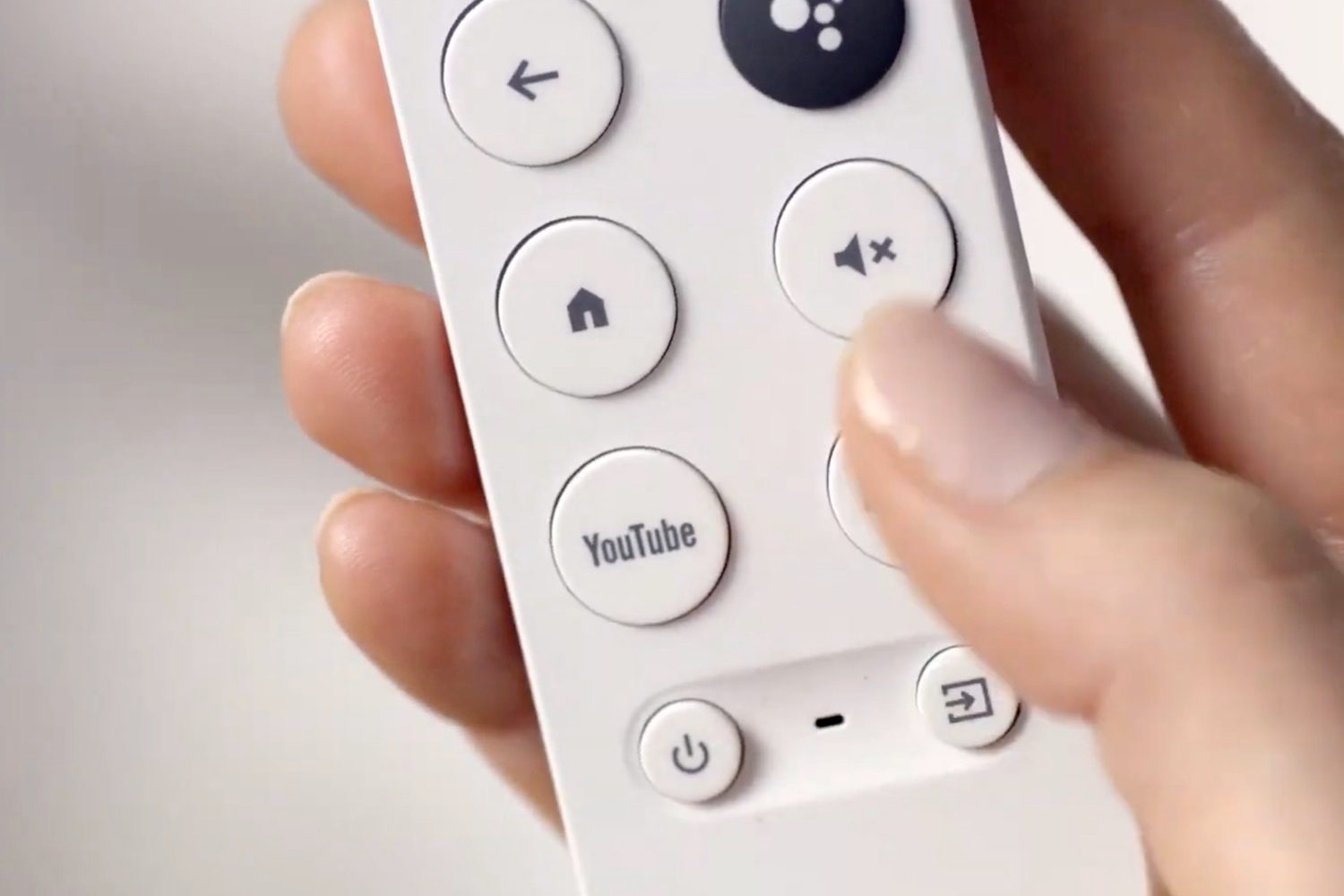
The new Chromecast supports 4K and HDR, which isn’t a brand-new feature to Chromecast devices. The Chromecast Ultra supports the formats but costs $20 more than this new-and-improved streamer and doesn’t include a remote or Android TV. At $50, the new Chromecast effectively lowers the entry fee for being able to watch your content in ultra-high-quality definition, as long as the streaming platform you’re using supports those formats.
The streamer supports Dolby Atmos and Dolby Vision as well, which puts it in competition with the highest-end devices from Roku and Amazon. However, it surprisingly does not support Stadia, at least not at launch. Google says Stadia will be coming to the new Chromecast in 2021. As a type of proof-of-concept, The Verge was able to sideload the Stadia Android app onto a Chromecast they were able to snag early, allowing the streamer to bring up the cloud gaming platform.
It’s worth noting that despite the device’s support for Dolby Atmos, it doesn’t actually decode the spatial audio format, instead, it does “passthrough” which means it relies on a TV, soundbar, or A/V receiver to let you listen to Atmos content. This could be a problem for Netflix fans as, so far, Netflix has only offered Atmos soundtracks to devices that decode the format themselves.
Interface and operating system
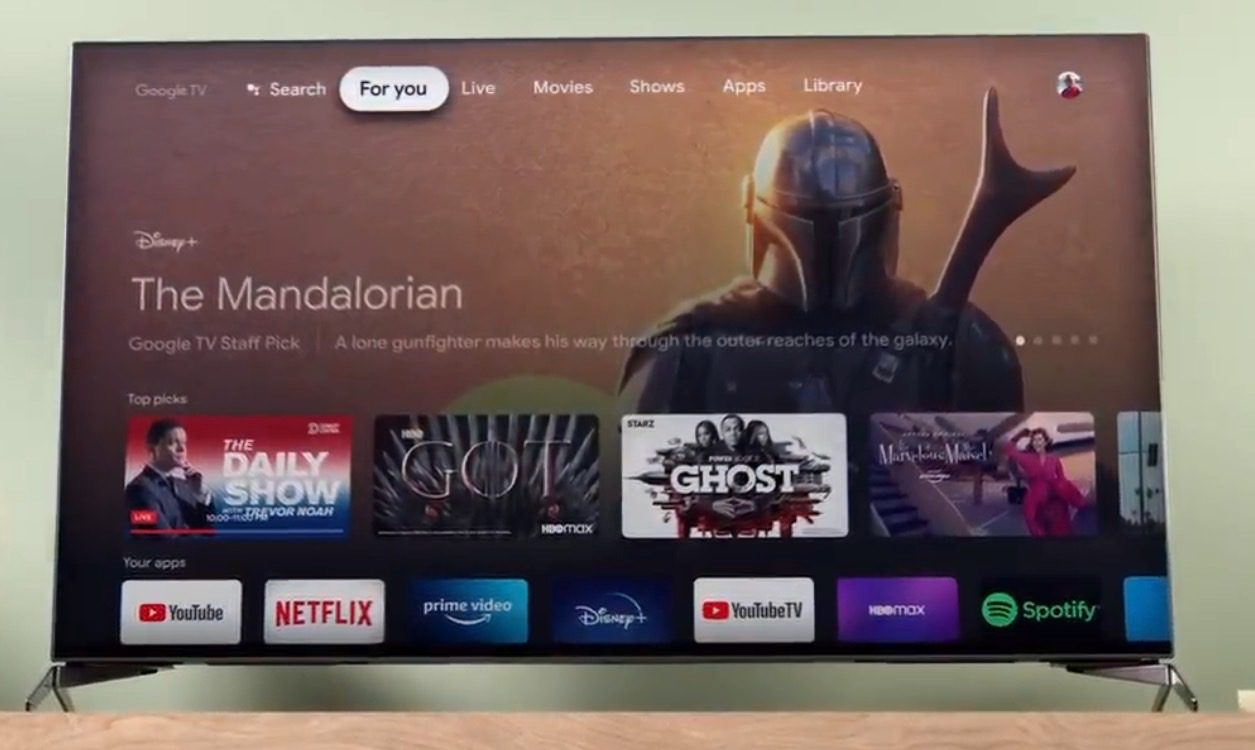
In conjunction with the inaugural Chromecast remote, the new Chromecast is equipped with the line’s first actual operating system. As soon as we saw leaks that this product would feature a remote, it seemed inevitable that an OS would follow.
The new Chromecast runs the Android TV 10 operating system, but it’s the new Google TV interface that sets the newest Chromecast apart from other Android TV devices and TVs.
Unlike stock Android TVs’ stacked, app-based ribbons of shows, Google TV looks a lot more like Amazon’s Fire TV and Apple’s Apple TV app. There’s a heavy emphasis on content discovery and recommendations, plus it’s been designed to integrate seamlessly with YouTube TV’s live TV streaming service — which makes total sense.
Watchlists can now be created, with shows from any streaming service you have access to whether free or subscription-based.
There’s also a Google TV app for Android phones and tablets which lets you move the watching experience from TV to on-the-go effortlessly. Google says that the Google TV app will also be added to select smart TVs in the future.
It’s not the first streamer to implement an Android TV OS, of course, with products like the Nvidia Shield and TV manufacturers like Sony, Hisense, Philips, and Sharp adopting the interface natively. But Google TV looks to be a game-changer for how useful Android TV is a platform for enjoying all kinds of streamed content. Whether it’s better than competitors like Roku, Amazon’s Fire TV, or Apple TV is something we’ll know once we try it, but this new Chromecast is getting the best of both worlds — the classic ability to cast to your streamer, or the opportunity to scroll through all of your streaming platforms at once.
We’ll update this story with more details as we dive into Google’s newest streaming product.