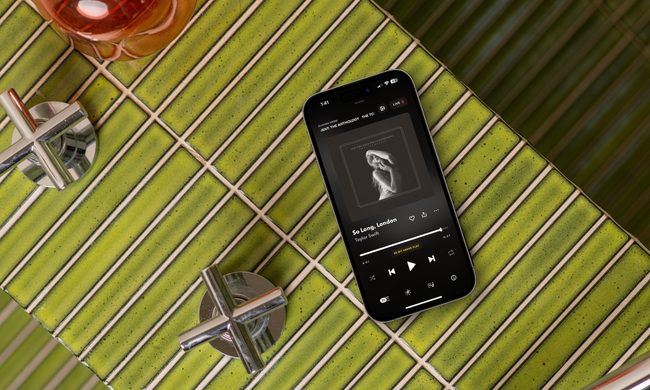
The first time I encountered someone listening to their phone out loud in public, it was on a city bus and I was taken aback for two reasons. First, the volume level on the phone wasn’t just audible to the person sitting next to them; our entire section of the bus could hear it. Second, it was a FaceTime call, and neither the person on the bus, nor their caller seemed to be the slightest bit hesitant to carry on their conversation in public. In fact, they appeared completely oblivious.
That was a few years ago. Since then, the problem of listening out loud has gotten much worse. I’ve encountered it in grocery stores, airport lounges, coffee shops, and even when just walking on the sidewalk. And it’s not just phone calls/FaceTime. Music, YouTube, TikTok, Instagram — you name it. If it’s got an audio track, I’ve heard it blaring from the speaker of someone’s phone. During a recent episode of the New York Times’ excellent tech podcast, Hard Fork, a listener referred to the problem as an epidemic, and I don’t think that’s hyperbole.
We all know the solution: just use a set of wired or wireless headphones or earbuds. It’s that simple. Except, maybe it’s not.
I’ll give these folks the benefit of the doubt. Perhaps they’ve fallen victim to misinformation — myths about headphones and earbuds — and that’s the reason they do what they do.
With that in mind, allow me to dispel a few of the more common misunderstandings about headphones and earbuds.
They’re too expensive
In 2016, when Apple launched the first-gen AirPods, wireless earbuds were indeed pricey gadgets. That was almost a decade ago, and since then, the market for wireless earbuds and headphones has become heavily commoditized. Yes, the biggest brands still sell their best products for hundreds of dollars, but there’s also an ocean of less expensive alternatives that can be had for as little as $20.
The affordable products aren’t worth buying

Five or six years ago, I’d have strongly agreed with that statement. Today, it’s no longer true. Take Moondrop’s Space Travel earbuds as an example. I’ve been using these $30 wireless earbuds for a month and they’re shockingly good for the basics. They’re comfy, they sound great, and they even provide a small amount of active noise cancellation (ANC). They’re also fine for calls, as long as it’s not too windy or noisy.
Sure, they’re missing lots of the extras you’ll find on more expensive buds, like wireless charging, Multipoint, and wear sensors. Their battery life is similarly basic at just four hours per charge (12 total when you include their funky, transparent block of a charging case). But the point is, they do what we need every set of earbuds to do and they cost less than an average meal for a family of four at McDonalds.
Even if you spend less than $30, the odds are good that they’ll at least sound decent. They may not blow you away, but the days of truly awful sound are behind us.
Here’s a list of the best wireless earbuds and headphones under $100.
I have an iPhone so I need AirPods
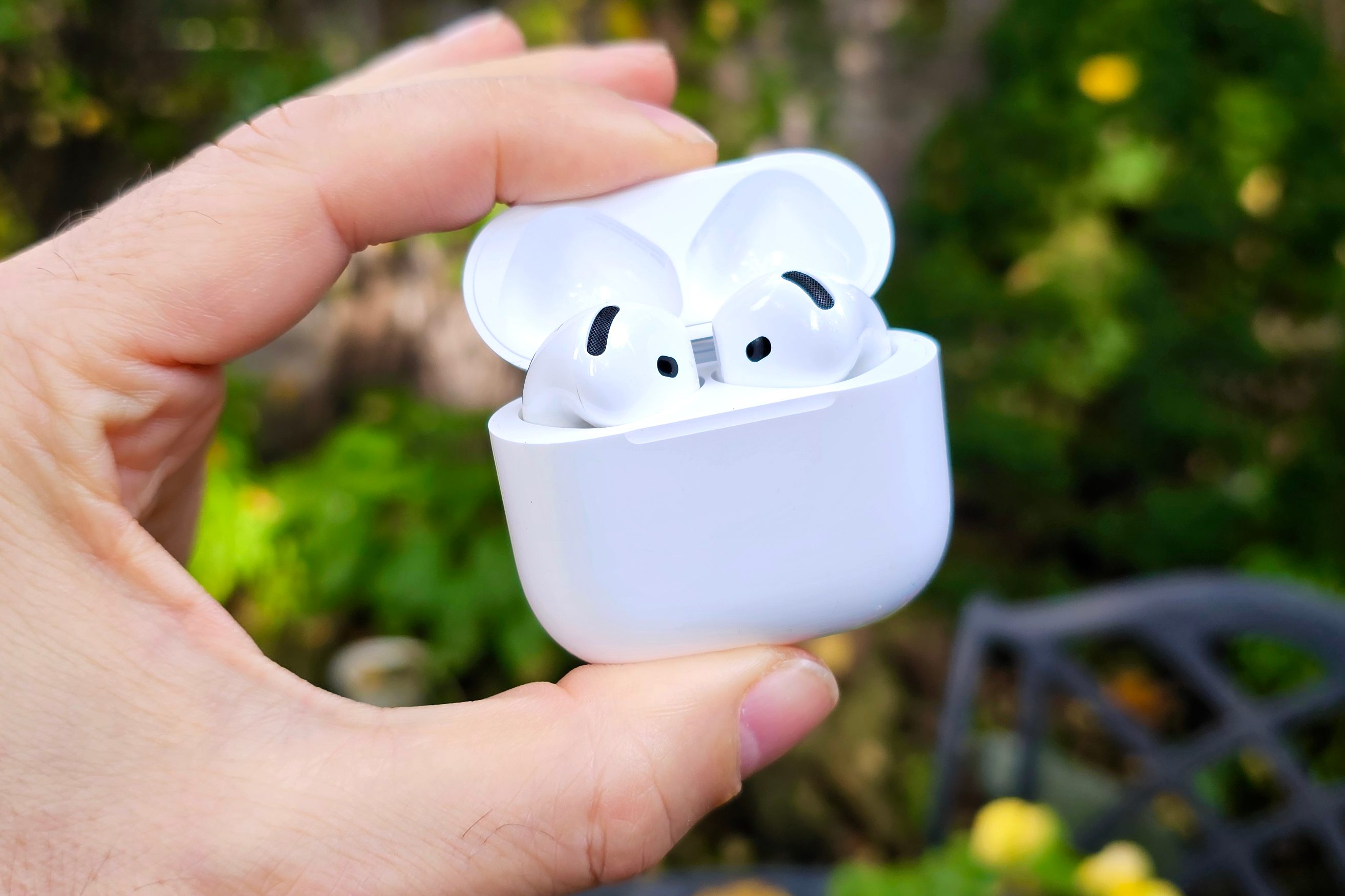
I’m sure Apple would love it if this were true, but nope. Any set of Bluetooth earbuds or headphones will work with any iPhone. I’ve tested hundreds of these products and I’ve still never found one that wouldn’t connect to my iPhone. I’ve heard it said — even by those who should know better — that if you’re an iPhone owner, you should use AirPods because the connection is more reliable. I don’t know of any studies that demonstrate this and my own experience doesn’t back that belief up.
However, it is true that when connection problems occur, they’re more often related to the design and engineering of the earbuds/headphones rather than the phone. And since Apple’s AirPods are — whether you like them or not — very well engineered for connection quality, they may be more reliable than lesser products.
I can’t wear earbuds; they’re painful or they just fall out

Now this is not a myth. A lot of people find it hard or impossible to keep earbuds in their ears simply because of how their anatomy is shaped. The good news is, there are now more options than ever, including the newest category of earbuds known as open-ear earbuds.
Typically, earbuds are semi-open, which means they sit in front of your ear canal (but don’t seal it with silicone tips) — think AirPods 4 — or, closed, which do seal the ear canal opening (e.g. AirPods Pro). Both types rely on contact with your ear’s concha to stay put. If you’ve got a tiny concha, or an irregularly shaped concha, these types of earbuds just won’t fit correctly, no matter what you do.
However, open-ear earbuds are different. They come in two main styles: earhook and ear clip. Both position their speakers just outside of the ear canal, which eliminates any discomfort associated with having an object up against that area. Earhooks, as the name suggest, wrap around the top of your ear (and provide a very secure fit), while ear clips wrap around the side. If you’ve ever struggled to get a good fit with traditional wireless earbuds, open-ears are a superb alternative. Check out our list of the best open-ear earbuds for some suggested models.
Just keep in mind, open-ears are, well, open: they can’t block any external sounds. This can be helpful for staying aware of your surroundings, having conversations with others, and they’re excellent for phone calls because you can hear your own voice naturally. But there will be times where those external noises are annoyingly intrusive — it’s just the nature of the beast.
Alternatively, most people find wireless headphones very comfortable.
I prefer wired earbuds/headphones but my phone doesn’t have a headphone jack

It’s true. You’ll be hard pressed to find smartphones with headphone jacks unless you go for a niche product like the Sony Xperia 1 VII or the Moondrop MIAD01, which has not one, but two jacks. But that doesn’t mean you can’t connect a set of wired earbuds or headphones. In fact, you have several options.
By far the easiest and most affordable way to go is with a USB-C-to-3.5mm adapter. These tiny and inexpensive accessories plug into your phone’s charging port and turn them into headphone jacks. Inside, each of these adapters has a digital-to-analog converter (DAC), which does the all of the heavy lifting of turning your phone’s digital music into something your headphones can reproduce as sound. These DACs are often basic, rarely exceeding 24-bit/48kHz, but for most folks, that’s more than enough quality.
If you’re still rocking an iPhone with a Lightning port, don’t worry — there are plenty of adapters for your phone too. Apple makes one that’s just $10.
The only thing to double-check when you go to buy, is whether or not the adapter supports two-way audio, so you can continue using your earbuds’ or headphones’ inline mic for voice calls.
A step up from simple adapter is a dedicated external DAC/amp. These devices are aimed at folks who care a great deal about audio quality and can range in price from $50 to $450 and up. Their biggest advantage is that they can process hi-res audio at the highest levels (typically up to 24-bit/192kHz or higher) and many of them are designed to work with audiophile-grade earbuds and headphones, which often require more voltage to sound their best (that’s the amp part). It’s rare for these devices to support two-way audio, so check the specs if that’s important.
If you don’t already own a set of wired earbuds or headphones, you may want to look for some that come with a USB-C plug. These are becoming increasingly popular, and they basically stick a DAC with a USB-C plug at the end of their wire. Other than that one feature, they’re the same wired products that we’ve had access to for years, and they frequently include an inline mic and remote buttons.
I wish I could say I’m confident that this round of myth-busting will convince all those who listen out loud to change their ways — I suspect that’s unlikely. What I can do is share this brilliant scene from 1986’s Star Trek IV: The Voyage Home as a reminder that this is not a new problem.