  1. Home
  2. Audio / Video
  3. Legacy Archives

Samsung packs more glasses with 3DTVs

Add as a preferred source on Google
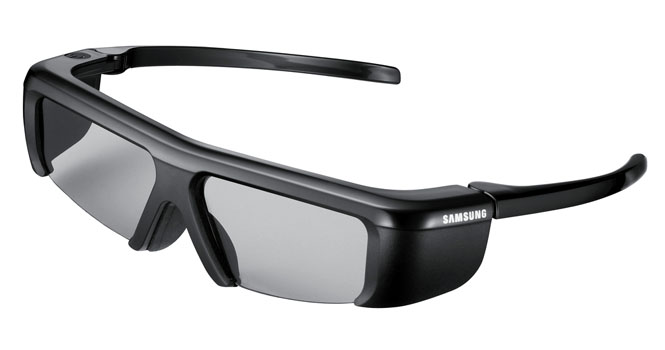
Samsung SSG-3100GB 3D glasses
Image used with permission by copyright holder

The entertainment industry is still trying to drive home to consumers that the future of everything is 3D, but so far buyers have shown some reluctance to open their wallets for 3D-capable HDTVs, then have to open them again to buy extra pairs of 3D glasses in the not-unlikely event more than one person in their household might want to watch TV at the same time. Samsung is trying to take a little bit of the sting out of the 3D glasses situation: beginning April 24, the company will be bundling two pairs of its 3D active glasses with its entire lineup of 3DTVs at no extra charge. The classes normally run about $50 per pair: Samsung is touting the promotion as a value, noting that buyers can now outfit a family of four for 3D content for under $100—well, besides the cost of the 3DTV.

“We are excited to make it even more affordable for the entire family to enjoy Samsung’s lifelike 3D experience,” said Samsung Electronics America’s senior VP of home entertainment John Revie, in a statement. “Reaching new audiences with the wonder of Samsung’s Full HD 3D is key to driving continued adoption of 3D in the home.”

Recommended Videos

Of course, there’s a bit of an exception to the promotion: customer buying Samsung’s D7000 or higher 3D LED TVs or the Samsung D6500 or above plasma 3D TVs won’t get an extra pair of 3D glasses: instead, they’ll continue to get Samsung’s 3D Starter Kit, which already came with two pairs of glasses, along with promo versions of Shrek and a voucher for Megamind 3D, both on Blu-ray.

Samsung also says it will be “price adjusting” its complete line of 3D glasses soon.

Geoff Duncan
Former Contributor
Geoff Duncan writes, programs, edits, plays music, and delights in making software misbehave. He's probably the only member…
Topics
Radiant Monitor 2 takes a sunlit approach to solve the glare and power problem
This sunlight-friendly monitor wants your laptop setup to leave the cave
Radiant Monitor 2

For most laptop displays, sunlight is the main antagonist. The brighter the day, the harder they work, and the more you start hunting for some shade. The Radiant Monitor 2 takes a different approach. Eazeye’s new portable monitor uses a 15.6-inch transflective LCD, which means it can use ambient light to improve visibility instead of fighting it entirely with a backlight.

In bright conditions, the backlight can be turned off, dropping power consumption to around 3W. Sunlight becomes part of the display system rather than the thing ruining your screen.

Read more
The Accentum Clip could make open-ear earbuds more appealing to music lovers
Sennheiser's new open-ear earbuds promise stronger bass without blocking the outside world
Adult, Female, Person

Open-ear earbuds have become one of the fastest-growing categories in personal audio. They offer a comfortable fit and let users stay aware of their surroundings, making them ideal for commuting, exercising, or working in shared spaces. The trade-off has usually been sound quality. Without creating a seal inside the ear, open-ear designs typically struggle to deliver the bass and immersion many listeners expect from traditional earbuds.

Sennheiser says the Accentum Clip is designed to address that challenge. These clip-style earbuds are advertised to deliver stronger bass, clear vocals, and balanced treble.

Read more
Google’s new $99 Home Speaker offers 360-degree audio and next-gen Gemini perks
However, its most advanced AI-based features are locked behind a monthly subscription.
Sphere, Electronics, Speaker

After six years of waiting, Google has finally released a new smart speaker. The $99 Google Home Speaker is available for pre-order starting today and hits shelves on June 25, 2026. At the core of the speaker is Google's conversational AI assistant: Gemini.

With Gemini, you can now hold natural, multi-step conversations with the speaker rather than issuing individual commands. It understands natural phrasing and logic, so you can speak more naturally without phrasing everything like a voice command.

Read more