In the last decade, I have bought, overused, and abandoned more gadgets than I can keep a count of. I’ve gone through generations of devices, upgraded from a Nokia feature phone to a Nokia smartphone, and shifted from Windows to Mac to Chrome OS. A quick trip through my home’s attic will remind you just how dramatically the tech industry has evolved these past few years.
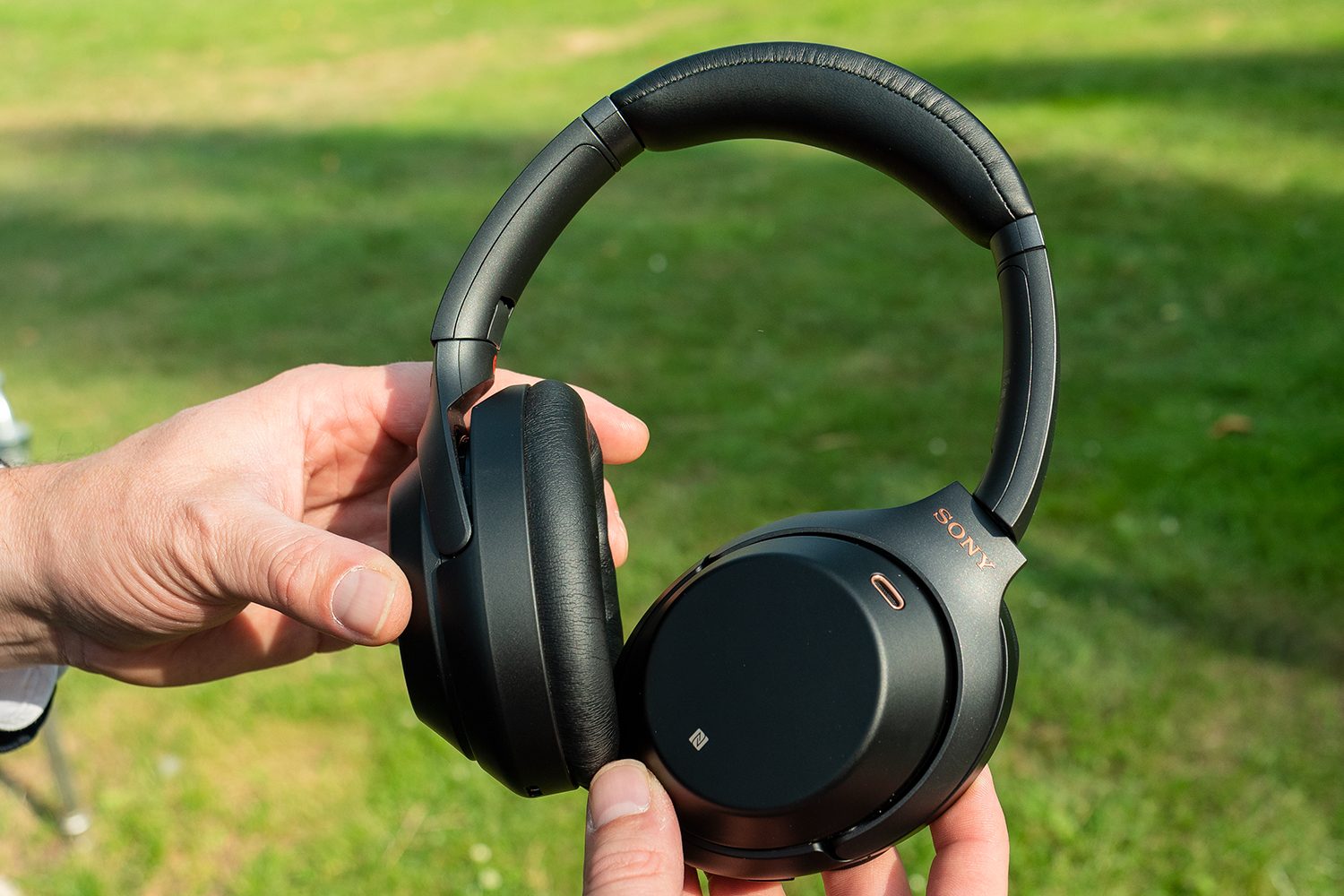
However, no gadget has had more impact on my life than the one I acquired a couple of months ago — Sony’s noise-canceling WH-1000XM3 headphones.
Over the years, I have come to terms with the fact that the world will never be as quiet as I’d like it to be. There will always be a crying toddler on a flight, a creaking component inside public transport, two loud suits who can’t quit talking about Wall Street at a Starbucks, a drilling machine wreaking havoc right outside my home, a smartphone that won’t stop ringing, or a noisy neighbor who decides to remodel their house just when I’m an hour away from an assignment’s deadline.
But of late, these noises don’t bother me as much as they used to and, frankly, I hardly notice them anymore — and that’s thanks to Sony’s noise-canceling headphones, which now have an indispensable presence in my life.

Blessed silence
The Sony headphones let me focus come hell or high water or any other noise the world produces to throw a wrench into whatever I’m doing. As I type this article, I can’t even hear myself bashing the keyboard. The dead silence often feels meditative and allows me to be alone with my thoughts like I have never before.
For years, I’ve largely sat out the noise-cancellation trend because, as someone who’s accustomed to $50 earphones, spending $350 on a pair of headphones never made sense to me. But looking back, I wish I had adopted them earlier.
Unlike the rest of the essential tech I rely on every day, they have truly transformed my workflow and lifestyle, and redefined my relationships with a series of life’s fundamental aspects. Had I bought them earlier, I wouldn’t have had so many unpleasant flying experiences or wasted hours because someone or something was too loud.
Like I was 10 years ago, I’m still punching in a URL on a browser to surf the web on a computer. I’m still tapping colorful icons on a rectangular slab of glass to launch apps or send a text. What has changed is that I’m now confident that I can get work done anywhere as long as I have my headphones and laptop.
A mute switch for the world
Every time I put them on, I realize how deafening our surroundings can be. As soon as you activate the headphones, you feel a sudden swish of air — almost resembling a pair of large, medieval castle doors shutting — and instantly perceive how much sound they actually keep out.
It wouldn’t be an exaggeration to call them a mute switch for the world.
Being a $350 pair of headphones, they sound great. There’s no external noise marring your listening experience, which furthers add to their advantage.
On top of that, Sony has bundled a handful of nice touches. You can cup the right headphone with your palm to temporarily switch off active noise cancellation to talk to someone or hear, for instance, a subway announcement. Once you take off your hand, it’s back to normal. The Sony WH-1000XM3 headphones also last a long time and I have to charge them just once every three to four days.
Noise-cancellation headphones, however, are still largely a luxury accessory and out of reach for most people. Companies like Sony do offer decent affordable options, but you’ll still required to shell out at least $200.
Fortunately, they will likely get cheaper next year. We’re expecting a multitude of new noise-cancellation headphones — and a lower price point — at CES 2020.