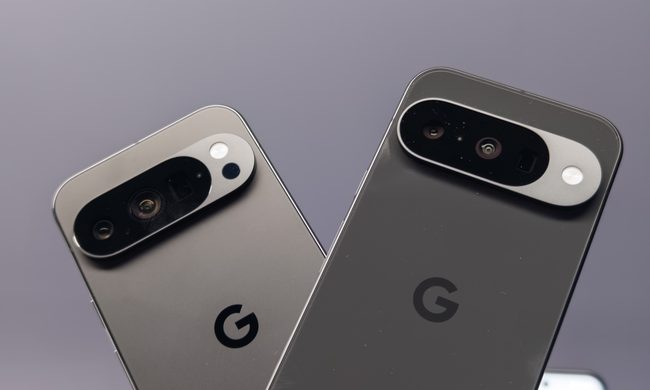
The Echo Pop is the newest addition to the Amazon Echo family. It features a bold new design but still offers many of the same features found on the always-popular Echo Dot. However, there are a few key differences between these two products — including pricing and audio performance.
Here’s a look at the Echo Pop and Echo Dot to help you decide which is best for your smart home, or if you should pick up the new Pop even if you already own the Dot.
Pricing and design

Despite being the newest addition to the Echo family, the Echo Pop is the cheapest product in the catalog. It’s available in four different colors — Charcoal, Glacier White, Lavender Bloom, and Midnight Teal — and costs just $40. The Echo Dot is a bit more expensive at $50 and is available in Charcoal, Deep Sea Blue, and Glacier White.
The two also feature unique designs, with the Echo Dot built to deliver 360-degree audio thanks to its spherical footprint. You can also purchase an Echo Dot with Clock, which includes a small display but costs $60. The Echo Pop, meanwhile, is built like a standard front-facing speaker and doesn’t include any sort of display (although it does have a light bar to let you know when it’s listening to your commands).
Sound quality
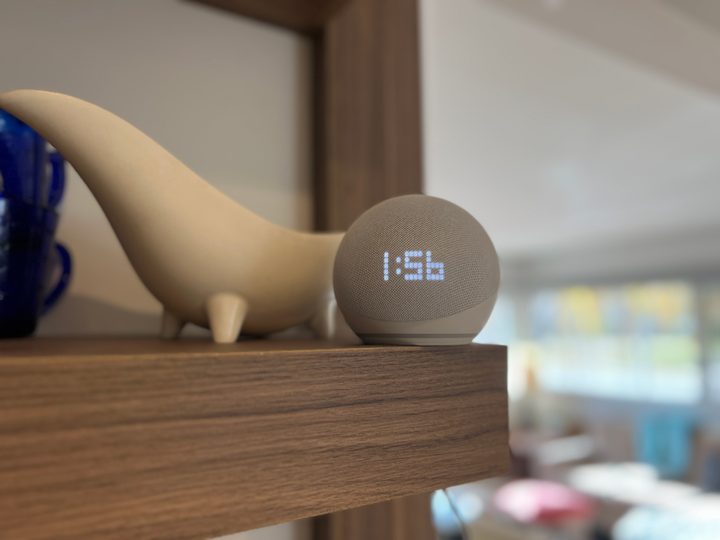
Considering their price, both products have surprisingly crisp sound quality. The Echo Pop gets a little muddy when blasting its volume, but for some background music while you work or for the occasional dinner party, it gets the job done.
It’s a similar story for the Echo Dot, although its 360-degree design helps push its sound waves to all corners of the room. Neither offer audio that’s as compelling as something like the Sonos One or HomePod, but considering the Dot and Pop are dirt cheap compared to those competitors, they perform admirably.
All told, however, the older Echo Dot is probably a better option if you’re worried about sound quality. The Pop is no slouch, but the front-facing design is a bit more limited compared to the orb-like Echo Dot.
Features and smart home connectivity
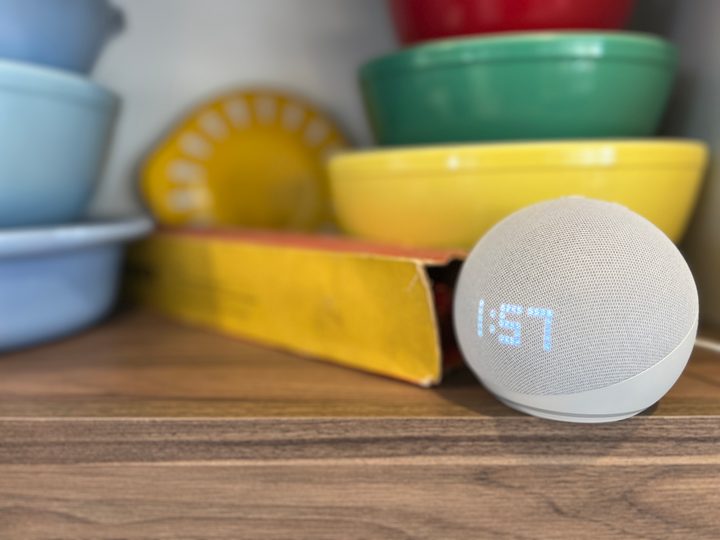
Regardless of which Echo you pick, you’ll gain access to the Alexa smart assistant. You’ll also be able to set timers and benefit from built-in Eero for enhanced Wi-Fi coverage. The biggest selling point of the devices, however, is that they can be used as a hub for the rest of your smart home. Using Alexa, you can give commands to other devices on your network, allowing you to quickly adjust your smart thermostat, check your video doorbell, or manage hundreds of other Alexa-supported gadgets.
Is the new Echo Pop an upgrade?

If you already own the latest Echo Dot, there’s no reason to pick up the Echo Pop. The device isn’t necessarily a downgrade, but it doesn’t bring a whole lot to the table besides a unique design. Audio quality is arguably better on the older Echo Dot, and its 360-design is better for room-filling sound.
For homes that don’t yet have a smart speaker, the Echo Pop is a compelling budget option. You might be better served by upping your budget by $10 and snagging the Echo Dot, but if audio quality isn’t a big deal and you simply want something to serve as an Alexa hub, then the Pop is a great pick.
Not sold on either the Pop or Dot? Be sure to check out our roundup of the best Amazon Alexa smart speakers for more options.