1. Home
  2. Smart Home
  3. Legacy Archives

Jet-inspired fins help this ultra-efficient cookware heat up 40% faster

Add as a preferred source on Google

The shape of the traditional cooking pan is one that has remained unchanged for decades — centuries, even — but now, thanks to U.K. rocket scientist Dr. Tom Povey, pots and pans have finally gotten a modern update.

Povey, a professor and researcher at Oxford Univerity’s Osney Thermo-Fluids Laboratory, has developed a unique cookware line that draws inspiration from jet engines. Using a set of special fins,  these radical-looking cast-aluminum pots and pans are able to carry heat to the base and sides of the vessel far more efficiently than conventional pots and pans, reportedly cooking food up to 44 percent faster. In other words, the Flare line takes less time, less energy, and ultimately less money to cook your meals.

Recommended Videos

Povey hatched the idea for the pans while on a mountaineering trip, where, up at higher altitudes, it takes much longer to boil a pot of water than it does at sea level. Frustrated that he was burning so much of the precious fuel he’d just hauled up the mountain, and realizing that most of it was going to waste, he set out to design a more efficient pot.
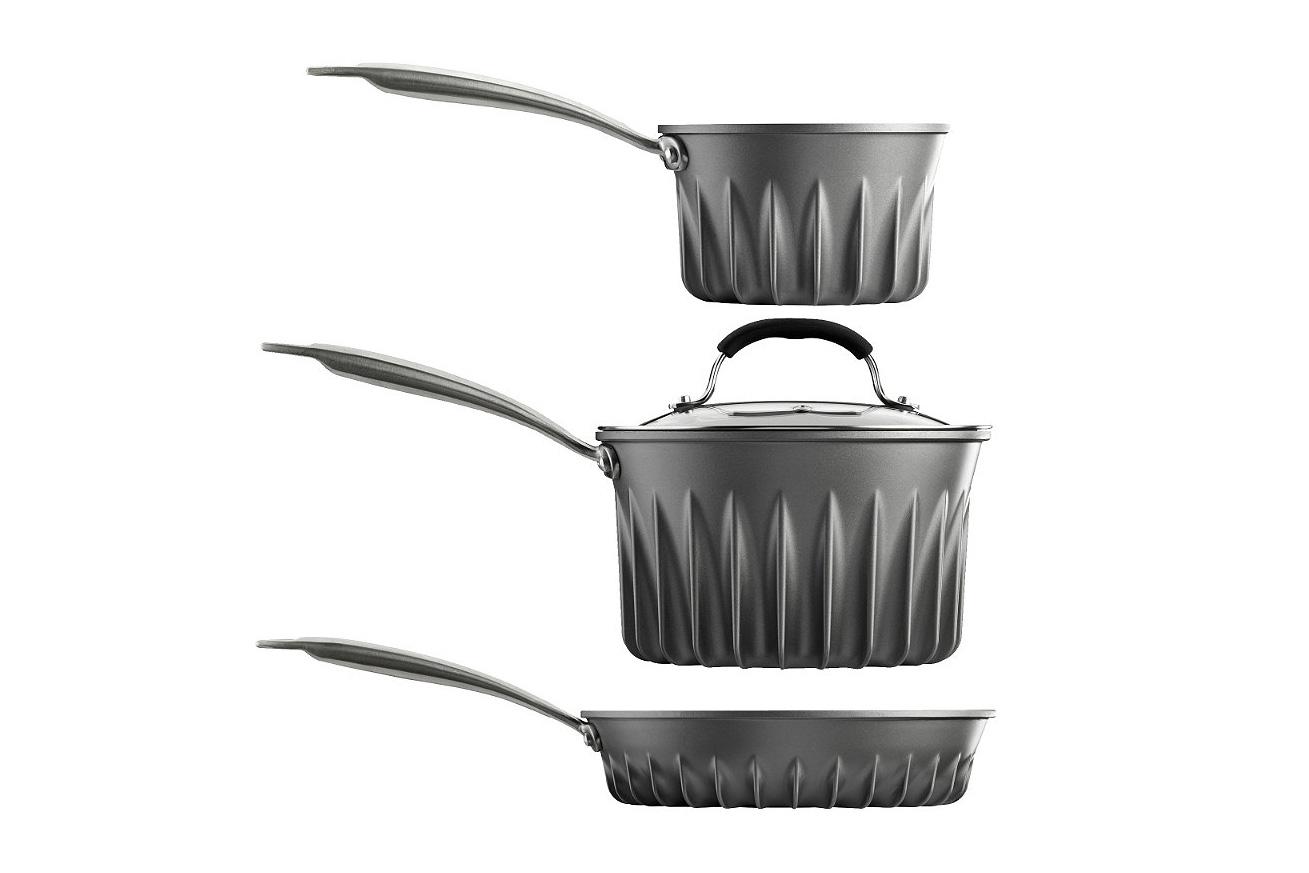
Flare pans
Image used with permission by copyright holder

“The problem with the current shape of the pan means a lot of the heat is dissipated into the air,” Dr. Povey  told the Telegraph. “So it is an aero-dynamic and heat transfer problem and we applied the science used in rocket and jet engines to create a shape of a pan that is more energy efficient.”

The Flare line started selling exclusively through U.K. kitchenware brand Lakeland last week, but this cookware won’t come cheap. If you want to get your hands on one of these badboys, be prepared to spend anywhere from $85 to $144 for a single pan. That’s a bit steep for cookware, but since these pots and pans are nearly 50 percent more energy efficient than the gear you already own, it could very well save you money in the long run!

Drew Prindle
Former Senior Editor, Features
Drew Prindle is an award-winning writer, editor, and storyteller who currently serves as Senior Features Editor for Digital…
Jackery’s FridgeGuard is the slimmest fridge backup battery you can buy right now
Jackery’s new lineup ranges from a slim fridge battery to whole-home backup solutions.
jackery-fridgeguard-power-backup

If a blackout has ever cost you a fridge full of groceries, Jackery has a fix for that now. The company is introducing FridgeGuard alongside three new HomePower Series batteries, giving you power backup options for different appliances.

FridgeGuard brings a sleek new look to fridge backup power

Read more
Google’s new $99 Home Speaker offers 360-degree audio and next-gen Gemini perks
However, its most advanced AI-based features are locked behind a monthly subscription.
Sphere, Electronics, Speaker

After six years of waiting, Google has finally released a new smart speaker. The $99 Google Home Speaker is available for pre-order starting today and hits shelves on June 25, 2026. At the core of the speaker is Google's conversational AI assistant: Gemini.

With Gemini, you can now hold natural, multi-step conversations with the speaker rather than issuing individual commands. It understands natural phrasing and logic, so you can speak more naturally without phrasing everything like a voice command.

Read more
Your smart home devices could be part of a cybercrime network without you knowing
Backdoors in some smart home devices are fueling cybercrime networks
Hacker with Computer

Smart home devices and gadgets are now commonplace in many modern homes. Security cameras watch front doors, streaming boxes power TVs, and connected appliances constantly exchange data over the internet. Most people worry about companies collecting too much information, but a growing cybersecurity threat suggests consumers may have a much bigger problem to worry about.

Security researchers are warning that some internet-connected devices can contain hidden software backdoors or severe security flaws that allow outsiders to access home networks. In some cases, these devices can effectively turn a household internet connection into a tool for cybercriminals without the owner's knowledge.

Read more