What’s happened? Amazon’s Ring launched new security cameras with features like Alexa+ Greetings, Search Party, and 4K Retinal Vision, but the one that’s creating the most buzz is Familiar Faces, and not for good reasons.
- Along with four new 4K cameras and two new 2K products, Ring has introduced a new feature called Familiar Faces.
- It uses facial recognition to tag and identify familiar people, such as neigh, friends, or delivery personnel, enabling customized alerts when they arrive at the doorstep.
- However, the way this feature works — by using biometric data to create faceprints — has sparked widespread privacy concerns.
Why is this important? This is the first time that Amazon is using facial recognition technology in home security devices. The Familiar Faces feature could collect sensitive biometric data of people in the camera’s visual range,
- Privacy advocates warn of risks related to unauthorized data collection without consent (via The Washington Post).
- They’ve also highlighted concerns about potential hacking and data misuse, an issue that has occurred more than once with the company.
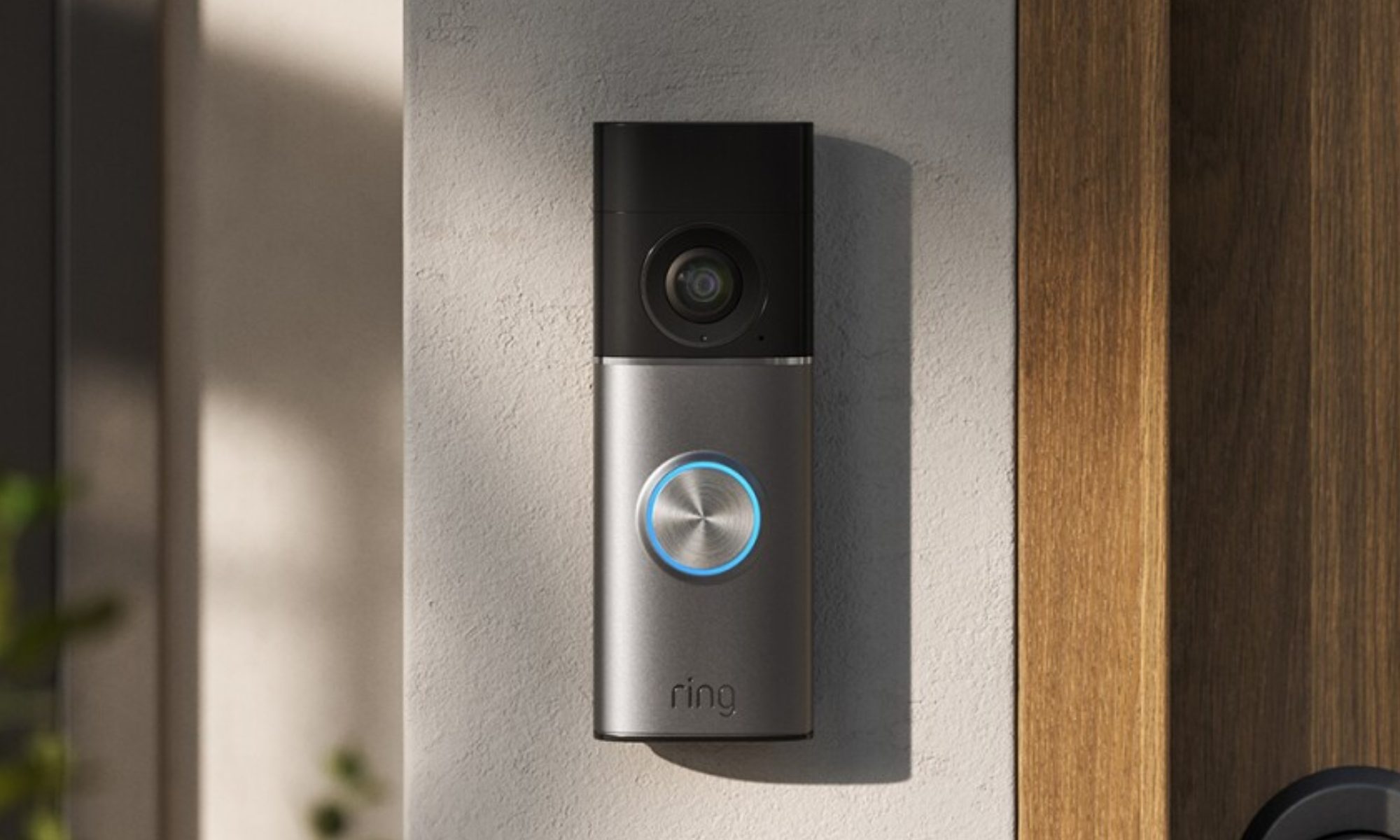
Why should I care? The next time you’re walking by someone’s house, a Ring camera or doorbell could scan your face and store a copy of it in its database without your consent.
- Unless you’re in Illinois, Texas, or Portland, Oregon, where the feature is disabled due to strict biometric collection laws, you’d never know whether a Ring user has the feature enabled or disabled.
- Furthermore, people who use the feature hold legal responsibility for compliance with state consent laws, creating a risk for unknowingly violating privacy regulations.
- What’s good, however, is that the Familiar Faces feature is disabled by default, even in the states where it is available.
OK, what’s next? Although the feature won’t be available until December 2025, it has spooked users on social media platforms and forums.
- The company could perhaps make the facial recognition feature optional for a visitor. A voice prompt could either ask the visitor to wait or press a button to proceed with their face scan.
- It’s legal to film in public places, whether it’s your doorway, a busy street, or a local market. However, Ring should be cautious about not making the feature a legal nightmare for users.