  1. Home
  2. Mobile
  3. Emerging Tech
  4. Legacy Archives

Amazon buys Samsung’s Liquavista display subsidiary, hints of possible new Kindle tech

Add as a preferred source on Google
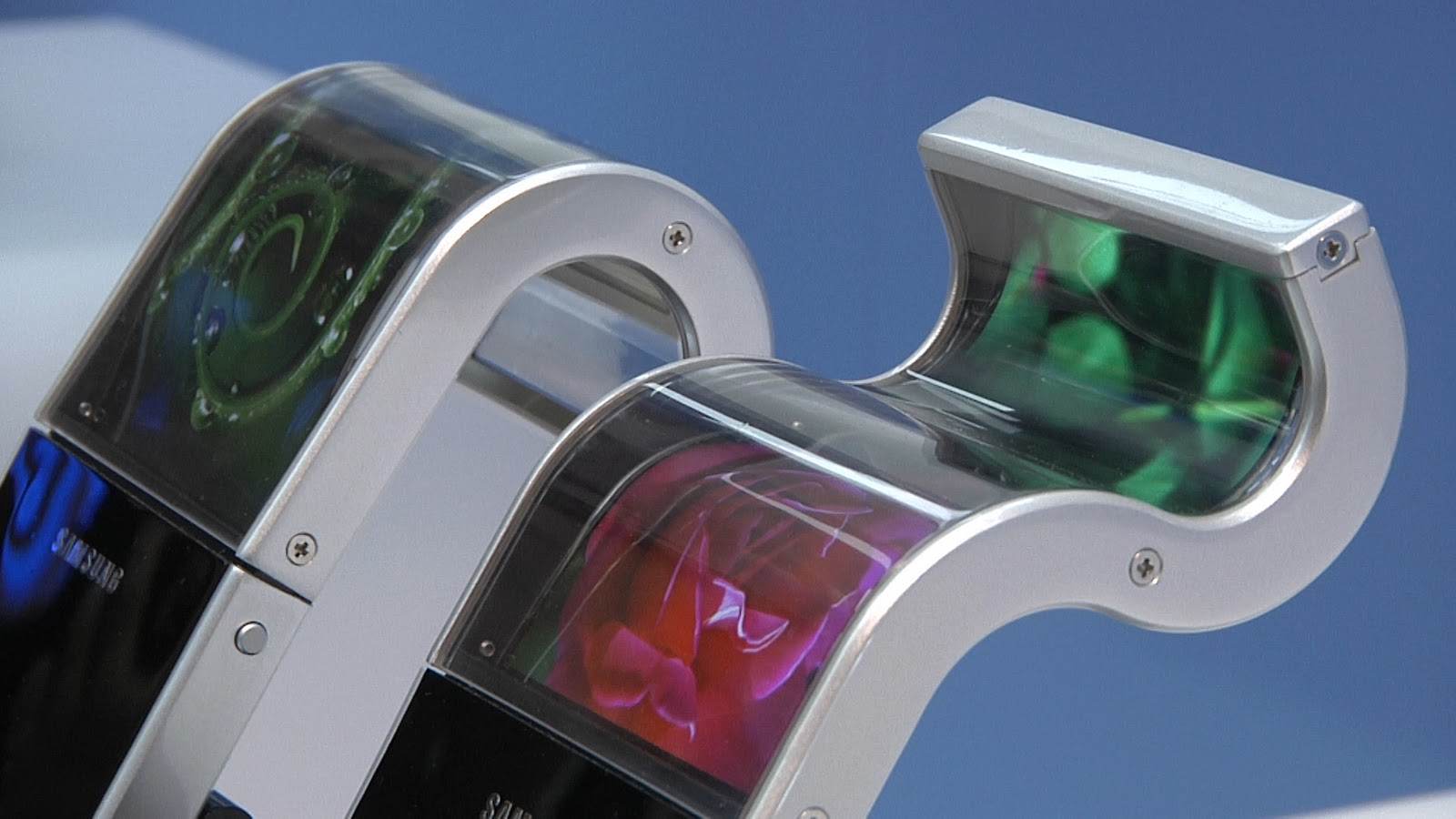
Samsung Flexible Screen
Image used with permission by copyright holder

After Samsung acquired Liquavista in 2011, there were talks that the electronics giant would unveil new smartphones with flexible screens in 2012. Well, 2012 came and went, and we have yet to see Galaxy devices with displays that bend. In fact, a report suggests that rival LG would beat Samsung to the punch in unveiling a flexible display by end of the year. The latest news (via PCMag) from Samsung may point to why there has been no movement: Sammy has struck a deal to sell Liquavista to Amazon. Amazon confirmed what had been rumors that such a deal was in the works.

The acquisition could foreshadow what’s to come in future Kindle devices. Liquavista, a Dutch firm that spun off from Philips in 2006, specializes in a display technology called “electrowetting.” The benefits of an electrowetting display could be big for Amazon Kindle e-readers and tablets: they can be viewed in various lighting scenarios yet offer low-power video playback, far more efficient than traditional LCD. (Before Samsung took over Liquavista, the company had planned to release e-readers with electrowetting displays, but pulled out when they found they could not sell premium display products at below cost.) There are other plusses, as well, including the aforementioned flexible display concept, however it’s uncertain at the moment if Amazon will incorporate bendable screens in a Kindle.

Recommended Videos

“We are always looking for new technologies we may be able to incorporate into our products over the long term. The Liquavista team shares our passion for invention and is creating exciting new technologies with a lot of potential. It’s still early days, but we’re excited about the possibilities and we look forward to working with Liquavista to develop these displays,” Amazon told PCMag.

Samsung hasn’t yet announced what its plans would be for flexible displays in relation to this deal, but judging from history we can bet the company will not stand by while its rival rolls out bendy smartphones, something Samsung has been working for the past couple years.

Les Shu
Former Senior Editor, Photography
I am formerly a senior editor at Digital Trends. I bring with me more than a decade of tech and lifestyle journalism…
Snapchat Planets: What’s the order, and what do they mean?
Snapchat Planets turns your best friends list into a solar system, and yes, your orbit says a lot
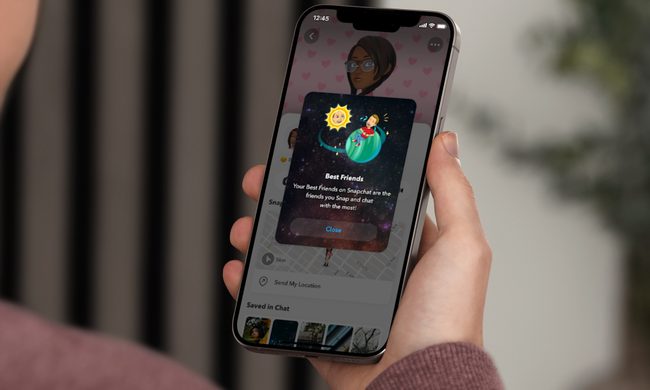
Snapchat Planets being shown on the Snapchat app on iPhone.

Snapchat is already packed with little symbols that can be weirdly hard to decode. You have streaks, emojis, badges, scores, Best Friends, and if you use Snapchat Plus, a tiny solar system that shows where you sit in someone’s closest-friends list.

The feature is called Friend Solar System, though most people just call it Snapchat Planets. It takes your position in a friend’s Snapchat orbit and turns it into a planet. From Mercury to Neptune, these celestial bodies signify how close a person is to you.

Read more
How to use WhatsApp Web
We'll show you how to use WhatsApp on your desktop or laptop
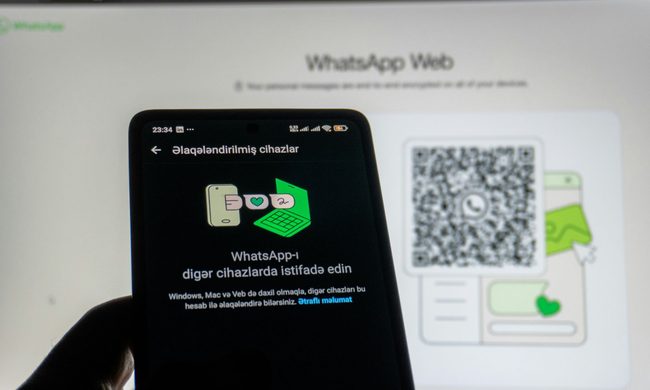
WhatsApp Web

As one of the most popular messaging services, you’ve already heard of WhatsApp. From its humble beginnings in 2009—two years before Apple introduced iMessage—to its acquisition by Facebook (now Meta) in 2014, WhatsApp has become the dominant messaging platform around the globe.

In recent years, it's grown even more potent with new features like video messages, self-destructing voice messages, the ability to edit sent messages, and more. We even finally got an WhatsApp iPad app in May 2025.

Read more
What is WhatsApp? How to use the app, tips, tricks, and more
From setting it up to mastering hidden features, here is your complete guide to WhatsApp.
WhatsApp app store listing open on iPhone

There's no shortage of messaging apps out there. The past decade has given us more options than we know what to do with, largely because smartphones demanded something better than plain old SMS.

Both the App Store and the Play Store are packed with apps that promise to revolutionize the way we communicate. Most of them didn't make it. The truth is, a messaging app is only as good as the number of people using it, and most apps never cross that threshold.

Read more