1. Home
  2. Mobile
  3. Android
  4. Apple
  5. Legacy Archives

The average Android phone is now half the price of an iPhone

Add as a preferred source on Google

Ever look at the retail price of that smartphone you bought? The iPhone’s price is mostly profit, and lately, competition is getting much cheaper. Based on information released by IDC, throughout the last four years the average price of an Android device dropped like a rock. It’s now half as much as the average iPhone.

The International Data Corporation (IDC) is one of a number of analyst firms out there constantly monitoring tons of smartphone data including the pricing and performance. A recent report by the company (compiled by Statista) detailed the average price of a smartphone based on the two most popular operating systems: Android and iOS. As a result, it found that the average price of an iPhone, about $650, is more than double the price of the average Android smartphone, about $280.

Recommended Videos

This information is startling, but it doesn’t tell the whole story about what this means for the industry. Right now, Android makes up a wide majority of the worldwide market share with 78 percent of smartphones shipped in 2013 running the OS. At the same time, most of the phones being sold that run Android are not high-end devices like the iPhone 5S, they’re low to mid range devices equal or less than the stats of the iPhone 5C. As a result, this data is a little skewed. Even though the number is dropping, it’s irrelevant in most cases if you want a top of the line Android smartphone.

 A notable example of a cheaper, but still high-tier smartphone would be the Moto G, which costs at a fraction of the price of comparable devices. The Moto X (Motorola’s flagship phone) also went down in price to around $300.

In the end, these numbers are pretty irrelevant to anyone with a subsidized two-year phone plan, which offers a top-notch smartphone cheaper than even the average Android price. But these total costs are built into your monthly bill. Cheaper devices mean you may not need to lock yourself into a contract to afford a phone.

(Image via IDC)

Joshua Sherman
Joshua Sherman is a contributor for Digital Trends who writes about all things mobile from Apple to Zynga. Josh pulls his…
Snapchat Planets: What’s the order, and what do they mean?
Snapchat Planets turns your best friends list into a solar system, and yes, your orbit says a lot
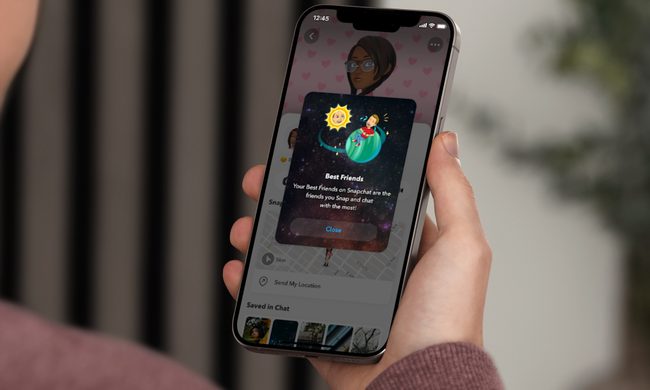
Snapchat Planets being shown on the Snapchat app on iPhone.

Snapchat is already packed with little symbols that can be weirdly hard to decode. You have streaks, emojis, badges, scores, Best Friends, and if you use Snapchat Plus, a tiny solar system that shows where you sit in someone’s closest-friends list.

The feature is called Friend Solar System, though most people just call it Snapchat Planets. It takes your position in a friend’s Snapchat orbit and turns it into a planet. From Mercury to Neptune, these celestial bodies signify how close a person is to you.

Read more
How to use WhatsApp Web
We'll show you how to use WhatsApp on your desktop or laptop
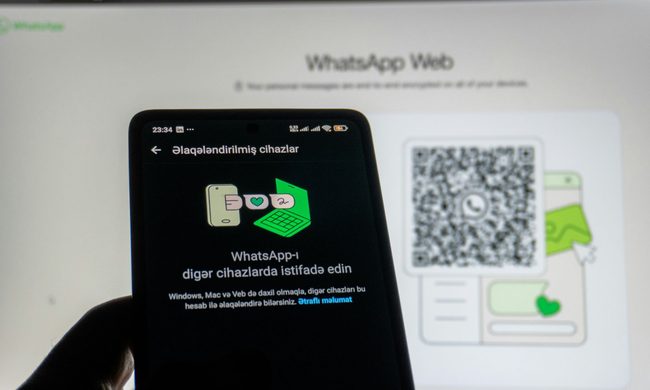
WhatsApp Web

As one of the most popular messaging services, you’ve already heard of WhatsApp. From its humble beginnings in 2009—two years before Apple introduced iMessage—to its acquisition by Facebook (now Meta) in 2014, WhatsApp has become the dominant messaging platform around the globe.

In recent years, it's grown even more potent with new features like video messages, self-destructing voice messages, the ability to edit sent messages, and more. We even finally got an WhatsApp iPad app in May 2025.

Read more
What is WhatsApp? How to use the app, tips, tricks, and more
From setting it up to mastering hidden features, here is your complete guide to WhatsApp.
WhatsApp app store listing open on iPhone

There's no shortage of messaging apps out there. The past decade has given us more options than we know what to do with, largely because smartphones demanded something better than plain old SMS.

Both the App Store and the Play Store are packed with apps that promise to revolutionize the way we communicate. Most of them didn't make it. The truth is, a messaging app is only as good as the number of people using it, and most apps never cross that threshold.

Read more