  1. Home
  2. Mobile
  3. Legacy Archives

Apple AirDrop takes a dig at Samsung NFC sharing, uses peer-to-peer Wi-Fi

Add as a preferred source on Google
oDnW2KbsLf
Image used with permission by copyright holder
Promotional logo for WWDC 2023.
This story is part of our complete Apple WWDC coverage
Updated less than 15 hours ago

Apple is busy showing off all of its new toys at today’s WWDC, including a brand new way to share content with nearby friends: AirDrop.

The new iOS 7 feature allows Apple users to connect with friends within a close proximity (though Apple didn’t reveal exactly what that distance is) to share things quickly and seamlessly: Web sites, photos, and a plethora of other items. What’s more, it uses peer to peer Wi-Fi, which will help speed up the process exponentially.

Recommended Videos

Users will be able to share from their native iOS apps and saved filed, but developers will also be able to implement an AirDrop share feature if they so choose. To pass something to a friend, all a user has to do is tap on the AirDrop icon and select one or more nearby friends. Whoever is selected (and nearby) will receive a notification on their device(s) and can then choose whether or not to accept the shared file. If it’s a feature within an app being shared, accepting will launch the app. (Presumably, if your friend doesn’t have the correct app, the App store will launch.)

This makes it insanely easy to share with friends, and increases the speed it takes to transfer files from one device to another. Presenter and lead Apple software engineer Craig Federighi even made a point to take a dig at competitor Samsung saying that, with AirDrop, there’s “no need to stumble around the room bumping your phones together,” referring to, of course, the NFC sharing technology used in Galaxy devices.

AirDrop will be supported on iPhone 5, iPad Mini, and all fifth-generation iPod Touches.

Joshua Pramis
Spending a childhood engrossed in such technologically inspiring television shows like Voltron, Small Wonder, and Power…
Snapchat Planets: What’s the order, and what do they mean?
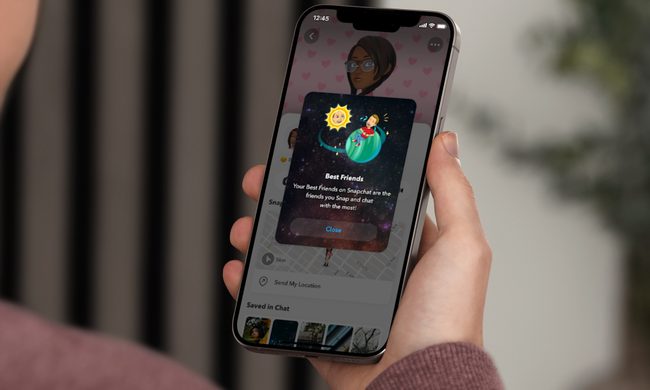
Snapchat Planets turns your best friends list into a solar system, and yes, your orbit says a lot
Snapchat Planets being shown on the Snapchat app on iPhone.

Snapchat is already packed with little symbols that can be weirdly hard to decode. You have streaks, emojis, badges, scores, Best Friends, and if you use Snapchat Plus, a tiny solar system that shows where you sit in someone’s closest-friends list.

The feature is called Friend Solar System, though most people just call it Snapchat Planets. It takes your position in a friend’s Snapchat orbit and turns it into a planet. From Mercury to Neptune, these celestial bodies signify how close a person is to you.

Read more
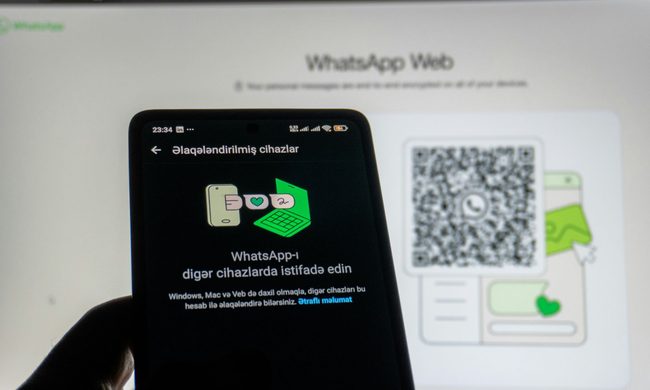
How to use WhatsApp Web
We'll show you how to use WhatsApp on your desktop or laptop
WhatsApp Web

As one of the most popular messaging services, you’ve already heard of WhatsApp. From its humble beginnings in 2009—two years before Apple introduced iMessage—to its acquisition by Facebook (now Meta) in 2014, WhatsApp has become the dominant messaging platform around the globe.

In recent years, it's grown even more potent with new features like video messages, self-destructing voice messages, the ability to edit sent messages, and more. We even finally got an WhatsApp iPad app in May 2025.

Read more
What is WhatsApp? How to use the app, tips, tricks, and more
From setting it up to mastering hidden features, here is your complete guide to WhatsApp.
Electronics, Phone, Mobile Phone

There's no shortage of messaging apps out there. The past decade has given us more options than we know what to do with, largely because smartphones demanded something better than plain old SMS.

Both the App Store and the Play Store are packed with apps that promise to revolutionize the way we communicate. Most of them didn't make it. The truth is, a messaging app is only as good as the number of people using it, and most apps never cross that threshold.

Read more