1. Home
  2. Mobile
  3. Legacy Archives

Apple makes 50 percent of all handset industry profits, says analyst

Add as a preferred source on Google
Apple iPhone 4
Image used with permission by copyright holder

Google Android may have Apple beat in terms of the totally number of users. But when it comes to making money, Apple reigns supreme. According to market analyst T. Michael Walkley of Canaccord Genuity, sales of Apple’s popular iPhone handset brought in 50 percent of all smartphone profits combined, in the first quarter of this year.

“Our [June] checks indicated continued strong sales of the iPhone 4, as it remained by far the top-selling smartphone at AT&T and Verizon despite the continued popularity of 4G smartphones and several new high-end Android smartphones,” said Walkley, who spoke with AppleInsider.

Recommended Videos

By Walkley’s count, iPhone 4 was by far the top-selling smartphone at Verizon, where it beat out all six new high-end Android devices, which include the HTC Thunderbolt and Incredible 2, Motorola Droid X2, Samsung Droid Charge, Sony Ericsson Play and the LG Revolution.

iPhone-Apple-sales
Image used with permission by copyright holder

Walkley says the iPhone 4 “will remain the top-selling smartphone at Verizon throughout 2011.” Despite this, he expects iPhone unit sales to drop from an earlier estimate of 16 percent to 15.2 percent. At that rate, Apple is still on track to sell 100 million iPhone units during the course of 2011.

During the same period, Walkley says that the number of devices running the Android operating system, from all companies, will rise from the 67.2 million units sold during 2010 to a total of about 329 million units sold throughout 2011.

Currently, Android devices make up about 45.3 percent of the market, more than any other OS. That compares to No. 2 Apple’s 15.6 percent share. By the end of this year, Walkley expects Android to account for about 50 percent of all smarphones sold.

Walkley expects the number of users with iOS-based gizmos — that includes all iPhones, iPads and iPod touch devices — to rise from 250 million in 2011 to about 415 million by the end of next year.

Andrew Couts
Features Editor for Digital Trends, Andrew Couts covers a wide swath of consumer technology topics, with particular focus on…
Snapchat Planets: What’s the order, and what do they mean?
Snapchat Planets turns your best friends list into a solar system, and yes, your orbit says a lot
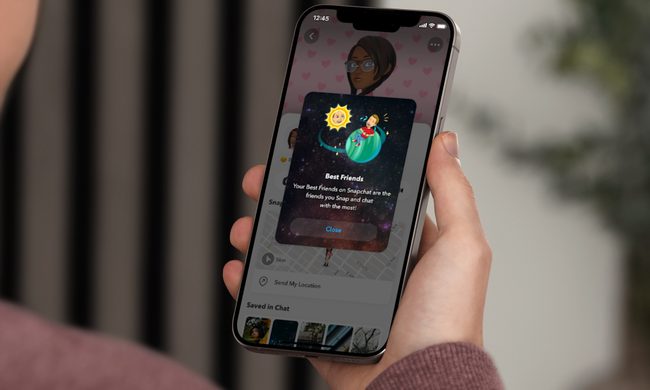
Snapchat Planets being shown on the Snapchat app on iPhone.

Snapchat is already packed with little symbols that can be weirdly hard to decode. You have streaks, emojis, badges, scores, Best Friends, and if you use Snapchat Plus, a tiny solar system that shows where you sit in someone’s closest-friends list.

The feature is called Friend Solar System, though most people just call it Snapchat Planets. It takes your position in a friend’s Snapchat orbit and turns it into a planet. From Mercury to Neptune, these celestial bodies signify how close a person is to you.

Read more
How to use WhatsApp Web
We'll show you how to use WhatsApp on your desktop or laptop
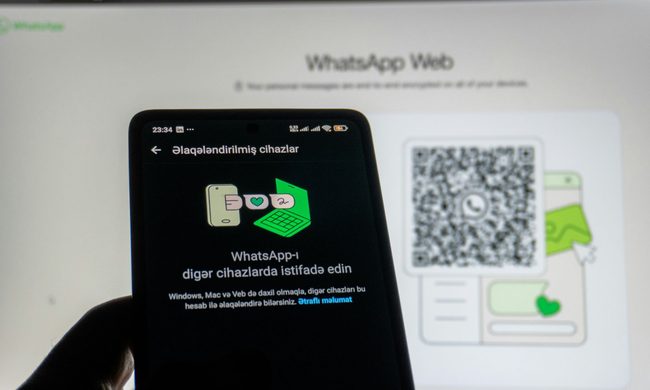
WhatsApp Web

As one of the most popular messaging services, you’ve already heard of WhatsApp. From its humble beginnings in 2009—two years before Apple introduced iMessage—to its acquisition by Facebook (now Meta) in 2014, WhatsApp has become the dominant messaging platform around the globe.

In recent years, it's grown even more potent with new features like video messages, self-destructing voice messages, the ability to edit sent messages, and more. We even finally got an WhatsApp iPad app in May 2025.

Read more
What is WhatsApp? How to use the app, tips, tricks, and more
From setting it up to mastering hidden features, here is your complete guide to WhatsApp.
WhatsApp app store listing open on iPhone

There's no shortage of messaging apps out there. The past decade has given us more options than we know what to do with, largely because smartphones demanded something better than plain old SMS.

Both the App Store and the Play Store are packed with apps that promise to revolutionize the way we communicate. Most of them didn't make it. The truth is, a messaging app is only as good as the number of people using it, and most apps never cross that threshold.

Read more