1. Home
  2. Mobile
  3. Legacy Archives

AT&T CEO likes the idea of unsubsidized smartphones, plans to watch T-Mobile closely

Add as a preferred source on Google
AT&T building logo
Image used with permission by copyright holder

Smartphone shoppers looking for value prices and flexible payment options may have another carrier to choose from. AT&T CEO Randall Stephenson recently said that he liked T-Mobile USA’s approach when it comes to removing smartphone subsidies from its plans.

The AT&T CEO expressed interest in this type of plan on Thursday during the carrier’s quarterly earnings conference call. Stephenson didn’t specify any actions that AT&T could take toward implementing new mobile payment options, but simply admitted that it was an attractive idea.

Recommended Videos

“We expect there to be some dynamics in the marketplace that –and we’ll have to respond to some of it, we find interesting like the handset financing that they’re doing,” Stephenson said when discussing T-Mobile’s proposed merger with MetroPCS.

The AT&T chief continued to say that the carrier has considered no-subsidy options in the past.

“That’s something we’ve looked at on several occasions,” he said, according to a transcript of the conference call published by Seeking Alpha. “I kind of like the idea, commend them for trying it. It will be something we’re going to [be] watching, how it is received in the market place. And in terms of other players, it’s just – it’s hard to say what the dynamic will be. But I think it will be just a little bit of open field running this year.”

T-Mobile’s Value plans essentially operate in the opposite manner of traditional carrier plans. While most carriers lower the price of a smartphone in exchange for a two-year binding contract, T-Mobile offers the option to pay for the phone in full for a cheaper monthly plan. Customers can also pay off the cost of their phone in monthly installments rather than all at once.

If AT&T decides to act on this idea, the carrier will join the likes of small scale carriers such as Leap Wireless, Cricket and Metro PCS. This wouldn’t be the first time a major U.S. carrier decided to roll out a value cost plan. In fact, Sprint’s recently announced pay-as-you-go service just launched today. The carrier announced this plan earlier this month, and will now offer contract-free service. 

Lisa Eadicicco
Former Digital Trends Contributor
Lisa Eadicicco is a technology and video game reporter based in New York City. She graduated from Purchase College in 2012…
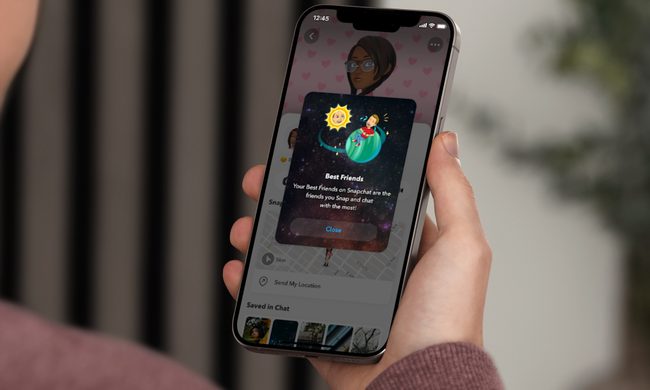
Snapchat Planets: What’s the order, and what do they mean?
Snapchat Planets turns your best friends list into a solar system, and yes, your orbit says a lot
Snapchat Planets being shown on the Snapchat app on iPhone.

Snapchat is already packed with little symbols that can be weirdly hard to decode. You have streaks, emojis, badges, scores, Best Friends, and if you use Snapchat Plus, a tiny solar system that shows where you sit in someone’s closest-friends list.

The feature is called Friend Solar System, though most people just call it Snapchat Planets. It takes your position in a friend’s Snapchat orbit and turns it into a planet. From Mercury to Neptune, these celestial bodies signify how close a person is to you.

Read more
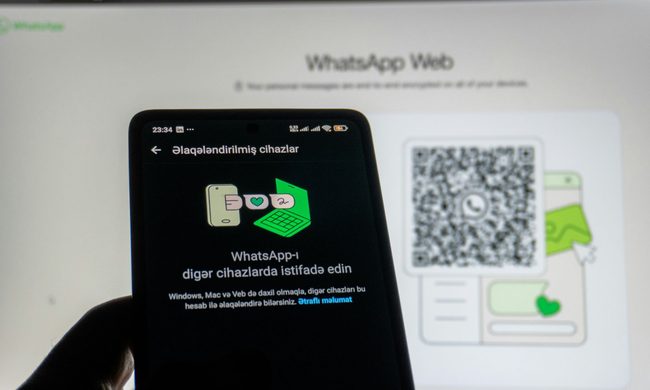
How to use WhatsApp Web
We'll show you how to use WhatsApp on your desktop or laptop
WhatsApp Web

As one of the most popular messaging services, you’ve already heard of WhatsApp. From its humble beginnings in 2009—two years before Apple introduced iMessage—to its acquisition by Facebook (now Meta) in 2014, WhatsApp has become the dominant messaging platform around the globe.

In recent years, it's grown even more potent with new features like video messages, self-destructing voice messages, the ability to edit sent messages, and more. We even finally got an WhatsApp iPad app in May 2025.

Read more
What is WhatsApp? How to use the app, tips, tricks, and more
From setting it up to mastering hidden features, here is your complete guide to WhatsApp.
Electronics, Phone, Mobile Phone

There's no shortage of messaging apps out there. The past decade has given us more options than we know what to do with, largely because smartphones demanded something better than plain old SMS.

Both the App Store and the Play Store are packed with apps that promise to revolutionize the way we communicate. Most of them didn't make it. The truth is, a messaging app is only as good as the number of people using it, and most apps never cross that threshold.

Read more