1. Home
  2. Mobile
  3. Apple
  4. Wearables
  5. News

Gorilla Glass 5 is coming to protect your phone from all those accidental drops

Add as a preferred source on Google

Your smartphone’s glass is about to get a whole lot stronger. Corning today unveiled the fifth generation of its Gorilla Glass, which it touts as being able to survive 1.6 meter (5.25 feet) drops as much as 80 percent of the time.

Gorilla Glass is known for its strength, and is used by a huge range of phone manufacturers — in fact, according to Corning, Gorilla Glass is or has been used by all major device manufacturers at some point, even if they don’t disclose it.

Recommended Videos

Perhaps what sets Gorilla Glass 5 apart from previous versions of the glass is that it was tested to be able to survive everyday drops — while Gorilla Glass 4 was tested for 1 meter (3.3 feet) drops, Corning found that most phones are actually dropped from a little higher than that. That’s why it wanted to develop a glass that could handle 1.6 meter drops — so that if you drop your device while walking around and texting, it’s still going to be able to survive the drop. In fact, according to Corning, two thirds of drops happen from waist height or even higher, making it important that the glass on the device is able to withstand such drops.

Of course, the goal isn’t just to make glass stronger — it’s also to make it thinner. The thickness of Gorilla Glass ranges from around 0.3mm to 1mm, however Corning says it’s testing glass in the 0.1 to 0.2mm range as well, something that could eventually help make phones and wearables thinner while retaining the same strength as previous iterations of Gorilla Glass and even making it stronger.

Unfortunately, Gorilla Glass 5 isn’t available on any devices just yet, but Corning says that manufacturers will start announcing devices featuring it in the next few months and that devices with the new glass will ship before the end of the year.

Christian de Looper
Christian de Looper is a long-time freelance writer who has covered every facet of the consumer tech and electric vehicle…
Snapchat Planets: What’s the order, and what do they mean?
Snapchat Planets turns your best friends list into a solar system, and yes, your orbit says a lot
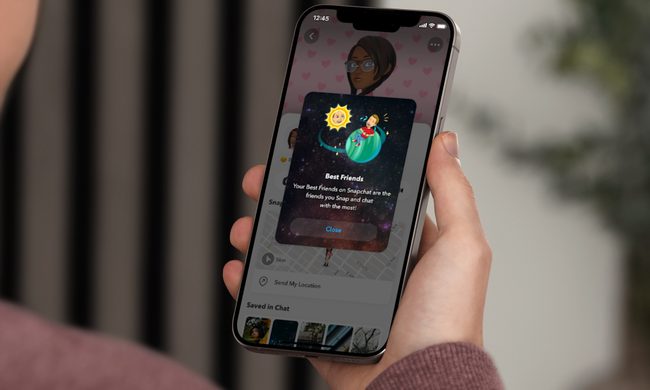
Snapchat Planets being shown on the Snapchat app on iPhone.

Snapchat is already packed with little symbols that can be weirdly hard to decode. You have streaks, emojis, badges, scores, Best Friends, and if you use Snapchat Plus, a tiny solar system that shows where you sit in someone’s closest-friends list.

The feature is called Friend Solar System, though most people just call it Snapchat Planets. It takes your position in a friend’s Snapchat orbit and turns it into a planet. From Mercury to Neptune, these celestial bodies signify how close a person is to you.

Read more
How to use WhatsApp Web
We'll show you how to use WhatsApp on your desktop or laptop
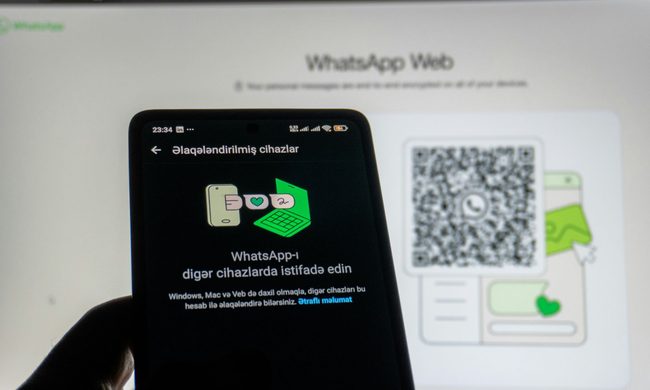
WhatsApp Web

As one of the most popular messaging services, you’ve already heard of WhatsApp. From its humble beginnings in 2009—two years before Apple introduced iMessage—to its acquisition by Facebook (now Meta) in 2014, WhatsApp has become the dominant messaging platform around the globe.

In recent years, it's grown even more potent with new features like video messages, self-destructing voice messages, the ability to edit sent messages, and more. We even finally got an WhatsApp iPad app in May 2025.

Read more
What is WhatsApp? How to use the app, tips, tricks, and more
From setting it up to mastering hidden features, here is your complete guide to WhatsApp.
Electronics, Phone, Mobile Phone

There's no shortage of messaging apps out there. The past decade has given us more options than we know what to do with, largely because smartphones demanded something better than plain old SMS.

Both the App Store and the Play Store are packed with apps that promise to revolutionize the way we communicate. Most of them didn't make it. The truth is, a messaging app is only as good as the number of people using it, and most apps never cross that threshold.

Read more