1. Home
  2. Mobile
  3. Legacy Archives

FCC to investigate Bay Area Rapid Transit (BART) for blocking wireless communication

Add as a preferred source on Google
Image used with permission by copyright holder

Last Friday we reported how the San Francisco bay area’s mass transit service, BART, had admitted to shutting down the cell signals of four stations in anticipation of protests over a man being shot dead by police. The organizers had said they would use mobile devices to coordinate protests (what else would they use?) and BART authorities said they had “temporarily interrupted service at select BART stations as one of many tactics to ensure the safety of everyone on the platform.”

Many pleaded for the hacktivist group, Anonymous, to retaliate for the suppression of speech and they did so this morning, taking down the BART website and replacing it with their own message.

Recommended Videos

Now, the Federal Communications Commission has stepped in to investigate BART’s tactics. FCC spokesman Neil Grace made the following statement: “Any time communications services are interrupted, we seek to assess the situation. We are continuing to collect information about BART’s actions and will be taking steps to hear from stakeholders about the important issues those actions raised, including protecting public safety and ensuring the availability of communications networks.”

Not only is the Federal Government interested and investigating but so are two major bodies of San Francisco infrastructure. Mayor Ed Lee’s office and the Amalgamated Transit Union Local 1555, which represents BART train drivers have expressed displeasure. Both offices noted, separately, that they would be opening dialogue and demanding answers for what is largely being perceived as a unilateral decision.

We live in an age where squashing cell phone signals is directly associated with political suppression. BART likely did not consider the global perceptions of their actions carefully enough before silencing protestors demanding answers for the death of man at the hands of the police.

Caleb Garling
Former Digital Trends Contributor
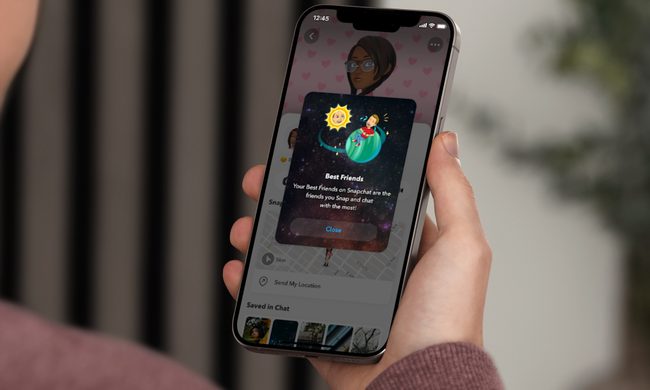
Snapchat Planets: What’s the order, and what do they mean?
Snapchat Planets turns your best friends list into a solar system, and yes, your orbit says a lot
Snapchat Planets being shown on the Snapchat app on iPhone.

Snapchat is already packed with little symbols that can be weirdly hard to decode. You have streaks, emojis, badges, scores, Best Friends, and if you use Snapchat Plus, a tiny solar system that shows where you sit in someone’s closest-friends list.

The feature is called Friend Solar System, though most people just call it Snapchat Planets. It takes your position in a friend’s Snapchat orbit and turns it into a planet. From Mercury to Neptune, these celestial bodies signify how close a person is to you.

Read more
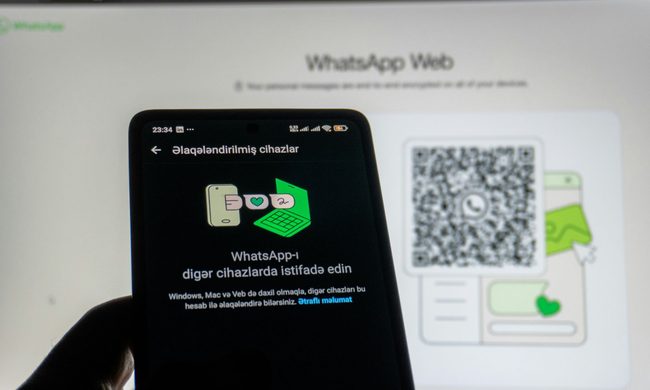
How to use WhatsApp Web
We'll show you how to use WhatsApp on your desktop or laptop
WhatsApp Web

As one of the most popular messaging services, you’ve already heard of WhatsApp. From its humble beginnings in 2009—two years before Apple introduced iMessage—to its acquisition by Facebook (now Meta) in 2014, WhatsApp has become the dominant messaging platform around the globe.

In recent years, it's grown even more potent with new features like video messages, self-destructing voice messages, the ability to edit sent messages, and more. We even finally got an WhatsApp iPad app in May 2025.

Read more
What is WhatsApp? How to use the app, tips, tricks, and more
From setting it up to mastering hidden features, here is your complete guide to WhatsApp.
Electronics, Phone, Mobile Phone

There's no shortage of messaging apps out there. The past decade has given us more options than we know what to do with, largely because smartphones demanded something better than plain old SMS.

Both the App Store and the Play Store are packed with apps that promise to revolutionize the way we communicate. Most of them didn't make it. The truth is, a messaging app is only as good as the number of people using it, and most apps never cross that threshold.

Read more