  1. Home
  2. Mobile
  3. Android
  4. Legacy Archives

Google Glass software update brings Google+ notifications

Add as a preferred source on Google
google glasses augmented reality vision brain memory
Image used with permission by copyright holder

When Google Glass first hit the scene, we knew that Google would be rolling out additional features as often as possible. With technology as new as this, the entirety of the project is a learning process both for consumers and Google.

On Tuesday night, Google released the first software update for the lucky individuals chosen for the Explorer program, able to try out Google’s wearable headset before the rest of the world. Even if they had to pay handsomely for it.

Recommended Videos

The update adds several new features and optimizes a few others. The most notable update is deeper Google+ integration, specifically the delivery of incoming notifications about comments, mention, and Hangout requests. You will also be able to comment and +1 posts from Glass. It makes sense that Google+ would be the first social network focused on with Glass, but hopefully Facebook and Twitter get a similar treatment soon.

Other notable updates are an improved battery life estimation, quicker transcription, and crash reporting. An odd inclusion is a new charge to sync policy that requires the device be connected to a charger with an active Wi-Fi connection before it will allow background downloads, probably implemented to address criticisms of Glass’ short battery life.

The complete list of tweaks and additions are below, courtesy of the changelog:

  • Change to sync policy: require power + Wi-Fi for background uploads
  • Crash reporting
  • Incoming G+ notifications (direct shares, comments, +mentions), including ability to comment and +1
  • Incoming Hangout notifications
  • Transcription of queries & messages is now wicked-fast
  • Long-press to search from anywhere in the UI (no longer just from off)
  • International number dialing + SMS
  • Hop animation on disallowed swipes in the UI
  • New On-Head Detection calibration flow
  • Show device Serial Number on Device Info card
  • More reliable estimation of battery charge remaining
  • New recipient-list mosaic
Andrew Kalinchuk
Andrew covers news and opinions pertaining to smartphones, tablets, and all else mobile for Digital Trends. He recently…
Snapchat Planets: What’s the order, and what do they mean?
Snapchat Planets turns your best friends list into a solar system, and yes, your orbit says a lot
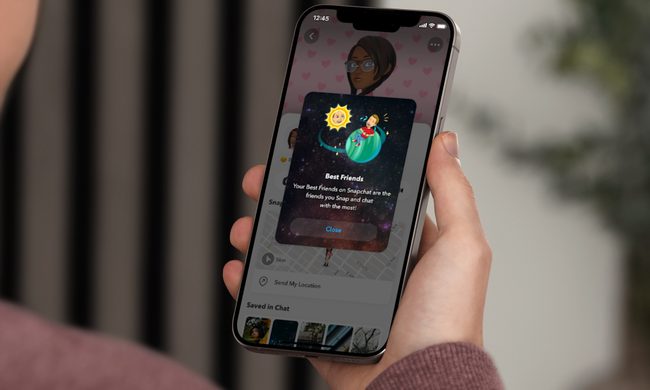
Snapchat Planets being shown on the Snapchat app on iPhone.

Snapchat is already packed with little symbols that can be weirdly hard to decode. You have streaks, emojis, badges, scores, Best Friends, and if you use Snapchat Plus, a tiny solar system that shows where you sit in someone’s closest-friends list.

The feature is called Friend Solar System, though most people just call it Snapchat Planets. It takes your position in a friend’s Snapchat orbit and turns it into a planet. From Mercury to Neptune, these celestial bodies signify how close a person is to you.

Read more
How to use WhatsApp Web
We'll show you how to use WhatsApp on your desktop or laptop
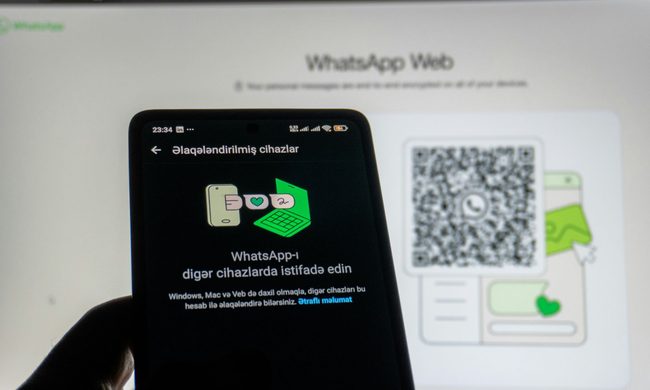
WhatsApp Web

As one of the most popular messaging services, you’ve already heard of WhatsApp. From its humble beginnings in 2009—two years before Apple introduced iMessage—to its acquisition by Facebook (now Meta) in 2014, WhatsApp has become the dominant messaging platform around the globe.

In recent years, it's grown even more potent with new features like video messages, self-destructing voice messages, the ability to edit sent messages, and more. We even finally got an WhatsApp iPad app in May 2025.

Read more
What is WhatsApp? How to use the app, tips, tricks, and more
From setting it up to mastering hidden features, here is your complete guide to WhatsApp.
Electronics, Phone, Mobile Phone

There's no shortage of messaging apps out there. The past decade has given us more options than we know what to do with, largely because smartphones demanded something better than plain old SMS.

Both the App Store and the Play Store are packed with apps that promise to revolutionize the way we communicate. Most of them didn't make it. The truth is, a messaging app is only as good as the number of people using it, and most apps never cross that threshold.

Read more