1. Home
  2. Mobile
  3. Legacy Archives

Google Labs Gets Into the 411 Business

Add as a preferred source on Google

Google Labs has taken the wraps off a new experimental service, Google Voice Local Search, or "Goog 411." The idea is to apply speech recognition and speech synthesis technology to offer local business searches via standard telephones: users just call the service, follow the automated system to enter their queries, and receive results. Goog 411 can even send search results to callers as a text message, saving them the trouble of trying to write down a critical address or phone number while on the go. And, although the service is experimental and may go offline, misbehave, or act strangely, it is available for free in English to U.S. callers. Searches currently cover U.S. business listings.

To access the service, users simply call 800/GOOG-411 (that’s 800/466-4411) from any phone and follow the automated system. The service applies speech recognition technologies to figure out what you’re searching for, and using speech synthesis to read the results back to you. Users can receive their results as a text message to their current number by saying "text message, and Goog 411 can connect users directly to a found business. Unlike some other automated 411 services, Goog 411 users can’t be connected to a live operator, so users searching for something the system doesn’t understand may have to get creative with their mispronunciations or try searching for general terms rather than a specific, mis-understood term.

Recommended Videos

Google isn’t the first to get into free 411 services—AT&T already offers its 1-800-YellowPages service, and Free 411 has been around for a while, but Google’s growing ubiquity increasingly means businesses are as concerned (or more concerned) with getting their information to Google than they might be about updating local phone directories.

Google hasn’t announced any plans for Goog 411; it may be safe to assume that the company might tie Goog 411 into the company’s advertising machine if it proves successful.

Geoff Duncan
Former Contributor
Geoff Duncan writes, programs, edits, plays music, and delights in making software misbehave. He's probably the only member…
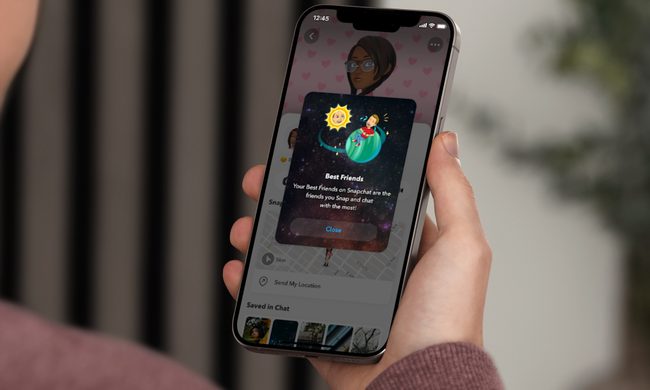
Snapchat Planets: What’s the order, and what do they mean?
Snapchat Planets turns your best friends list into a solar system, and yes, your orbit says a lot
Snapchat Planets being shown on the Snapchat app on iPhone.

Snapchat is already packed with little symbols that can be weirdly hard to decode. You have streaks, emojis, badges, scores, Best Friends, and if you use Snapchat Plus, a tiny solar system that shows where you sit in someone’s closest-friends list.

The feature is called Friend Solar System, though most people just call it Snapchat Planets. It takes your position in a friend’s Snapchat orbit and turns it into a planet. From Mercury to Neptune, these celestial bodies signify how close a person is to you.

Read more
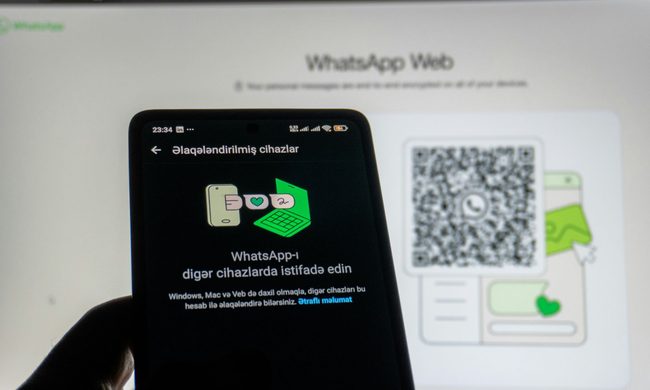
How to use WhatsApp Web
We'll show you how to use WhatsApp on your desktop or laptop
WhatsApp Web

As one of the most popular messaging services, you’ve already heard of WhatsApp. From its humble beginnings in 2009—two years before Apple introduced iMessage—to its acquisition by Facebook (now Meta) in 2014, WhatsApp has become the dominant messaging platform around the globe.

In recent years, it's grown even more potent with new features like video messages, self-destructing voice messages, the ability to edit sent messages, and more. We even finally got an WhatsApp iPad app in May 2025.

Read more
What is WhatsApp? How to use the app, tips, tricks, and more
From setting it up to mastering hidden features, here is your complete guide to WhatsApp.
Electronics, Phone, Mobile Phone

There's no shortage of messaging apps out there. The past decade has given us more options than we know what to do with, largely because smartphones demanded something better than plain old SMS.

Both the App Store and the Play Store are packed with apps that promise to revolutionize the way we communicate. Most of them didn't make it. The truth is, a messaging app is only as good as the number of people using it, and most apps never cross that threshold.

Read more