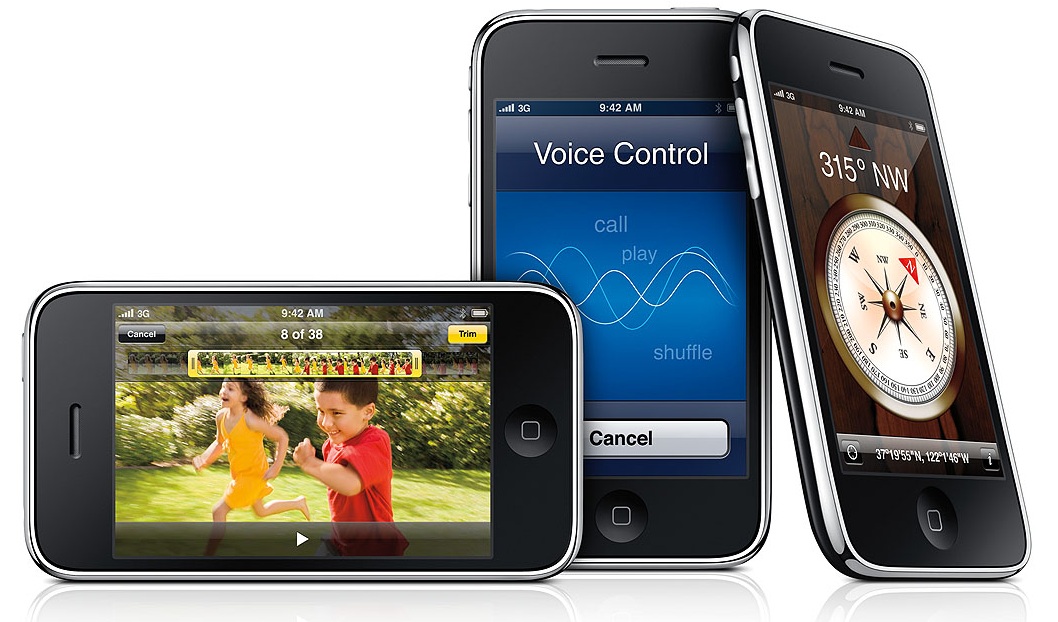
On Monday August 22, Best Buy will be giving away the iPhone 3GS with a two-year activation contract from AT&T according to a leaked snapshot of an in-store advertisement published at Techbuffalo. The iPhone 3GS sells for $49.99 with activation normally, but this promotion is likely a tactic to clear out stock for the upcoming announcements of the iPhone 5 as well as a potential announcement of a less expensive iPhone 4. It’s likely that Apple will discontinue the iPhone 3GS during the announcement as well. This is the second time that Best Buy has rolled out a single day promotion for the iPhone 3GS. The first time was in early December 2010 and the cost was also free with activation.
 Apple is still continuing to build the iPhone 3GS though. Apple recently ordered about 56 million iPhones, half of which are the new iPhone 5 and half of which are made up with iPhone 4 models as well as the iPhone 3GS. Based off an increase of 14 million iPhone 5 handsets to 20 million in the order, Apple expects demand of the iPhone 5 to be astronomical in the fourth quarter of 2011. It’s rumored that the new phone will utilize the dual-core A5 processor found in the iPad 2, a larger display screen size and a 8-megapixel camera built by Sony. Other rumors include a possibility or two versions of the phone as well as 4G compatibility.
AT&T was also rumored to be installing 4G LTE equipment in Apple stores this week, but it’s unlikely that the iPhone 5 will take advantage of 4G speeds due to AT&T’s slow progress in upgrading its network. Verizon has a strategic advantage in providing a higher level of 4G access to consumers, but it’s unclear if Apple wants to include 4G functionality in the iPhone 5 while the infrastructure is still being built on both services.