  1. Home
  2. Phones
  3. Mobile
  4. News

It sure looks like the Samsung Galaxy Z Flip 7 won’t have a Snapdragon chip

Add as a preferred source on Google
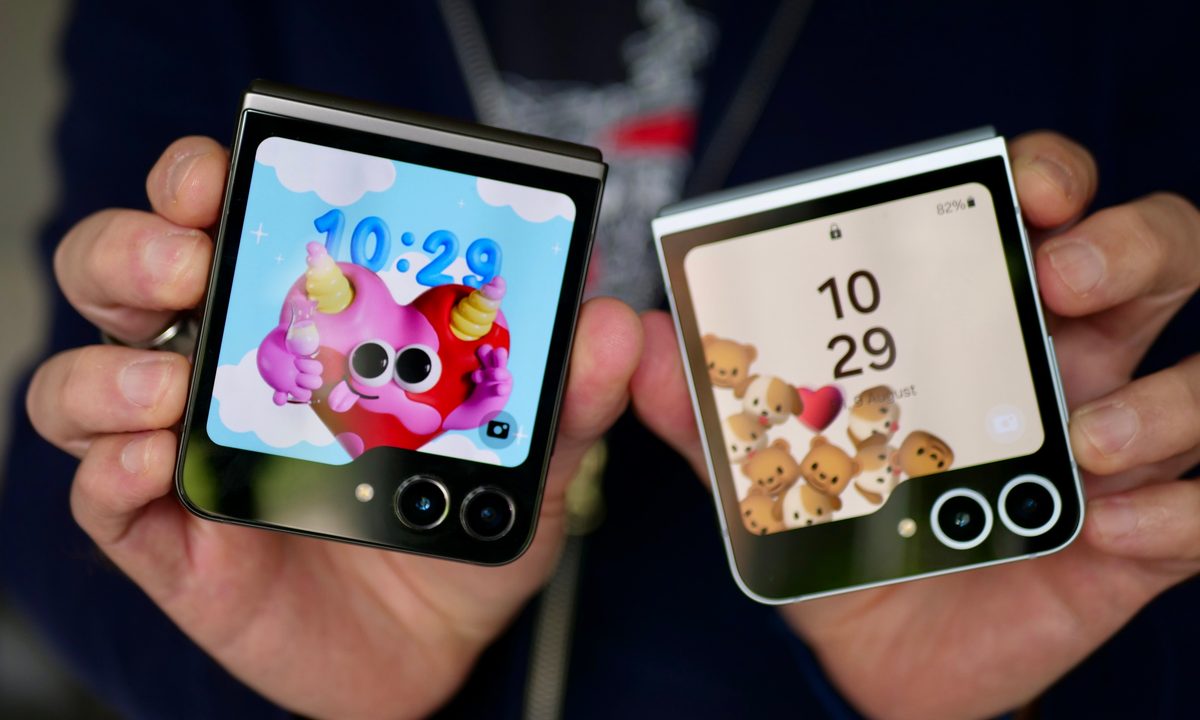
A person holding the Samsung Galaxy Z Flip 6 and Samsung Galaxy Z Flip 5 showing the cover screens.
Samsung Galaxy Z Flip 6 (left) and Samsung Galaxy Z Flip 5 Andy Boxall / Digital Trends

The biggest news about Samsung’s upcoming Galaxy Z Flip 7 foldable continues to be its likely chipset. Once again, there’s a rumor that says the company is ditching Qualcomm and instead using an in-house Exynos chip on the new phone, which is expected to launch sometime next summer.

According to The Elec, the Galaxy Z Flip 7 will be equipped with a Samsung Exynos 2500 chip. Historically, every Galaxy Z Flip model has utilized a Qualcomm Snapdragon chipset. This information is consistent with earlier news from this month. Like the earlier news, this information is said to come from a high-ranking official at Samsung.

Recommended Videos

Samsung is expected to launch the Galaxy S25 series next month, including the Galaxy S25, Galaxy S25 Plus, and Galaxy S25 Ultra models. These devices are likely to feature the Snapdragon 8 Elite chipset. In previous years, the chip in these phones was also found on the latest Galaxy Z Flip and Galaxy Z Fold models. However, the carryover is expected only with the Galaxy Z Fold 7 in 2025.

It’s unknown just how powerful the Samsung Exynos 2500 chip will be. However, it’s expected to be manufactured using a 3nm process — just like the Snapdragon 8 Elite.

Besides a new chipset, the Galaxy Z Flip 7 will likely have a larger display than its predecessor, the Galaxy Z Flip 6. The new model is anticipated to feature a 6.85-inch foldable display and a 4-inch cover display. The Galaxy Z Flip 6 has a 6.7-inch primary and 3.4-inch cover display.

The Galaxy Z Flip 7 and Galaxy Z Fold 7 should be announced towards the middle of 2025.

Bryan M. Wolfe
Former Mobile and A/V Freelancer
Bryan M. Wolfe has over a decade of experience as a technology writer. He writes about mobile.
Audible just launched a rewards program that pays you back for listening every day
Audible Rewards is now live in the US as a free loyalty program for Standard and Premium members
audible-rewards-program

If you already spend a good chunk of your day listening to audiobooks, Audible wants to start rewarding you for it. The company has launched Audible Rewards, a new program that turns your everyday listening habits into perks, discounts, and exclusive goodies.

It is free to join through the Audible app, website, or Amazon.com, and it is available to both Standard and Premium plan members in the US starting today across iOS, Android, and web.

Read more
Android will now warn you if someone is using AI to fake your contact’s voice on a call
Google's fake call detection is the first time a phone platform has built a real-time cryptographic defense against AI voice cloning scams.
Android fake call detection featured.

Yes, advancements in AI help people from different walks of life, but they have some cons. One of the most exploited con has been AI voice cloning. Over the years, it has reached the point where most people can no longer tell a deepfake voice from a real one. 

Scammers already know this, and they’ve been spoofing users’ contacts, cloning their voice, and committing financial frauds for quite some time. Android's new fake call detection is designed to stop that exact scenario before it costs you.

Read more
The Vivo X300 Ultra is making all camera phones look bad, and here’s why
Vivo X300 Ultra isn't the camera you need, but deserve
Vivo X300 Ultra

For years, smartphone brands have promised “DSLR-like” photography. Most improved image processing, added bigger sensors, or stacked more cameras onto the back. But the Vivo X300 Ultra takes a very different approach - it does not just want to mimic a camera, it wants to behave like one.

From external telephoto lenses and physical camera controls to filter support and tripod mounting, Vivo’s latest Ultra flagship feels closer to a modular photography system than a traditional smartphone. The company is no longer simply chasing better smartphone photos; it is targeting creators who would normally carry a mirrorless camera in their bag.

Read more