1. Home
  2. Mobile
  3. Legacy Archives

LG plans a worldwide rollout for the Optimus G after solid sales

Add as a preferred source on Google
Image used with permission by copyright holder

It looks like LG is going global with its Optimus G smartphone. The electronics maker officially announced that the Android-powered device will make its way to more than 50 countries this month.

“As 4G LTE availability expands on a global scale, we will leverage our strong LTE technology and expertise to offer consumers the best 4G experience through our devices,” Dr. Jong-seok Park, president and CEO of LG Electronics Mobile Communications Company said in a statement. “With the latest Jelly Bean OS and improved software, Optimus G will make a strong case for the title of ultimate premium 4G LTE smartphone.”

Recommended Videos

LG has not unveiled any formal plans specific to any country, but Gizmodo Australia reports that the smartphone will arrive in the continent “down under” this March. However, it will be exclusive to Telstra upon launch.

The 4.7-inch device made its official debut in the United States, South Korea and Europe this past fall, and it will soon expand around the globe. LG appears to be touting its 4G capabilities as the flagship feature of its Optimus G.

“LG’s long history of LTE know-how is evident in the DNA of the Optimus G,” Dr. Park also said. “As such, we hope consumers will take a deep, hard look at Optimus G when deciding which smartphone will give them the best 4G experience.”

This news comes just as excitement begins to mount for the Optimus G’s rumored successor – simply dubbed the Optimus G Pro. Just last week, a tipster sent Engadget what appears to be images and a potential specifications list for the Optimus G Pro. The forthcoming LG device is expected to come with a 5-inch display with a resolution of 1,920 x 1,080 pixels and a 1.7GHz Snapdragon S4 Pro processor. Other rumored specs worth mentioning include a whopping 3,000mAh battery, 2GB of RAM, 32GB of memory and 4G LTE connectivity.

The LG Optimus G marked a significant step for LTE, seeing as it was the first device to incorporate this speedier connectivity with the Snapdragon S4 Pro processing unit. Check out our review of the handset here.

Lisa Eadicicco
Former Digital Trends Contributor
Lisa Eadicicco is a technology and video game reporter based in New York City. She graduated from Purchase College in 2012…
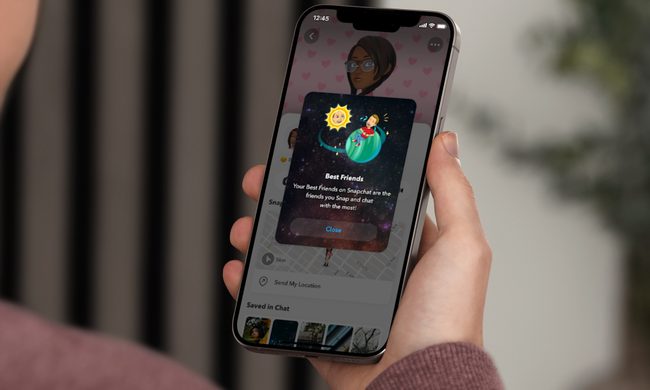
Snapchat Planets: What’s the order, and what do they mean?
Snapchat Planets turns your best friends list into a solar system, and yes, your orbit says a lot
Snapchat Planets being shown on the Snapchat app on iPhone.

Snapchat is already packed with little symbols that can be weirdly hard to decode. You have streaks, emojis, badges, scores, Best Friends, and if you use Snapchat Plus, a tiny solar system that shows where you sit in someone’s closest-friends list.

The feature is called Friend Solar System, though most people just call it Snapchat Planets. It takes your position in a friend’s Snapchat orbit and turns it into a planet. From Mercury to Neptune, these celestial bodies signify how close a person is to you.

Read more
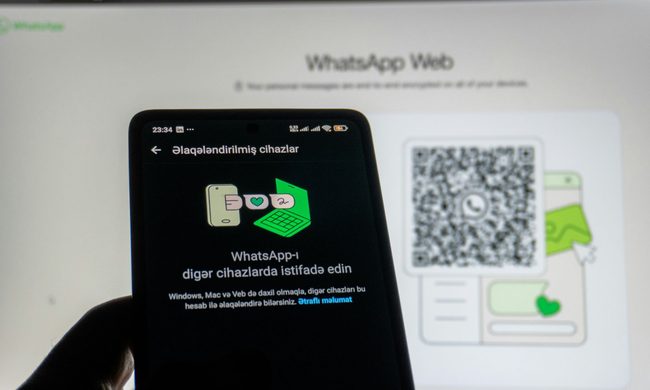
How to use WhatsApp Web
We'll show you how to use WhatsApp on your desktop or laptop
WhatsApp Web

As one of the most popular messaging services, you’ve already heard of WhatsApp. From its humble beginnings in 2009—two years before Apple introduced iMessage—to its acquisition by Facebook (now Meta) in 2014, WhatsApp has become the dominant messaging platform around the globe.

In recent years, it's grown even more potent with new features like video messages, self-destructing voice messages, the ability to edit sent messages, and more. We even finally got an WhatsApp iPad app in May 2025.

Read more
What is WhatsApp? How to use the app, tips, tricks, and more
From setting it up to mastering hidden features, here is your complete guide to WhatsApp.
Electronics, Phone, Mobile Phone

There's no shortage of messaging apps out there. The past decade has given us more options than we know what to do with, largely because smartphones demanded something better than plain old SMS.

Both the App Store and the Play Store are packed with apps that promise to revolutionize the way we communicate. Most of them didn't make it. The truth is, a messaging app is only as good as the number of people using it, and most apps never cross that threshold.

Read more