1. Home
  2. Mobile
  3. Android
  4. Legacy Archives

Google patents radial menu: Android could get its own right mouse click

Add as a preferred source on Google

Smartphone makers and OS builders alike are constantly filing new patents to keep up with the competition in the intellectual property arms race. Google’s latest patent calls upon a new radial menu design for inclusion in a future OS, lending itself very much to Samsung’s own radial menu design.

Radial menus are nothing new to smartphones. Android itself had a radial menu way back with the tablet-oriented Honeycomb (Android 3.0) version of the OS. More recently, Samsung’s Note 3 smartphone features a radial menu in its Air Command feature, which appears once an S Pen stylus has been removed from the device. This new patent features a much more in-depth type of menu design compared to Air Command or nay other menu design, offering deeper options, much like a right click of your mouse might offer on Windows.

Recommended Videos

The patent details the menu to work based upon touch input. You would pinch your forefinger outward from your thumb, revealing a radial menu. The menu then can offer a selection of menus and submenus for the user to choose from. According to the patent, the menu system can determine the right size and type of menu depending on the circumstances of the smartphone, as well as the type of device in use.

We must note that a patent proves nothing about Google’s intention to use the technology. Tech companies, Google included, are notorious for filing as many patents as they can to keep a legal edge on the competition whenever there’s innovation. Still, a radial menu design is certainly an attractive option for many smartphone owners, and Samsung has proven with its own radial menu in the Note 3 that it’s something they’re interested in, too. We’ll have to wait and see though to find out if there’s any significance to this new menu design.

Joshua Sherman
Joshua Sherman is a contributor for Digital Trends who writes about all things mobile from Apple to Zynga. Josh pulls his…
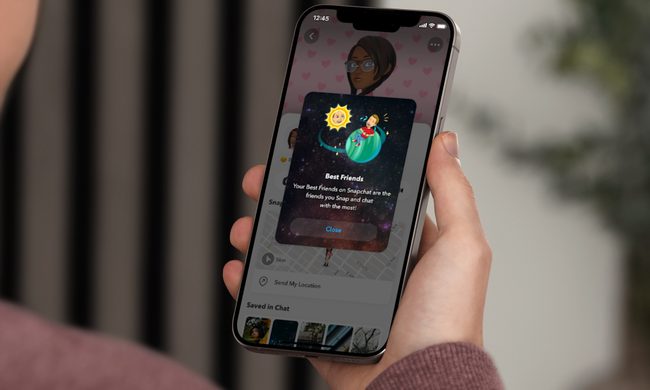
Snapchat Planets: What’s the order, and what do they mean?
Snapchat Planets turns your best friends list into a solar system, and yes, your orbit says a lot
Snapchat Planets being shown on the Snapchat app on iPhone.

Snapchat is already packed with little symbols that can be weirdly hard to decode. You have streaks, emojis, badges, scores, Best Friends, and if you use Snapchat Plus, a tiny solar system that shows where you sit in someone’s closest-friends list.

The feature is called Friend Solar System, though most people just call it Snapchat Planets. It takes your position in a friend’s Snapchat orbit and turns it into a planet. From Mercury to Neptune, these celestial bodies signify how close a person is to you.

Read more
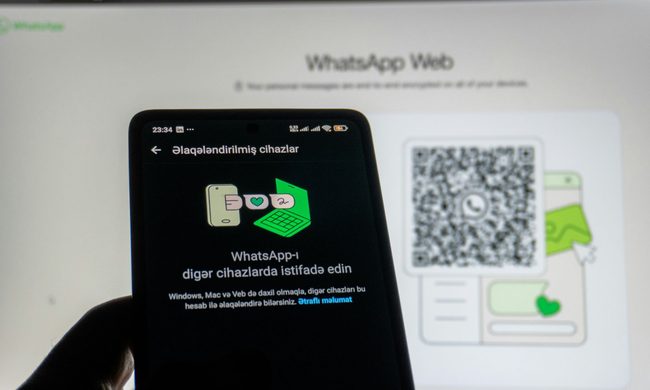
How to use WhatsApp Web
We'll show you how to use WhatsApp on your desktop or laptop
WhatsApp Web

As one of the most popular messaging services, you’ve already heard of WhatsApp. From its humble beginnings in 2009—two years before Apple introduced iMessage—to its acquisition by Facebook (now Meta) in 2014, WhatsApp has become the dominant messaging platform around the globe.

In recent years, it's grown even more potent with new features like video messages, self-destructing voice messages, the ability to edit sent messages, and more. We even finally got an WhatsApp iPad app in May 2025.

Read more
What is WhatsApp? How to use the app, tips, tricks, and more
From setting it up to mastering hidden features, here is your complete guide to WhatsApp.
Electronics, Phone, Mobile Phone

There's no shortage of messaging apps out there. The past decade has given us more options than we know what to do with, largely because smartphones demanded something better than plain old SMS.

Both the App Store and the Play Store are packed with apps that promise to revolutionize the way we communicate. Most of them didn't make it. The truth is, a messaging app is only as good as the number of people using it, and most apps never cross that threshold.

Read more