1. Home
  2. Mobile
  3. Android
  4. Legacy Archives

Nokia’s loses another $200 million, but another Lumia is on the way

Add as a preferred source on Google

nokia-lumia-800After their first gain in almost two years last quarter, Nokia has posted an operating loss of $196 million (PDF), on around $7.65 billion in revenue. This comes even as they’ve shown record sales of their Lumia phone line, at 5.6 million.

While Nokia’s overall mobile performance fell 31 percent outside of the Lumia, and their other “Smart Devices” fell 32 percent, the Lumia got a 27 percent boost from last quarter. Serving as Microsoft’s flagship Windows Phone, the Lumia has led to good news overall for the company  – even as they lost nearly $200 million in operating funds, they rose up from $5.69 billion to $5.85 billion in cash and liquid assets.

Recommended Videos

Nokia CEO Stephen Elop hinted today that a new Lumia device would be coming on a U.S. carrier by year’s end. It’s most likely the rumored Lumia “Catwalk.” If the early word on it’s legitimate, we should expect a metal case and a typically aggressive Microsoft ad campaign.

They also took a loss in units shipped to North America – 400,000 devices, down from 700,000 last quarter. More and more carriers are paying attention to Nokia recently, but they’ve gotta figure out how to consistently overhaul their US advertising strategy. When we see the Catwalk in Windows Phone ads, we have to get excited enough to switch, and at this point in the mobile industry’s take-off period, that takes a dynamic and immersive campaign. More importantly, it takes a fundamental understanding of how to convey what’s new about Catwalk, and why we should care.

We’ve all seen Windows Phone ads – colorful,  with focus on the OS’  layout. If Nokia wants to keep its North American presence on the rise without taking quarterly losses, it has to take that campaign a step further, building on our familiarity with it, and showing us what’s new about Catwalk aside from its shiny metal shell.

Saul Berenbaum
Former Digital Trends Contributor
Saul Berenbaum has been writing film and gaming reviews since college. Recently, he contributed to HardcoreDroid. Now he…
Snapchat Planets: What’s the order, and what do they mean?
Snapchat Planets turns your best friends list into a solar system, and yes, your orbit says a lot
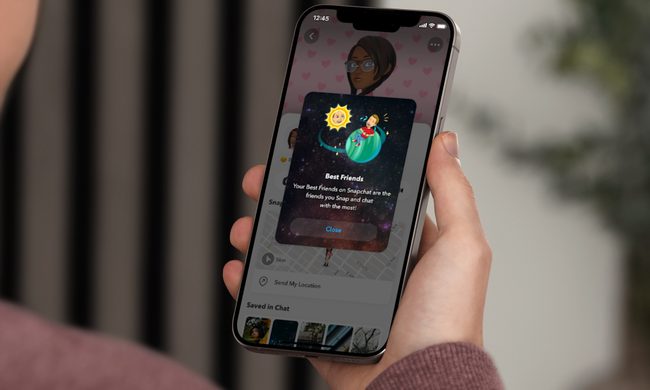
Snapchat Planets being shown on the Snapchat app on iPhone.

Snapchat is already packed with little symbols that can be weirdly hard to decode. You have streaks, emojis, badges, scores, Best Friends, and if you use Snapchat Plus, a tiny solar system that shows where you sit in someone’s closest-friends list.

The feature is called Friend Solar System, though most people just call it Snapchat Planets. It takes your position in a friend’s Snapchat orbit and turns it into a planet. From Mercury to Neptune, these celestial bodies signify how close a person is to you.

Read more
How to use WhatsApp Web
We'll show you how to use WhatsApp on your desktop or laptop
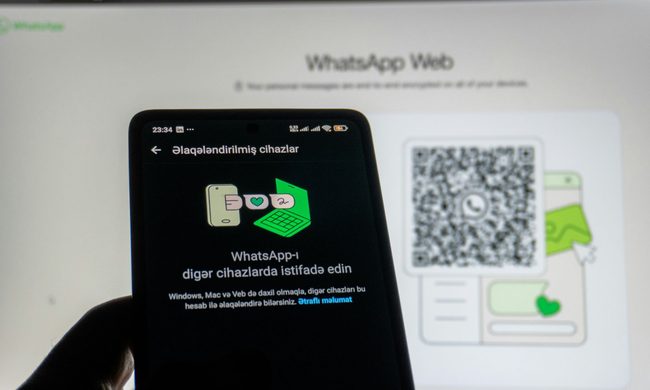
WhatsApp Web

As one of the most popular messaging services, you’ve already heard of WhatsApp. From its humble beginnings in 2009—two years before Apple introduced iMessage—to its acquisition by Facebook (now Meta) in 2014, WhatsApp has become the dominant messaging platform around the globe.

In recent years, it's grown even more potent with new features like video messages, self-destructing voice messages, the ability to edit sent messages, and more. We even finally got an WhatsApp iPad app in May 2025.

Read more
What is WhatsApp? How to use the app, tips, tricks, and more
From setting it up to mastering hidden features, here is your complete guide to WhatsApp.
Electronics, Phone, Mobile Phone

There's no shortage of messaging apps out there. The past decade has given us more options than we know what to do with, largely because smartphones demanded something better than plain old SMS.

Both the App Store and the Play Store are packed with apps that promise to revolutionize the way we communicate. Most of them didn't make it. The truth is, a messaging app is only as good as the number of people using it, and most apps never cross that threshold.

Read more