1. Home
  2. Mobile
  3. Legacy Archives

Nokia Lumia Icon unveiled, and it’s the most powerful Windows Phone ever

Add as a preferred source on Google

Check out our review of the Nokia Lumia Icon smartphone.

Verizon has officially announced the Nokia Lumia Icon, its latest Windows Phone-powered smartphone to exclusively find a home on the network. It’s also one of the most interesting Lumia phones we’ve seen, combining a sensibly-sized, high-resolution display, a high-end camera, and a fast processor.

Recommended Videos

The Lumia Icon has Windows Phone 8 installed, complete with Nokia’s own Lumia software. It also has the GDR3 update, which adds 1080p and quad-core processor support to Microsoft’s OS.

However, the Lumia Icon shuns the massive 6-inch display on the Lumia 1520 for a more sensible 5-inch OLED panel. It still has a 1080p resolution though, plus Nokia’s ClearBlack technology, resulting in an inevitably gorgeous image with a pixel density of 441 pixels per inch. The processor inside the Icon is Qualcomm’s Snapdragon 800, running at 2.2GHz, and supported by 2GB of RAM.

When Nokia teased the Icon’s release, we got the impression it would have another great camera onboard. Sure enough, a 20-megapixel PureView cam, complete with an f/2.4, wide-angle Zeiss lens and dual-LED flash, will take care of the imaging duties. Nokia has fitted four high performance microphones to the Lumia Icon, ensuring the 1080p video recordings sound as good as they look.

The feature list continues with 4G LTE connectivity, a 2420mAh battery, Bluetooth 4.0, NFC, wireless charging, and 32GB of internal storage space. Nokia has also added in a few of its own apps, such as Nokia Camera incorporating Best Shot, Motion Focus and Action Shot, plus Nokia Storyteller, and MixRadio.

The Icon will launch on February 20 for $200 with a two-year contract, but pre-orders start now. It is a Verizon exclusive, but Microsoft has a good deal on the Icon if you’re considering picking one up. You’ll get a free Nokia Wireless Charging Plate if you order through Microsoft’s online store, while its retail outlets may give you a Wireless Charging Stand instead. The offer is valid between now and March 16, so you’ve got a couple of weeks to make up your mind.

Andy Boxall
Andy has written about mobile technology for almost a decade. From 2G to 5G and smartphone to smartwatch, Andy knows tech.
Snapchat Planets Meaning: Order, Rankings, and How Friend Solar System Works
Snapchat Planets turns your best friends list into a solar system, and yes, your orbit says a lot
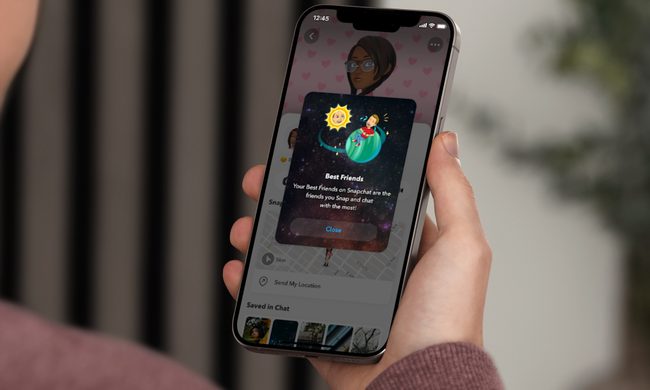
Snapchat Planets being shown on the Snapchat app on iPhone.

Snapchat+ includes several exclusive features, but few have generated as much curiosity as Snapchat Planets. Part of the app's Friend Solar System, it transforms your Best Friends list into a planetary ranking, assigning each of your top eight friends a planet based on how often you interact.

From Mercury, which represents your closest friend, to Neptune, which represents your eighth closest, the system offers a quick visual snapshot of your interactions. But what do the different planets actually mean, and how does Snapchat decide who gets which one?

Read more
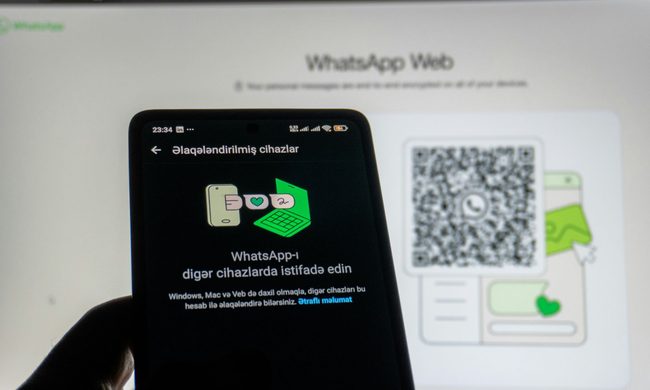
How to use WhatsApp Web
We'll show you how to use WhatsApp on your desktop or laptop
WhatsApp Web

As one of the most popular messaging services, you’ve already heard of WhatsApp. From its humble beginnings in 2009—two years before Apple introduced iMessage—to its acquisition by Facebook (now Meta) in 2014, WhatsApp has become the dominant messaging platform around the globe.

In recent years, it's grown even more potent with new features like video messages, self-destructing voice messages, the ability to edit sent messages, and more. We even finally got an WhatsApp iPad app in May 2025.

Read more
What is WhatsApp? How to use the app, tips, tricks, and more
From setting it up to mastering hidden features, here is your complete guide to WhatsApp.
WhatsApp app store listing open on iPhone

There's no shortage of messaging apps out there. The past decade has given us more options than we know what to do with, largely because smartphones demanded something better than plain old SMS.

Both the App Store and the Play Store are packed with apps that promise to revolutionize the way we communicate. Most of them didn't make it. The truth is, a messaging app is only as good as the number of people using it, and most apps never cross that threshold.

Read more