1. Home
  2. Mobile
  3. Legacy Archives

Nokia N8 pinks up with Symbian “Anna”

Add as a preferred source on Google

Finland’s Nokia might be hard at work laying off employees, passing off Symbian to Accenture, and cranking away on a future family of Windows Phone devices, but the company still has to keep its current product line fresh an active if it wants to remain the top handset maker in the world. As part of that effort, the company has introduced a new version of the Nokia N8 smartphone: the device still sports a 12-megapixel camera with HD video capability and Nokia’s range of Ovi services, but now it will some with Symbian “Anna,” an update to Symbian^3 with improvements based largely on customer feedback. And it’ll be available in pink.

Nokia N8 (pink)
Nokia

“Following the fantastic response to the range of colors we launched for the Nokia N8, it seemed a natural step to extend this choice,” said Nokia senior designer Rachael Bell. “The Nokia N8 in pink complements the original line up well with its expressive, intense hue.”

Recommended Videos

Nokia began shipping the N8 back in mid-2010, and the new version of doesn’t change the hardware: the device still sports a 12-megapixel camera (with HD video capability), HDMI output, a 3.5 AMOLED screen, 16 GB of onboard storage (plus microSD removable storage), integrated Wi-Fi, assisted GPS navigation, and the full gamut of Ovi services (like Ovi Maps) to help people get through their complicated lives.

The Symbian “Anna” update features “real” home screen scrolling, an onscreen QWERTY keyboard that works in portrait orientation, an improved Web browser, a significant update to Ovi Maps (including predictive search), and “new iconography.”

Unfortunately, while Nokia is touting the pink edition of the N8, the company hasn’t offered any details about pricing or availability. If pressed, we would guess it would appear in markets where Nokia already has the N8 in channel with carrier partners…which means the United States would be low on the list.

Geoff Duncan
Former Contributor
Geoff Duncan writes, programs, edits, plays music, and delights in making software misbehave. He's probably the only member…
Snapchat Planets: What’s the order, and what do they mean?
Snapchat Planets turns your best friends list into a solar system, and yes, your orbit says a lot
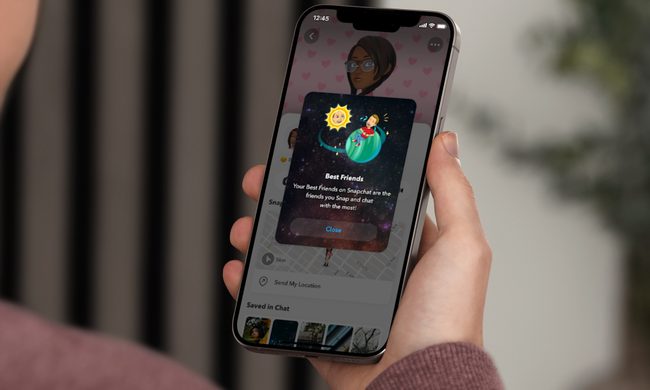
Snapchat Planets being shown on the Snapchat app on iPhone.

Snapchat is already packed with little symbols that can be weirdly hard to decode. You have streaks, emojis, badges, scores, Best Friends, and if you use Snapchat Plus, a tiny solar system that shows where you sit in someone’s closest-friends list.

The feature is called Friend Solar System, though most people just call it Snapchat Planets. It takes your position in a friend’s Snapchat orbit and turns it into a planet. From Mercury to Neptune, these celestial bodies signify how close a person is to you.

Read more
How to use WhatsApp Web
We'll show you how to use WhatsApp on your desktop or laptop
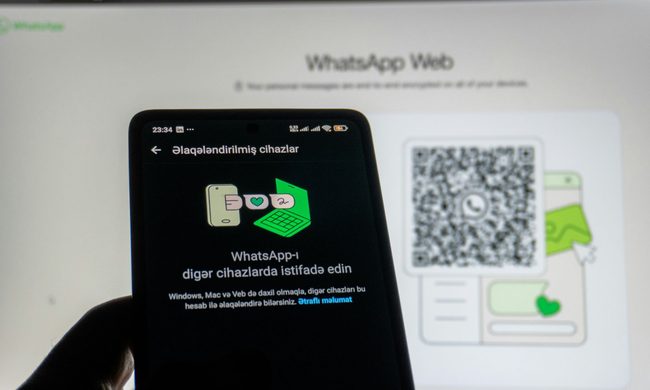
WhatsApp Web

As one of the most popular messaging services, you’ve already heard of WhatsApp. From its humble beginnings in 2009—two years before Apple introduced iMessage—to its acquisition by Facebook (now Meta) in 2014, WhatsApp has become the dominant messaging platform around the globe.

In recent years, it's grown even more potent with new features like video messages, self-destructing voice messages, the ability to edit sent messages, and more. We even finally got an WhatsApp iPad app in May 2025.

Read more
What is WhatsApp? How to use the app, tips, tricks, and more
From setting it up to mastering hidden features, here is your complete guide to WhatsApp.
WhatsApp app store listing open on iPhone

There's no shortage of messaging apps out there. The past decade has given us more options than we know what to do with, largely because smartphones demanded something better than plain old SMS.

Both the App Store and the Play Store are packed with apps that promise to revolutionize the way we communicate. Most of them didn't make it. The truth is, a messaging app is only as good as the number of people using it, and most apps never cross that threshold.

Read more