1. Home
  2. Mobile
  3. Android
  4. Emerging Tech
  5. Wearables
  6. News

Digital Trends may earn a commission when you buy through links on our site. Why trust us?

Samsung rolls into SID Display Week with a fully flexible smartphone screen

Add as a preferred source on Google

Samsung is known for some of its crazy ideas, and it has come up with plenty of concepts for flexible displays in the past, even implementing one in the Edge series of smartphones. But now it wants to take things to the next level with a completely rollable display. It was shown off at SID Display Week 2016 in San Francisco, and basically makes Samsung‘s OLED technology ultra-portable.

Unrolled, the display is 5.7 inches and offers a resolution of 1,920 x 1,080, so Samsung really isn’t messing around — this is the quality of display you would expect to find on any smartphone with decent specs. According to SlashGear, the display isn’t just great on paper, but it’s also just as bright and vivid as you would expect from any other Samsung display.

Recommended Videos

Of course, the best thing about this display isn’t how great the actual display is — it’s how small it can get. Because of the fact that the display is only 0.3mm thick, it can be rolled up onto a metal cylinder with a radius of 10mm.

The tech isn’t perfect yet — the display is 0.3mm thick, but only as a display. In other words, there’s no touch layer, and once implemented, the touch layer will affect both the thickness and the flexibility of the display, so don’t expect to have a rollable smartphone just yet. Samsung also has yet to figure out where to put a battery for the display to make it a commercially viable device, and the company hasn’t said how many times the display can be rolled and unrolled before it might crack or break.

This isn’t the first time we’ve seen a display that can be rolled up like a newspaper. LG shows off an equally impressive roll-up TV earlier this year. Between LG and Samsung, the future looks bright for flexible screens.

Christian de Looper
Christian de Looper is a long-time freelance writer who has covered every facet of the consumer tech and electric vehicle…
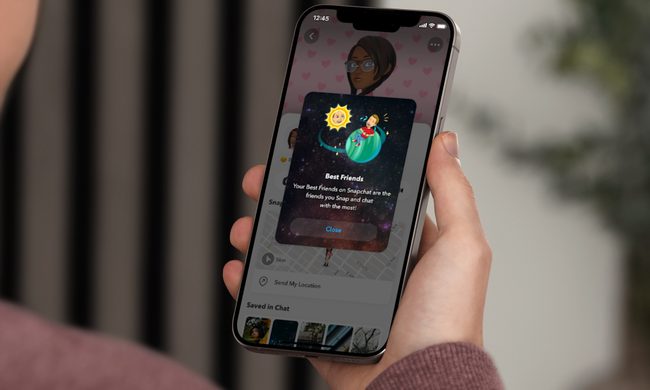
Snapchat Planets Meaning: Order, Rankings, and How Friend Solar System Works
Snapchat Planets turns your best friends list into a solar system, and yes, your orbit says a lot
Snapchat Planets being shown on the Snapchat app on iPhone.

Snapchat+ includes several exclusive features, but few have generated as much curiosity as Snapchat Planets. Part of the app's Friend Solar System, it transforms your Best Friends list into a planetary ranking, assigning each of your top eight friends a planet based on how often you interact.

From Mercury, which represents your closest friend, to Neptune, which represents your eighth closest, the system offers a quick visual snapshot of your interactions. But what do the different planets actually mean, and how does Snapchat decide who gets which one?

Read more
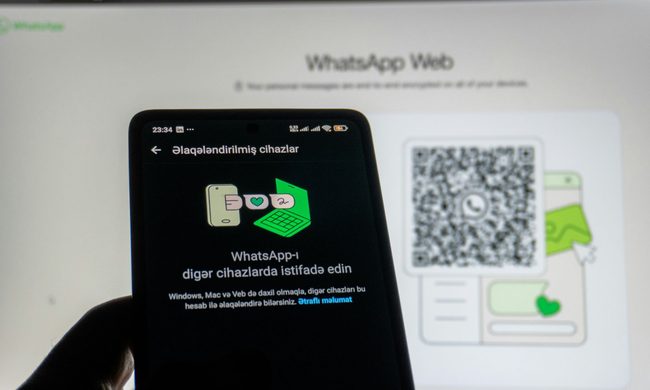
How to use WhatsApp Web
We'll show you how to use WhatsApp on your desktop or laptop
WhatsApp Web

As one of the most popular messaging services, you’ve already heard of WhatsApp. From its humble beginnings in 2009—two years before Apple introduced iMessage—to its acquisition by Facebook (now Meta) in 2014, WhatsApp has become the dominant messaging platform around the globe.

In recent years, it's grown even more potent with new features like video messages, self-destructing voice messages, the ability to edit sent messages, and more. We even finally got an WhatsApp iPad app in May 2025.

Read more
What is WhatsApp? How to use the app, tips, tricks, and more
From setting it up to mastering hidden features, here is your complete guide to WhatsApp.
WhatsApp app store listing open on iPhone

There's no shortage of messaging apps out there. The past decade has given us more options than we know what to do with, largely because smartphones demanded something better than plain old SMS.

Both the App Store and the Play Store are packed with apps that promise to revolutionize the way we communicate. Most of them didn't make it. The truth is, a messaging app is only as good as the number of people using it, and most apps never cross that threshold.

Read more