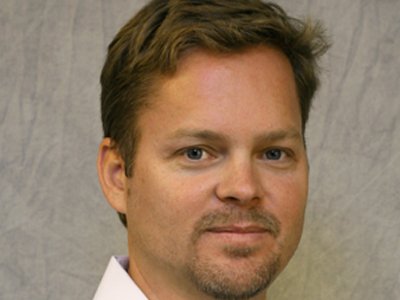
 Dag Kittlaus, co-founder of the company that created the highly acclaimed Siri voice recognition “assistant” that’s built into the iPhone 4S has allegedly left Apple, reports Kara Swisher at AllThingsD. His departure is said to have been planned, and friendly.
The co-founder and former chief executive of Siri, which was purchased by Apple in 2010, Kittlaus is said to have left to be closer to his family, who live in Chicago; to have some much-needed time off; and to embark on further entrepreneurial endeavors, say sources close to the matter.
According to Darrell Etherington at GigaOm, Kittlaus’ resignation from Apple was long in the making, and “amicable.” Siri’s other two co-founders, Adam Cheyer and Tom Gruber, apparently still remain at Apple, according to their profiles on LinkedIn.
Siri stands as one of the most-compelling selling points for the newly released iPhone 4S. Lacking any external design changes from last year’s iPhone 4, the iPhone 4S includes a faster dual-core A5 processor, a faster GPU, and a high-quality, 8-megapixel camera. Many of the other updates included in the iPhone 4S come in the form of iOS 5, Apple’s new mobile operating system, which can also be used on the iPhone 3GS, iPhone 4, third- and fourth-generation iPod touch devices, and the iPad and iPad 2. Siri is only available on the iPhone 4S.
Apple boasted last week that it had sold more than 4 million iPhone 4S units in the first three days after the device went on sale in seven markets worldwide. On Friday, pre-order sales of Apple’s new handset became available to customers in 22 additional countries, which include Austria, Belgium, Czech Republic, Denmark, Estonia, Finland, Hungary, Ireland, Italy, Latvia, Liechtenstein, Lithuania, Luxembourg, Mexico, Netherlands, Norway, Singapore, Slovakia, Slovenia, Spain, Sweden, and Switzerland. The device will officially launch in those countries on October 28.