1. Home
  2. Mobile
  3. Legacy Archives

Sony Ericsson loses $71 million due to Japan quake disaster

Add as a preferred source on Google
Sony Ericsson Xperia Play screen open controls
Image used with permission by copyright holder

Handset maker Sony Ericsson announced today a net loss of $70.7 million dollars in the second quarter of 2011. The erosion in revenue is mostly due to disruptions to its components supply chain that resulted from the calamitous earthquakes and tsunami that hit Japan in March. The natural disasters prevented the company from shipping approximately 1.5 million phones.

In total, Sony shipped 7.6 million handset units. That is down from the 8 to 11 million it expected to ship, and 32 percent less than than the same period last year.

Recommended Videos

“We estimate that the impact of earthquake-related supply chain constraints on our portfolio was close to 1.5 million units, with most of the effect in the early part of the quarter,” says Sony Ericsson Chief Executive Bert Nordberg.

The primary impact of the disaster took place in the spring, the company said. But Sony Ericsson still faces challenges. The company is down about $317 million in cash flow, at least partly because of inventory build-up. And the price of cell phones has has dropped by about three percent. Despite this, Norberg says that they believe the worst has passed.

And there’s good reason for Sony Ericsson to be hopeful. The company has begun to more aggressively adopt the Android platform for its smartphone lines. Android devices now make up 70 percent of the company’s smartphone lineup. And sales of those devices are up 150 percent.

Sony Ericsson has announced a total of eight new Android phones so far this year. Its Android-based Xperia Play device debuted at the end of the first quarter. The handset is geared towards gamers, with a slide out control pad in place of a keyboard. A number of other Xperia models, like the high-end Xperia Arch, and the smaller and less-expensive Xperia Neo, have also launched.

Andrew Couts
Features Editor for Digital Trends, Andrew Couts covers a wide swath of consumer technology topics, with particular focus on…
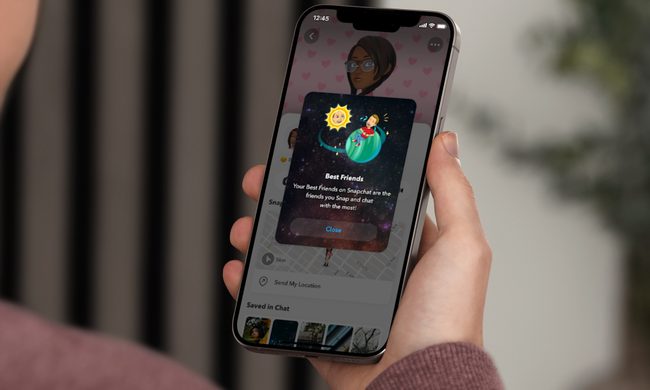
Snapchat Planets: What’s the order, and what do they mean?
Snapchat Planets turns your best friends list into a solar system, and yes, your orbit says a lot
Snapchat Planets being shown on the Snapchat app on iPhone.

Snapchat is already packed with little symbols that can be weirdly hard to decode. You have streaks, emojis, badges, scores, Best Friends, and if you use Snapchat Plus, a tiny solar system that shows where you sit in someone’s closest-friends list.

The feature is called Friend Solar System, though most people just call it Snapchat Planets. It takes your position in a friend’s Snapchat orbit and turns it into a planet. From Mercury to Neptune, these celestial bodies signify how close a person is to you.

Read more
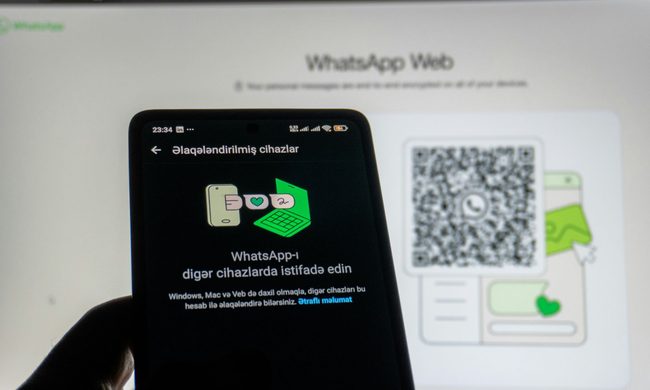
How to use WhatsApp Web
We'll show you how to use WhatsApp on your desktop or laptop
WhatsApp Web

As one of the most popular messaging services, you’ve already heard of WhatsApp. From its humble beginnings in 2009—two years before Apple introduced iMessage—to its acquisition by Facebook (now Meta) in 2014, WhatsApp has become the dominant messaging platform around the globe.

In recent years, it's grown even more potent with new features like video messages, self-destructing voice messages, the ability to edit sent messages, and more. We even finally got an WhatsApp iPad app in May 2025.

Read more
What is WhatsApp? How to use the app, tips, tricks, and more
From setting it up to mastering hidden features, here is your complete guide to WhatsApp.
Electronics, Phone, Mobile Phone

There's no shortage of messaging apps out there. The past decade has given us more options than we know what to do with, largely because smartphones demanded something better than plain old SMS.

Both the App Store and the Play Store are packed with apps that promise to revolutionize the way we communicate. Most of them didn't make it. The truth is, a messaging app is only as good as the number of people using it, and most apps never cross that threshold.

Read more