1. Home
  2. Mobile
  3. Legacy Archives

Twitter saving lives in wake of Japan disaster

Add as a preferred source on Google
twitter logo
Image used with permission by copyright holder

According to a report by the BBC, Japanese doctors are applauding the social networking and microblogging site Twitter, calling it “an excellent system” that allows them to communicate with patients to let them know where they can obtain vital medication. The doctors’ appreciation of the service came to light on Friday after letters were published in The Lancet, one of the world’s leading medical journals.

While the March 11 quake knocked out most phone services, Internet access remained largely unaffected, allowing doctors to utilize Twitter’s service. In one of the letters published in The Lancet, Dr Yuichi Tamura and Dr Keiichi Kukuda of Keio University School Of Medicine in Tokyo, said initially their main challenge following the disaster was how to get vital pulmonary hypertension drugs to those who needed them.

Recommended Videos

“Forming a supply chain for such drugs in the earliest stages of the disaster was difficult; however we found that social networking services could have a useful role,” they said. The re-tweet facility facility meant that important information could be communicated quickly.

They went on to explain: “We were able to notify displaced patients via Twitter on where to acquire medications. These tweets immediately spread through patients’ networks, and consequently most could attend to their essential treatments.”

“Our experience has shown that social networking services, run concurrently with physical support, were significant in triumphing over many difficulties in the recent catastrophe,” the doctors said in the letter, highlighting the widening and positive ways in which platforms such as Twitter can be used.

It’s not only Japan’s medical profession that has been putting Twitter to good use following the disaster. The management of TEPCO, responsible for Japan’s stricken nuclear power plant in Fukushima, also launched a Twitter account to provide the public with updates on that state of the damaged reactors. At the time of writing, TEPCO’s Twitter account has more than 300,000 followers, and has seen 80 tweets in almost two months.

Twitter has become a big hit with the Japanese, with a study last year showing it to be even more popular than Facebook.

Trevor Mogg
Contributing Editor
Not so many moons ago, Trevor moved from one tea-loving island nation that drives on the left (Britain) to another (Japan)…
Topics
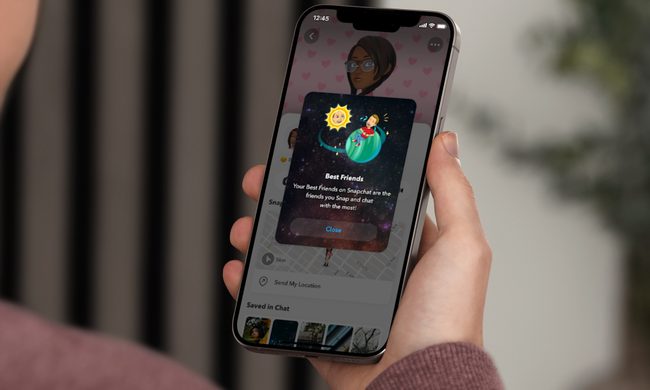
Snapchat Planets: What’s the order, and what do they mean?
Snapchat Planets turns your best friends list into a solar system, and yes, your orbit says a lot
Snapchat Planets being shown on the Snapchat app on iPhone.

Snapchat is already packed with little symbols that can be weirdly hard to decode. You have streaks, emojis, badges, scores, Best Friends, and if you use Snapchat Plus, a tiny solar system that shows where you sit in someone’s closest-friends list.

The feature is called Friend Solar System, though most people just call it Snapchat Planets. It takes your position in a friend’s Snapchat orbit and turns it into a planet. From Mercury to Neptune, these celestial bodies signify how close a person is to you.

Read more
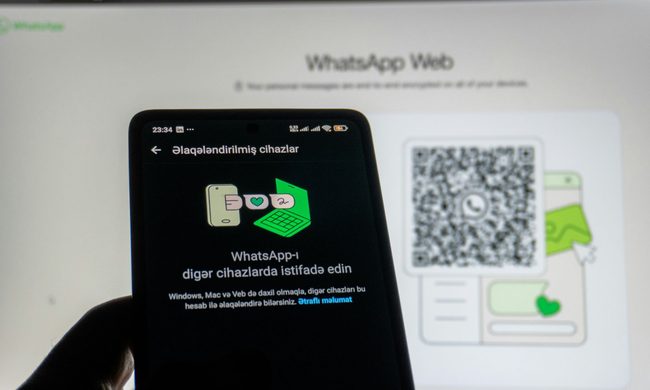
How to use WhatsApp Web
We'll show you how to use WhatsApp on your desktop or laptop
WhatsApp Web

As one of the most popular messaging services, you’ve already heard of WhatsApp. From its humble beginnings in 2009—two years before Apple introduced iMessage—to its acquisition by Facebook (now Meta) in 2014, WhatsApp has become the dominant messaging platform around the globe.

In recent years, it's grown even more potent with new features like video messages, self-destructing voice messages, the ability to edit sent messages, and more. We even finally got an WhatsApp iPad app in May 2025.

Read more
What is WhatsApp? How to use the app, tips, tricks, and more
From setting it up to mastering hidden features, here is your complete guide to WhatsApp.
Electronics, Phone, Mobile Phone

There's no shortage of messaging apps out there. The past decade has given us more options than we know what to do with, largely because smartphones demanded something better than plain old SMS.

Both the App Store and the Play Store are packed with apps that promise to revolutionize the way we communicate. Most of them didn't make it. The truth is, a messaging app is only as good as the number of people using it, and most apps never cross that threshold.

Read more