1. Home
  2. Mobile
  3. Android
  4. Legacy Archives

White House requests immunity for companies that surrender data to authorities

Add as a preferred source on Google

Just over a month after announcing plans to end the NSA’s bulk collection of phone data, the White House is preparing for the transition by asking lawmakers to give immunity to telecommunication firms that hand over phone records. According to the Guardian, the Obama administration privately provided legislators with a four-page request to serve as a guide for surveillance reforms. In the document, the White House said that it wants immunity for “any person who complies in good faith with an order to produce records.”

The request is in line with a controversial provision in the Foreign Surveillance Intelligence Act (FISA) Amendments Act of 2008. The act provided retroactive immunity for electronic communication service providers that handed over phone data to authorities from Sept. 11, 2001 to January 17, 2007 under the Terrorist Surveillance Program.

Recommended Videos

A White House official told the Guardian that the provision is typical for surveillance laws. “This would refer to any new orders issued by the court under the new regime we are proposing. This is similar to the way the rest of Fisa already operates, and Fisa already contains virtually identical language for its other provisions, including Section 215,” the official said. Section 215 refers to a portion of the Patriot act that allows the FBI, even without probable cause, to compel any person or entity to turn over “the production of any tangible thing” so long as its for protecting against international terrorism.

Right now, there are two bills in Congress that relate to surveillance reform. The first one, authored by member of the House Intelligence Committee, would allow authorities to access phone records even without an order from a judge. A competing bill is the USA Freedom Act, which prohibits the kind of bulk collection of data enabled by Section 215. A supporter of the bill has warned that he may add an amendment for defunding domestic data collection. Both bills have been stalled. However, the House Judiciary Committee will hold a markup for the USA Freedom Act on Wednesday.

Christian Brazil Bautista
Christian Brazil Bautista is an experienced journalist who has been writing about technology and music for the past decade…
Snapchat Planets: What’s the order, and what do they mean?
Snapchat Planets turns your best friends list into a solar system, and yes, your orbit says a lot
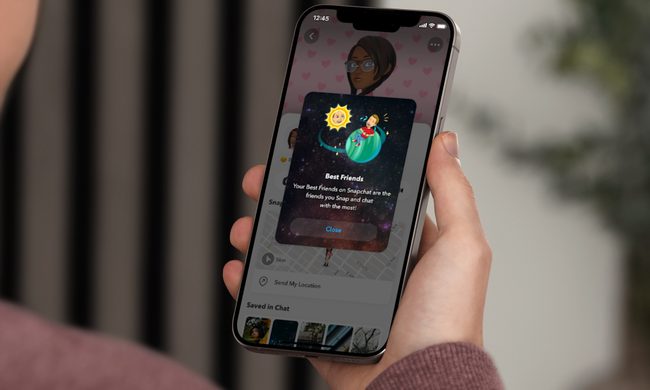
Snapchat Planets being shown on the Snapchat app on iPhone.

Snapchat is already packed with little symbols that can be weirdly hard to decode. You have streaks, emojis, badges, scores, Best Friends, and if you use Snapchat Plus, a tiny solar system that shows where you sit in someone’s closest-friends list.

The feature is called Friend Solar System, though most people just call it Snapchat Planets. It takes your position in a friend’s Snapchat orbit and turns it into a planet. From Mercury to Neptune, these celestial bodies signify how close a person is to you.

Read more
How to use WhatsApp Web
We'll show you how to use WhatsApp on your desktop or laptop
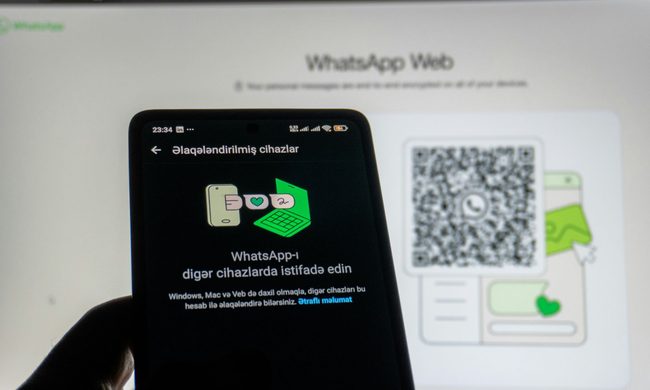
WhatsApp Web

As one of the most popular messaging services, you’ve already heard of WhatsApp. From its humble beginnings in 2009—two years before Apple introduced iMessage—to its acquisition by Facebook (now Meta) in 2014, WhatsApp has become the dominant messaging platform around the globe.

In recent years, it's grown even more potent with new features like video messages, self-destructing voice messages, the ability to edit sent messages, and more. We even finally got an WhatsApp iPad app in May 2025.

Read more
What is WhatsApp? How to use the app, tips, tricks, and more
From setting it up to mastering hidden features, here is your complete guide to WhatsApp.
Electronics, Phone, Mobile Phone

There's no shortage of messaging apps out there. The past decade has given us more options than we know what to do with, largely because smartphones demanded something better than plain old SMS.

Both the App Store and the Play Store are packed with apps that promise to revolutionize the way we communicate. Most of them didn't make it. The truth is, a messaging app is only as good as the number of people using it, and most apps never cross that threshold.

Read more