1. Home
  2. Mobile
  3. Android
  4. Photography
  5. Wearables
  6. Web
  7. News

Now you can watch 360-degree videos on YouTube, and they’re awesome

Add as a preferred source on Google

Virtual reality (VR) is the next frontier in entertainment, so the narrative goes. That may be true, but consumers will likely have a hard time justifying expensive viewing peripherals until the all-too-apparent content void is filled. Lucky for VR enthusiasts, today brought positive news on that front: YouTube has flipped the switch on the 360-degree video uploading it promised in January, allowing users to post footage captured with cameras like the VSN V.360.

YouTubers’ 360-degree creations are viewable on desktop in Chrome by clicking and dragging around the viewing window, but the experience is far superior on the YouTube app for Android (Google says iOS support is coming). As long as a gyroscope is present, moving your phone will tilt and pan the frame in the corresponding direction. Presumably, the effect is best experienced with Google Cardboard or a similar frame.

Recommended Videos

It may be great for viewers, but for creators, the process isn’t seamless yet. Getting YouTube to recognize a 360-degree video requires downloading a script to make the necessary metadata edits. YouTube says it’s working towards a more automated solution.

No doubt in part thanks to the resurgence of virtual reality, multi-angle cameras are beginning to flood the market. The V.360 is a member of a crowded field, which includes Ricoh’s Theta, IC Real Tech’s Allie, Kdak’s SP360o, and four successfully crowdfunded cameras — the Panono, Bublcam, Centr, and 360cam.

The possibilities of 360-degree cameras paired with a VR headset are virtually endless. Imagine a seated perspective at a sporting arena, or the view from a concert mosh pit. Unfortunately, some of the technology isn’t quite ready for prime time — Digital Trends’ own photography editor Les Shu found VSN’s V.360 photo quality lacking. Given the pace of virtual reality hardware, though, there’s a good chance decent cameras will begin to emerge by the time HTC’s Vive, Facebook’s Oculus, and Samsung’s Gear VR hit store shelves.

Kyle Wiggers
Kyle Wiggers is a writer, Web designer, and podcaster with an acute interest in all things tech. When not reviewing gadgets…
Snapchat Planets: What’s the order, and what do they mean?
Snapchat Planets turns your best friends list into a solar system, and yes, your orbit says a lot
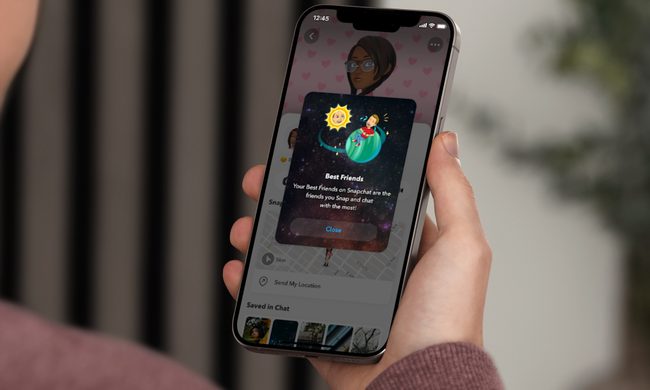
Snapchat Planets being shown on the Snapchat app on iPhone.

Snapchat is already packed with little symbols that can be weirdly hard to decode. You have streaks, emojis, badges, scores, Best Friends, and if you use Snapchat Plus, a tiny solar system that shows where you sit in someone’s closest-friends list.

The feature is called Friend Solar System, though most people just call it Snapchat Planets. It takes your position in a friend’s Snapchat orbit and turns it into a planet. From Mercury to Neptune, these celestial bodies signify how close a person is to you.

Read more
How to use WhatsApp Web
We'll show you how to use WhatsApp on your desktop or laptop
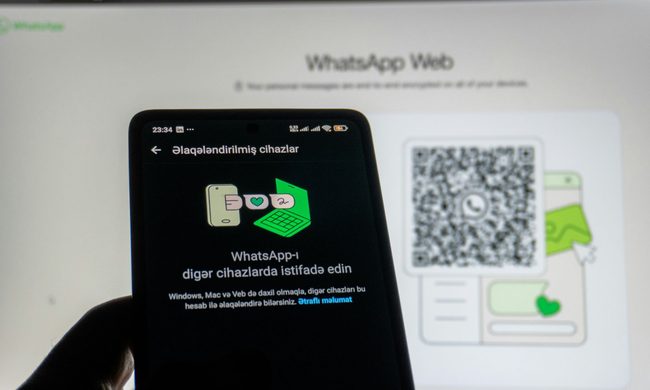
WhatsApp Web

As one of the most popular messaging services, you’ve already heard of WhatsApp. From its humble beginnings in 2009—two years before Apple introduced iMessage—to its acquisition by Facebook (now Meta) in 2014, WhatsApp has become the dominant messaging platform around the globe.

In recent years, it's grown even more potent with new features like video messages, self-destructing voice messages, the ability to edit sent messages, and more. We even finally got an WhatsApp iPad app in May 2025.

Read more
What is WhatsApp? How to use the app, tips, tricks, and more
From setting it up to mastering hidden features, here is your complete guide to WhatsApp.
WhatsApp app store listing open on iPhone

There's no shortage of messaging apps out there. The past decade has given us more options than we know what to do with, largely because smartphones demanded something better than plain old SMS.

Both the App Store and the Play Store are packed with apps that promise to revolutionize the way we communicate. Most of them didn't make it. The truth is, a messaging app is only as good as the number of people using it, and most apps never cross that threshold.

Read more