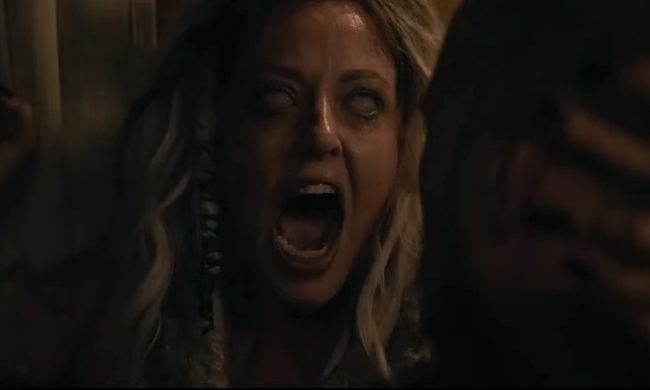
Great movies leave their audience thinking about what they saw long after the credits roll. Typically, this means raising some questions about the story and concluding the film without providing any answers. This approach can sometimes tank a film’s reception, but there have been multiple cases of movies winning over audiences with confusing and ambiguous endings.
Even after they premiered so many years ago, these ten films still leave viewers scratching their heads with their endings.
Inception (2010)
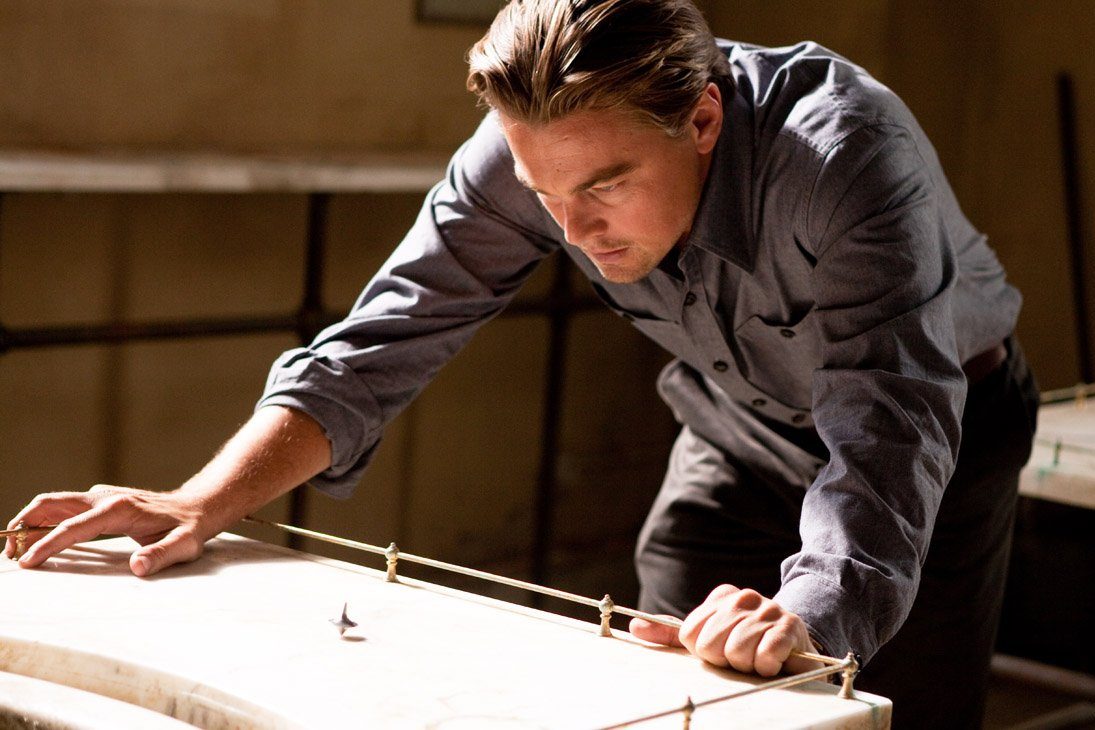
After Cobb rescues Saito from Limbo and completes inception on Robert, the former wakes up in America and passes through airport security. Having finished his mission, it seems Saito has fulfilled his end of the bargain and cleared Cobb of his criminal status. However, when Cobb finally reunites with his kids, the camera shows the top he uses to prove whether or not he’s awake continues to spin until the film cuts to black.
The implication that Cobb is still dreaming has made an already mind-bending film even more perplexing. It’s chilling to think that Cobb may be unknowingly trapped in his own sleeping mind. However, the ending to Inception also shows how he is no longer questioning his reality, as he is just happy to see his children’s faces again.
No Country for Old Men (2008)
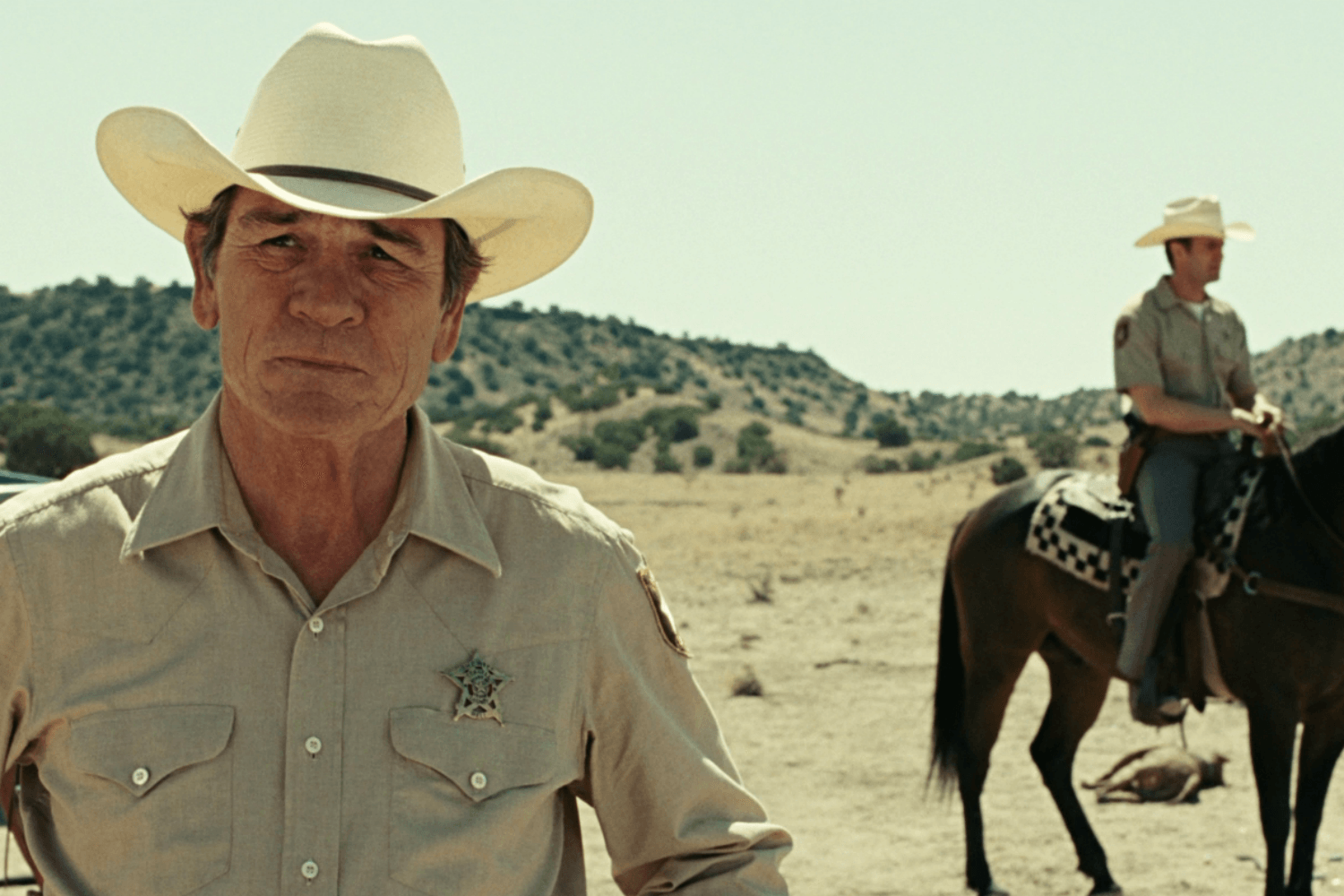
After Llewelyn is killed off-screen and Anton escapes with the stolen money, Ed retires as sheriff and recounts a couple of dreams he had to his wife. He says both dreams were about his father, with the first one being about losing money he was given. He says the second one had him and his father riding through the snow in days of old, and that the latter rode off carrying fire in a horn, with Ed knowing he would build a campfire for them both. Ed then says he woke up, and the film cuts to black.
It’s an unusual, anticlimactic way to end a film like No Country for Old Men, especially considering everything that came before it. Nevertheless, it fits the story’s style of dark realism, with all the characters getting an unsatisfactory ending and Ed hoping for better days to come soon.
Shutter Island (2010)
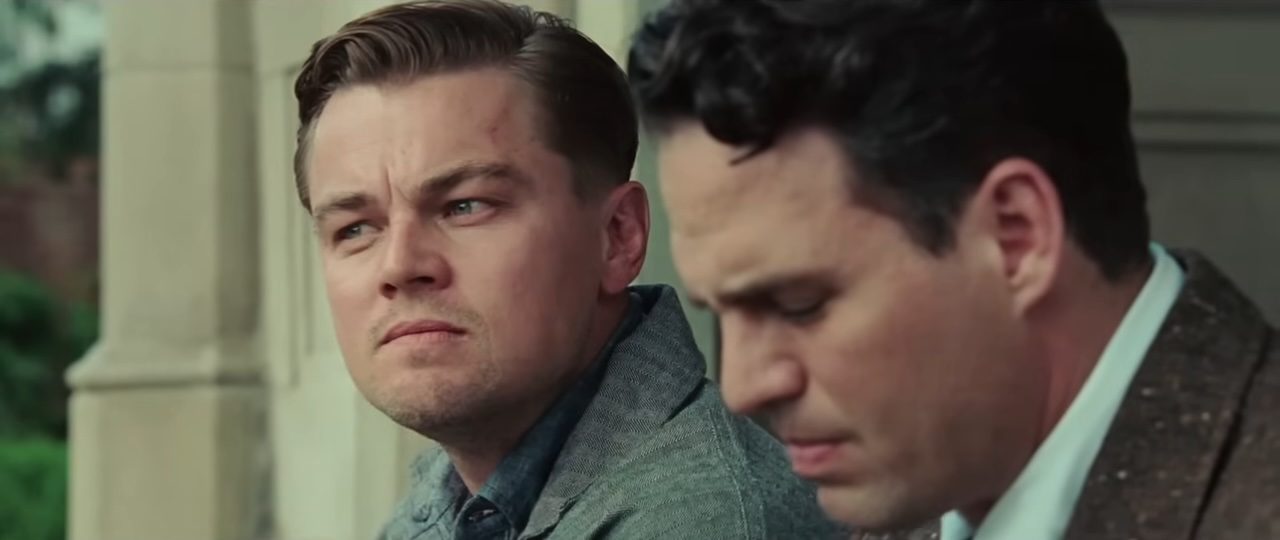
After Teddy investigates the disappearance of a patient at the titular psychiatric hospital, he realizes that he is actually “Andrew Laeddis,” one of the hospital’s delusional patients, and that the doctors are helping him live out a fantasy to try and bring him back to reality. At first, Andrew seems to have accepted the truth, but he soon appears to have relapsed, and he is sent to be lobotomized.
However, when he asks Dr. Sheehan if it’s worse to “live as a monster” or to “die as a good man,” it is implied that he is faking his relapse so he can escape his traumatic memories. Whether or not Andrew is aware of what he’s doing in Shutter Island is unclear. Either way, it is a tragic fate for a character who has endured so much guilt and trauma and simply wants to find peace.
The Blair Witch Project (1999)
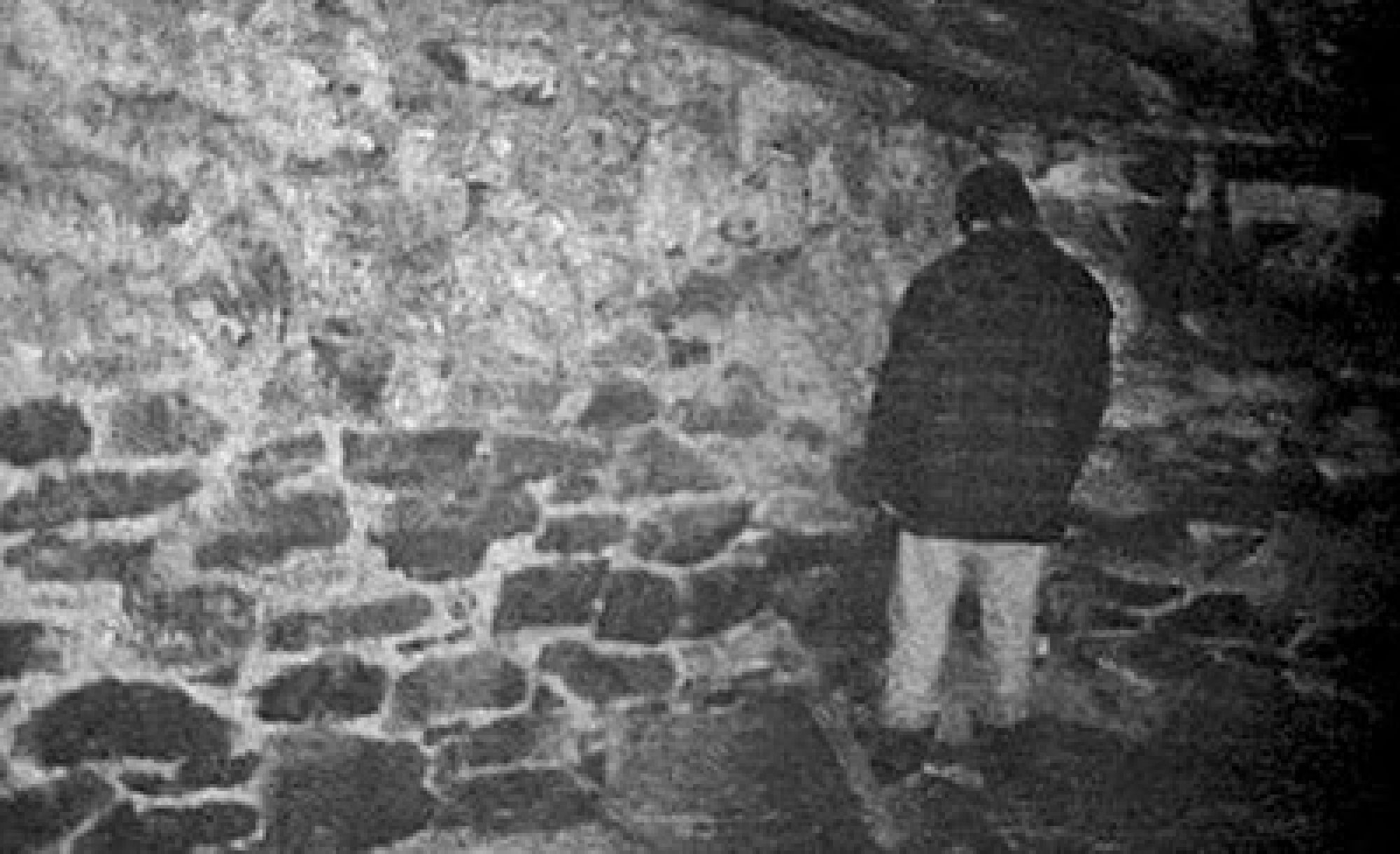
After seemingly getting trapped in the woods by the Blair Witch, filmmakers Heather and Mike spend the movie’s final moments searching for their friend, Josh, in the abandoned house of killer Rustin Parr. After Mike searches the basement and encounters an unseen entity, Heather finds him standing in the corner, staring at the wall, before the entity attacks her to end the film.
The bizarreness of the movie’s ending has made The Blair Witch Project all the more terrifying and memorable. Was it the Blair Witch who attacked Heather? Was it Josh? Why was Mike standing in the corner? Ultimately, all the questions raised by this frightening finale contributed to making this low-budget indie film a pop culture phenomenon.
Blade Runner (1982)
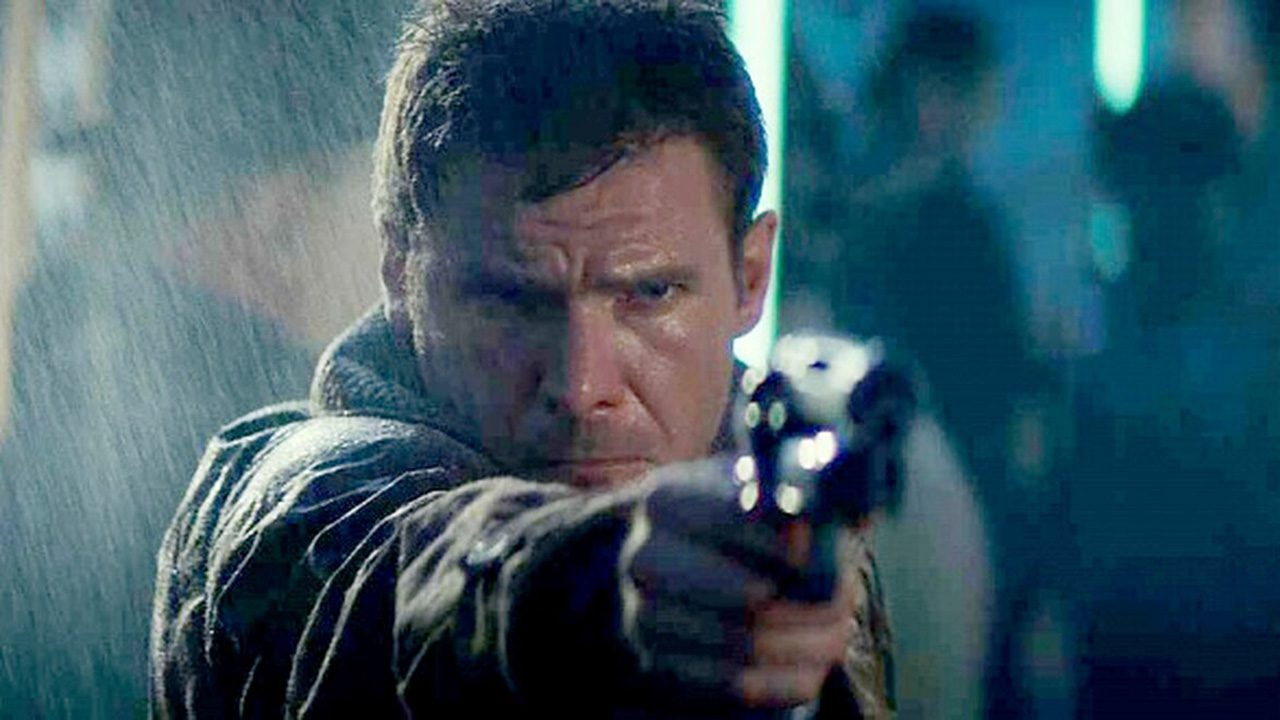
After the replicant Roy’s life expires, Deckard returns to his apartment to find Rachel and flee Los Angeles together. However, before they go, Deckard finds an origami unicorn lying on the floor, implied to have been left there by his colleague Gaff. Considering that Deckard dreamed of a unicorn earlier in the film and that replicants’ memories are implanted, this final scene suggests that Deckard was, in fact, a replicant.
Blade Runner repeatedly questions what defines a person, exploring how replicants like Roy and Rachel have emotions and generating sympathy for them, despite their being androids with false memories. The idea that Deckard could have been a replicant the whole time hammers the film’s message home and has led to long-lasting debates among audiences. Even the movie’s cast and crew can’t agree on whether Deckard is a human or a replicant. But does it really matter?
2001: A Space Odyssey (1968)
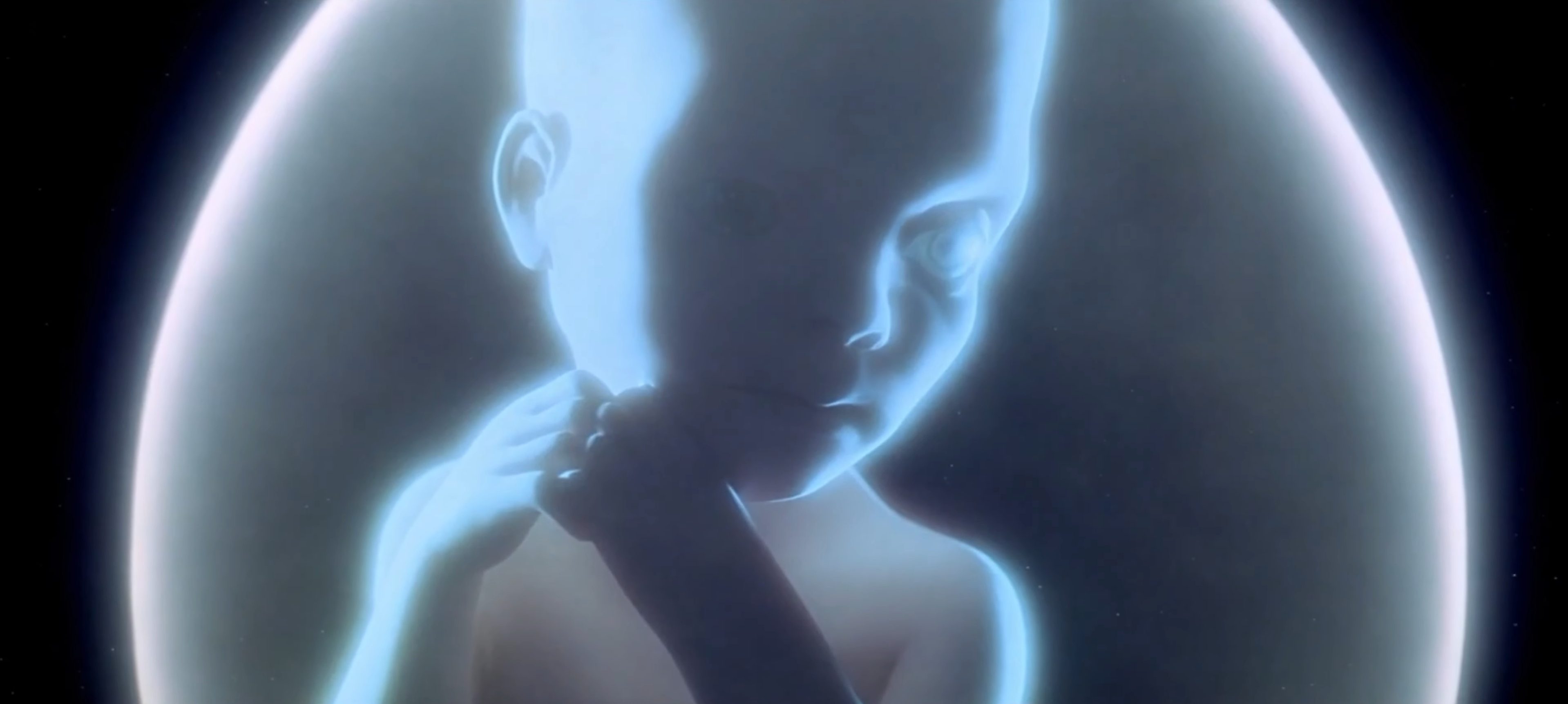
After surviving the wrath of the artificial intelligence HAL in 2001: A Space Odyssey, astronaut Dave Bowman finds himself hurtling across the cosmos after coming in contact with an alien monolith near Jupiter. He then ends up in a fancy hotel room, where he rapidly ages in his new home before lying on his deathbed in front of the monolith. However, he then turns into a glowing fetus that looks at the Earth from outer space.
From the Stargate’s psychedelic visuals to the bizarre hotel room to Dave’s sudden transformation, 2001‘s dialogue-free finale has mystified countless audiences in the decades since the film’s release. It is clear that some alien force has been manipulating humanity’s development throughout the film. But the mystery behind their actions captures both the beauty and terror of the unknown universe.
Donnie Darko (2001)
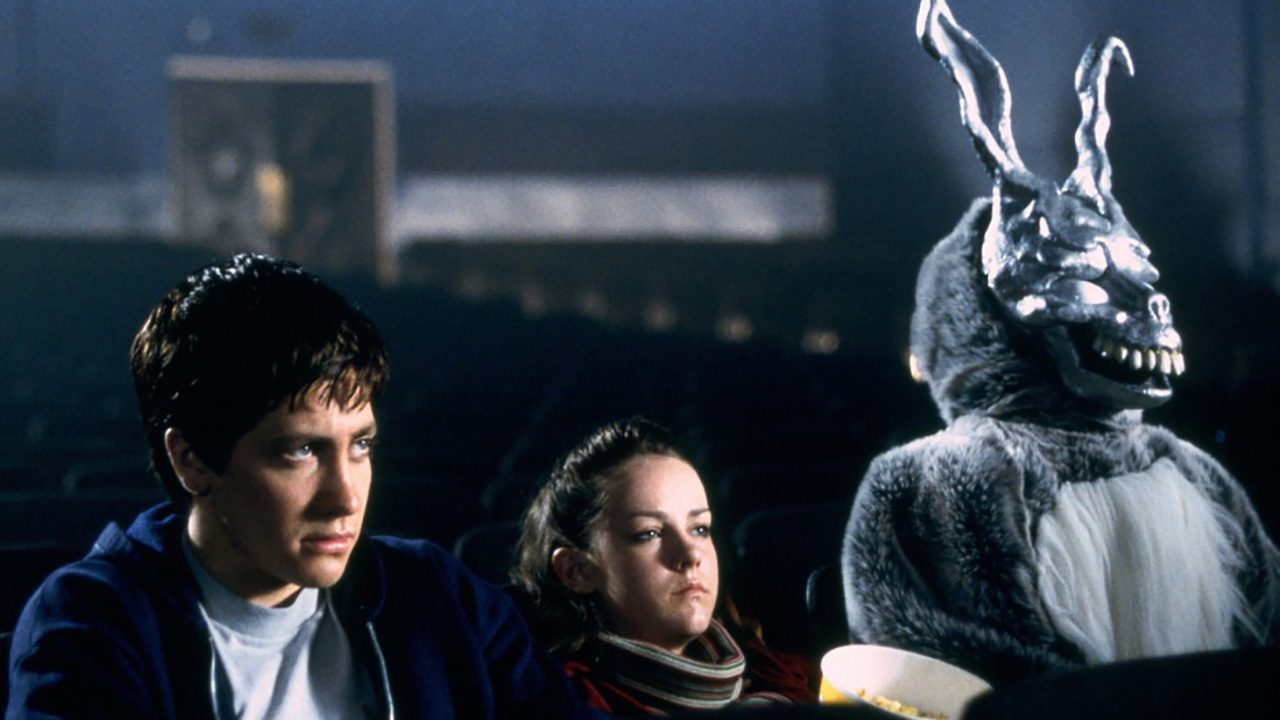
Donnie Darko is filled with mysteries, particularly as its titular character sees a man in a rabbit suit who tells him the world will end in 28 days. This prophecy comes to pass as a vortex appears in the sky, nearly killing his family in an airborne plane. However, time suddenly rewinds, with Donnie getting crushed by the plane engine that nearly killed him at the start of the film.
The reasoning for the world nearly ending, time rewinding, and Donnie’s death is left unexplained in the movie’s theatrical cut. Despite Donnie Darko’s ambiguous conclusion, it completes the film’s profound message about how one person can affect and connect those around them, exploring realities in which Donnie does and doesn’t exist.
American Psycho (2000)

American Psycho presents Patrick Bateman as an unreliable narrator, and the film’s ending shows the extent to which this is true. Though Patrick tries to confess to all his murders, they are all brushed aside, as one of Patrick’s victims is said to be alive. Patrick then sits at a table, just as confused as the audience, who have been left wondering how much of what occurred earlier in the film was real or if Patrick imagined all of his murders.
Whatever the truth is, American Psycho‘s ending is a haunting portrayal of the moral bankruptcy of Patrick and the world he inhabits. No one seems to care that Patrick committed so many murders or that he is clearly in need of psychiatric attention. Furthermore, Patrick’s inner monologue reveals that he hasn’t experienced any growth or remorse for his actions, and the world has allowed a dangerous and depraved individual to go unpunished.
The Thing (1982)
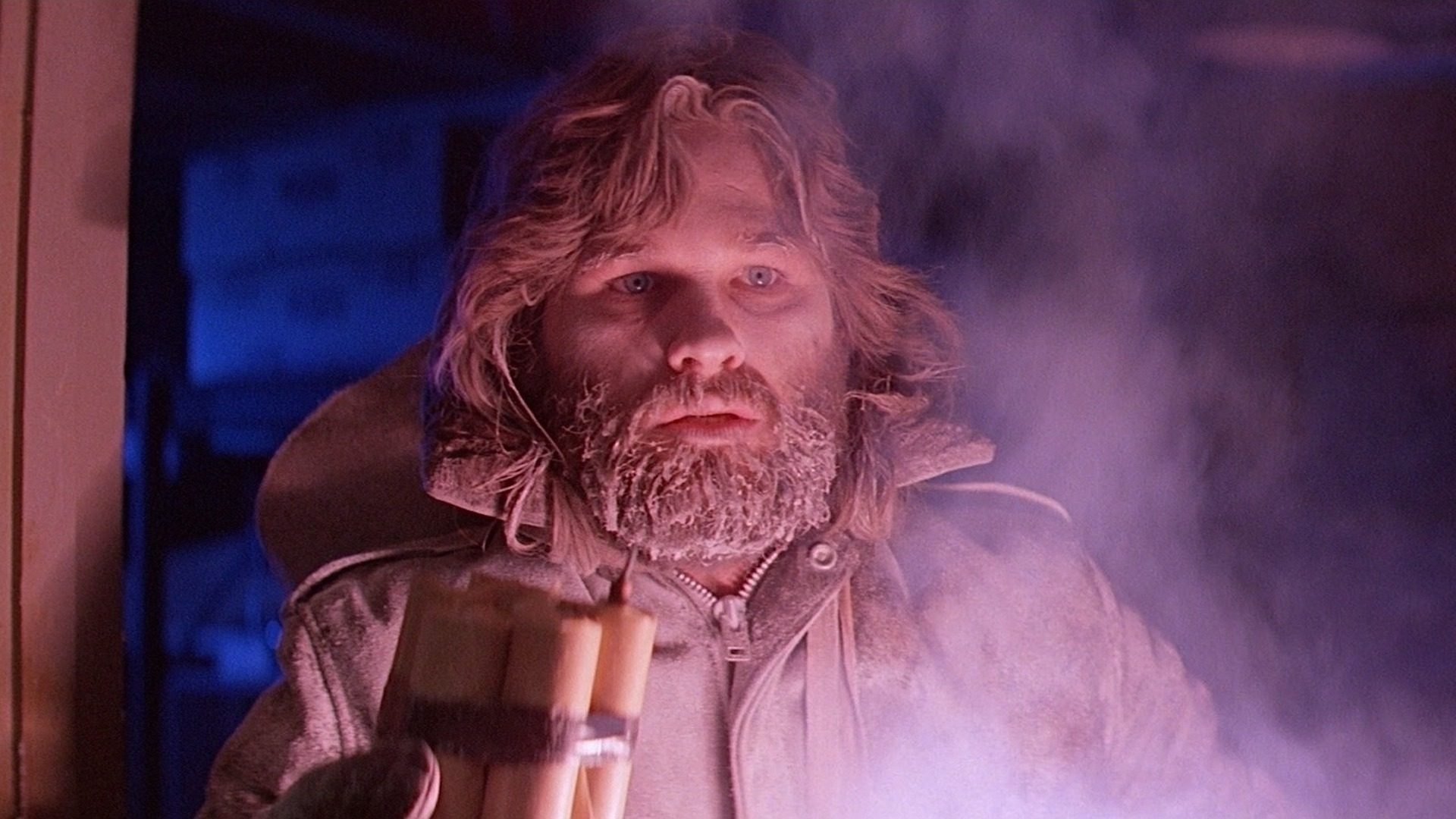
The Thing invoked incredible terror as the titular alien infects, assimilates, and shapeshifts into any organism it touches, rendering it an elusive world-ending threat. Though MacReady seemingly destroys the Thing at the end of the film, he comes across Childs in their base’s burning wreckage. Having disappeared earlier in the film, MacReady questions if the Thing infected Childs. Though both men don’t trust each other, they decide to share a bottle of whiskey and “see what happens.”
This ambiguous ending has baffled audiences for decades, with many people trying to determine whether the Thing infected one or both of the surviving men. The fact that audiences are still debating this scene highlights just how terrifying and thought-provoking The Thing is, highlighting the unknown horror of nature and the dangers of paranoia.
The Shining (1980)
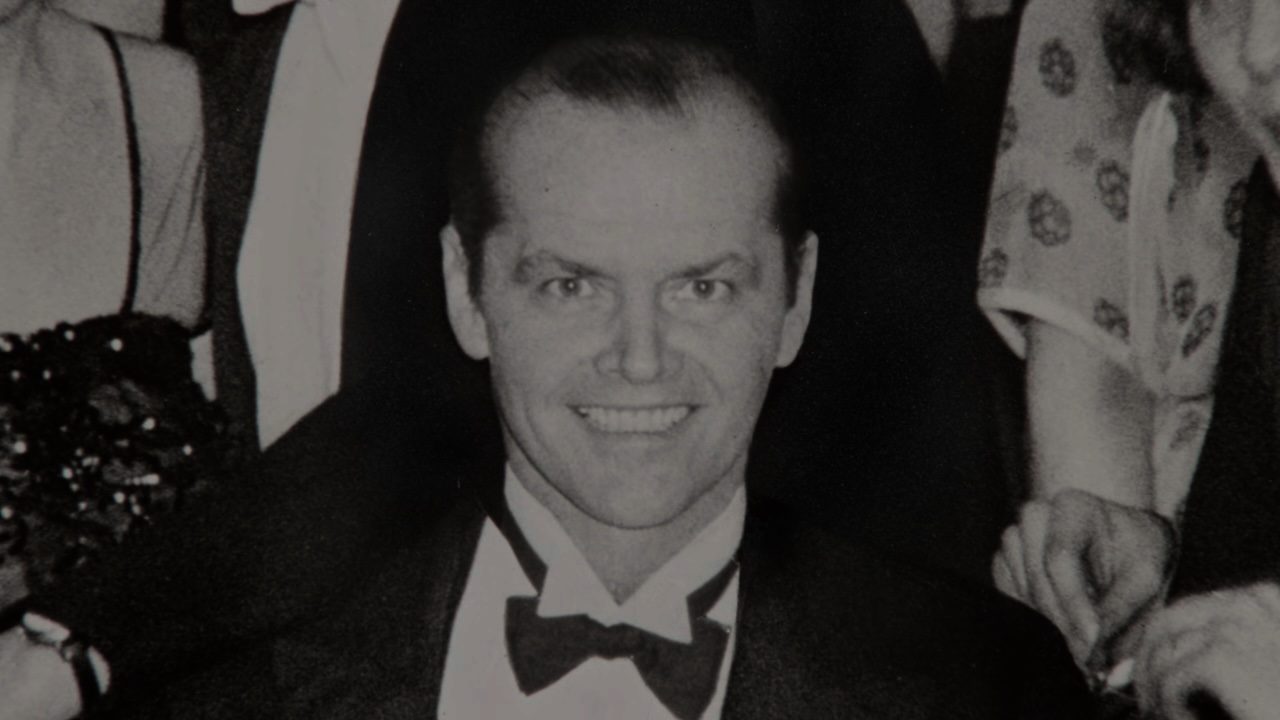
At the end of Stanley Kubrick’s adaptation of The Shining, Wendy and Danny escape the Overlook Hotel, and a murderous Jack is left to freeze to death in the hotel’s hedge maze. The film then cuts to a photo of the Overlook’s Fourth of July celebration from 1921, which somehow depicts Jack as one of the partygoers, leaving viewers with more questions than answers.
While the scene implies that Jack is the reincarnation of one of the Overlook’s previous caretakers, it also suggests that Jack’s spirit has been completely assimilated into the hotel’s legion of ghosts. Even after 45 years and the sequel film, Doctor Sleep, there’s no concrete explanation of what the photo really means, making it one of the most baffling final images in cinema history.