
“Why you can trust Digital Trends – We have a 20-year history of testing, reviewing, and rating products, services and apps to help you make a sound buying decision. Find out more about how we test and score products.“
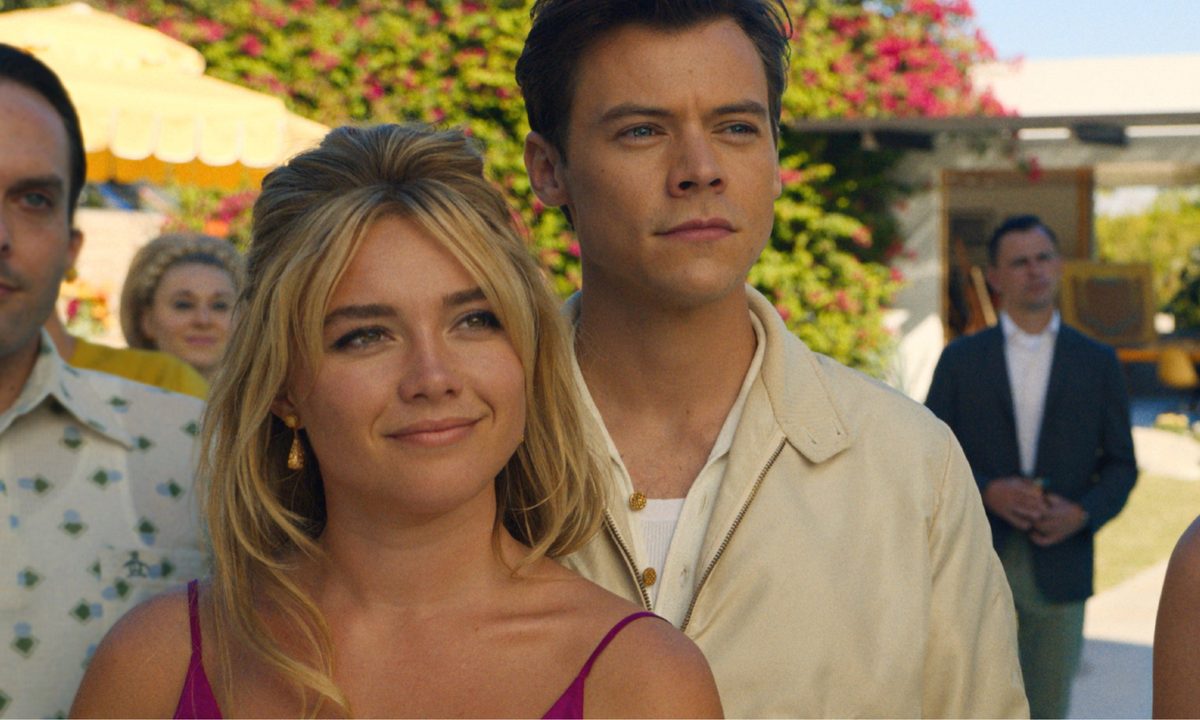
Opening with a seductive flow of cocktails and cocktail dresses, Olivia Wilde’s gilded-cage thriller Don’t Worry Darling takes place in a vaguely post-war luxury community that’s like a Barbie dream town built from collective nostalgic memory. Victory, as this domestic paradise is named, resembles just about any inviting postcard depiction of ’50s suburban life put on screen over the past 40 years. That’s all part of the movie’s design. It’s derivative with purpose, if not exactly with fresh insight.
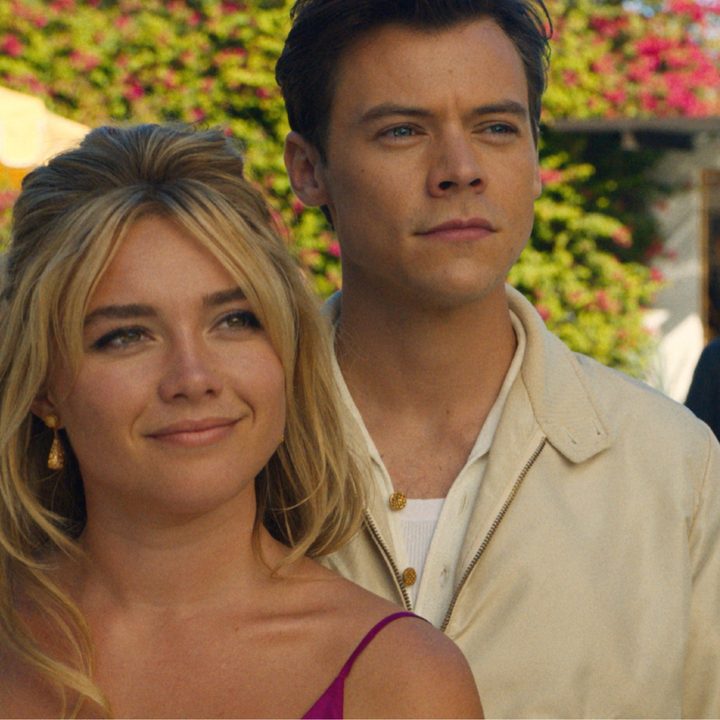
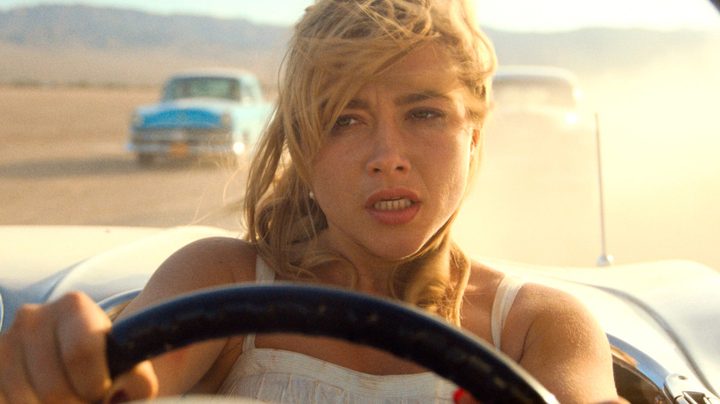
Among the residents of this Rockwellian tract-house haven is Alice (Florence Pugh), a young housewife as immaculately dressed and manicured as the chic home she ritualistically cleans. When not scrubbing and vacuuming, Alice drinks poolside with the other wives of the neighborhood. She’s married to Jack (the pop star Harry Styles), a blandly dashing British go-getter who lavishes her with status symbols and ravishes her over the dinner table. Every morning, he climbs into his sleek silver convertible, joining a fleet of commuting coworkers racing across the desert to company headquarters — the first image that implies there might be something a little stranger than simple stifling conformity going on beneath the immaculate surfaces of this town.
Wilde and her screenwriter, Katie Silberman, don’t rush to reveal that something. Instead, they let the audience discover it gradually with Alice, as little cracks form on the façade of her “perfect” dollhouse life. What, she begins to wonder, does her husband do out there in the desert, at a mysterious building none of the spouses are allowed to approach, supposedly for their own safety? “We’re changing the world,” insists Frank, town founder and cultishly revered CEO of The Victory Project, played with a twinkle of motivational-speaker arrogance by Chris Pine. He’s quick to dismiss the mounting anxieties of one of his employee’s wives (KiKi Layne, underserved by a skimpy role). Alice, though, starts to see some sense in her concern.
Audiences might be less interested in what’s going on behind the scenes of the fictional Victory than what went on behind the scenes of this real movie. Don’t Worry Darling arrives now after a press tour that turned into a long series of juicy dramatic anecdotes from the set — an airing of dirty celebrity laundry that kept social media enraptured and may well have goosed public interest in the film. Yet anyone going into it expecting telltale signs of a troubled production, or maybe some sort of new camp classic of clashing star egos, may be disappointed to discover how little of that purported chaos made it to the screen. If anything, Don’t Worry Darling is controlled to a fault.
It certainly represents a creative leap forward for Wilde, whose first feature, the teen comedy Booksmart, was much nicer than it was funny. (Like its uptight honor-roll heroines, it struggled to really cut loose.) Shifting to an entirely different wavelength here — and casting herself in a key supporting role — Wilde sustains an atmosphere of hushed unease via the whisper of a hyperventilating score, the repetitive buzz of a radio set to the golden oldies dial, and production design that’s a little fruitfully … off. All the same, it’s hard to shake the sense that the director has constructed her second feature like an annotated essay: A little of the feminist dread of The Stepford Wives, a little of the repetitive domestic routine of Jeanne Dielman, all threaded through a commentary on a modern male obsession with the traditional gender roles of a bygone era.
Wilde’s savviest move was securing Pugh, who slowly twists her cherubic joy into paranoid distress, like a reversal of her climactic close-up in Midsommar. The most striking moments in Don’t Worry Darling find her Alice staring, figuratively or literally, through the looking glass … or threatening to shatter it. At one point, she’s suddenly pinned against the bay window she’s cleaning by some mysterious, constricting force — a surreal expression of the moment when someone discovers that they’ve been living every day of their short life in a fishbowl. Yet Pugh can’t entirely enliven a movie that, eventually, just starts circling a twist the audience might figure out long before Alice does. Don’t Worry Darling is like a Twilight Zone episode pushed to the outer limits of its dramatic sustainability. It takes 122 minutes to do what Rod Serling would have in a cool 25.
What we’re watching is a fantasy of sunny, carefree prosperity splintering into a nightmare of oppressive confinement. But isn’t that the arc of every movie about the lie of the suburban dream, and the regressive dead end of the nuclear family plan? By now, calling the clichéd image of 1950s two-car-garage American bliss an illusion is its own cliché. It’s impossible to look at an impossibly bright, clean patch of front lawn and not think of the bugs David Lynch found squirming beneath some three-and-a-half decades ago. Don’t Worry Darling throws a new coat of paint on that premise. But as drama, it’s prefab.
Don’t Worry Darling opens in select theaters Friday, September 23. For more of A.A. Dowd’s writing, please visit his Authory page.


