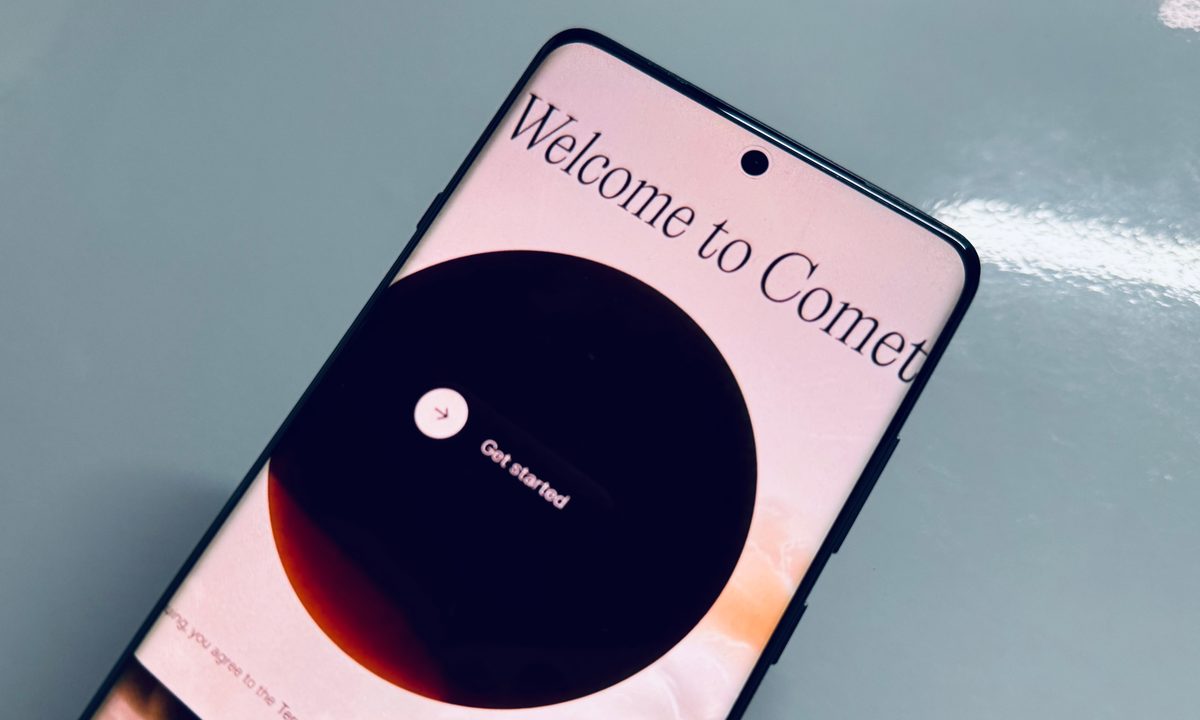
Over the past few days, I’ve tested a new AI-first browser called Comet, developed by Perplexity. The browser is still in an invite-only stage, and preference is given to users with a Perplexity subscription. The company, however, already has grand plans for the mobile platform.
Perplexity is already working on a mobile version of the Comet browser and talking with smartphone brands to pre-install it on their devices. In a conversation with The Verge, CEO Aravind Srinivas mentioned that a mobile version of the browser was in development and will co-exist alongside the Perplexity mobile app.
What’s coming?
“Some people are going to use the standalone Comet app, just like how they use Chrome or Safari, and it’s okay,” Srinivas said on the Decoder podcast. He mentioned that users will be able to interact with any webpage using AI, and that voice-based interactions will be a part of the package.
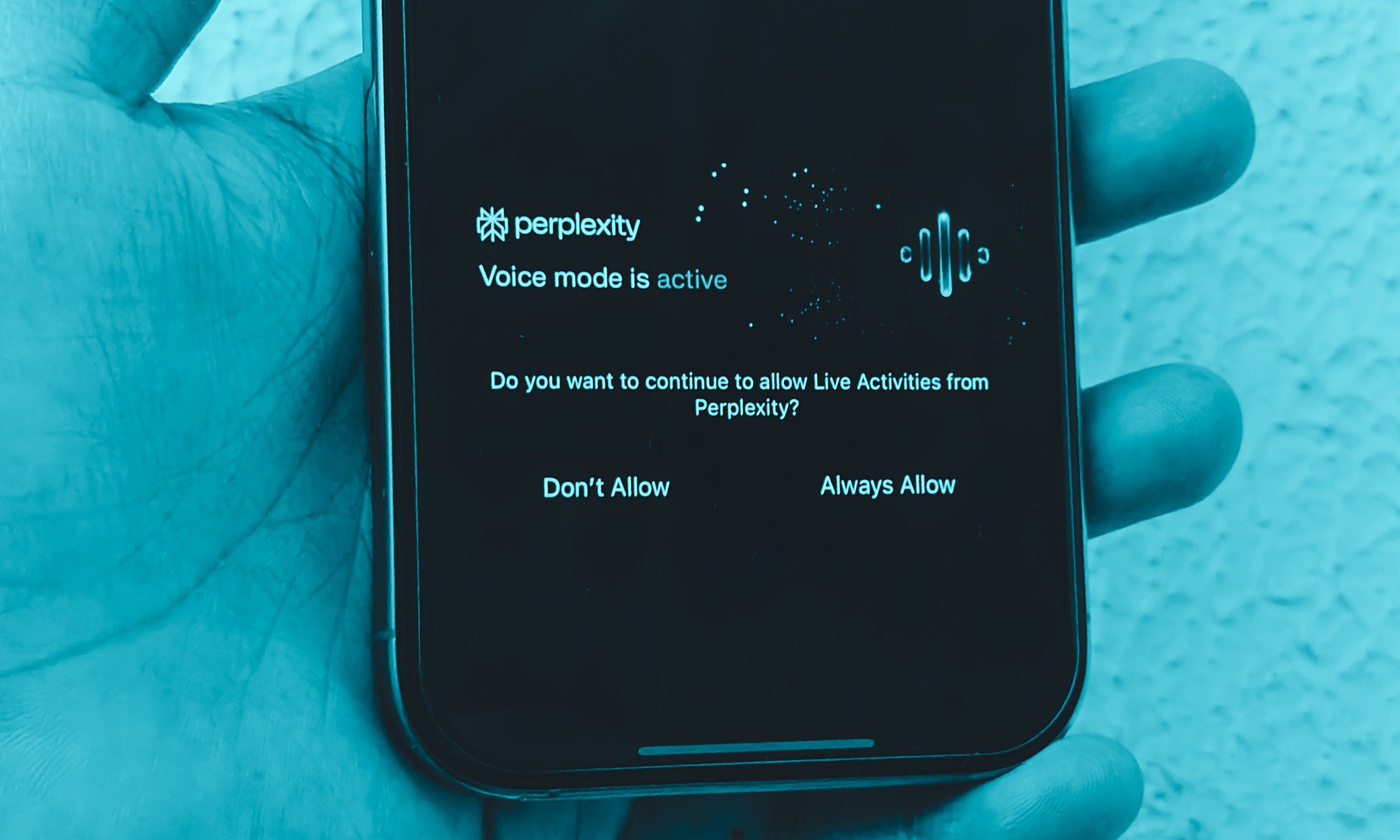
The Perplexity co-founder also revealed that the app will be available for both Android and iOS, mentioning Google’s Chromium and Apple’s WebKit foundations for web browsers. On the desktop version, Perplexity’s Comet browser is built atop the Chromium engine, which powers Chrome and Edge among other web browsers.
But developing a web browser is only one part of the equation. Wrangling a share out of Chrome’s massive user base is an entirely different ballgame. And that’s where Perplexity is hoping some brand partnerships will yield positive results.
A big chess move
The company is planning to join hands with smartphone brands so that the Comet app will come pre-installed on their hardware. “It’s not easy to convince mobile OEMs to change the default browser to Comet from Chrome,” Srinivas told Reuters.

Perplexity already has a similar deal in place with Motorola, which entails pre-installation of the Perplexity mobile app on smartphones. The AI company also created custom system-level optimizations that allow users to directly summon Perplexity using the Moto AI bundle, handle emails, control music playback, and make restaurant bookings.
Srinivas admitted that the road ahead won’t be easy. Google already has deals in place with Android smartphone brands that involve pre-installation and the setting up of Chrome as the default browser out of the box. Some of these stipulations are under antitrust scrutiny.
The browser landscape, however, is shifting rapidly. Google has already integrated AI mode within Search to do essentially what Perplexity’s answering engine does. Additionally, my experiments with Dia and Opera browser tell me that browsers with AI agents, or AI-powered action skills, are the next big frontier.
In the meantime, OpenAI — the maker of ChatGPT and one of the biggest AI players in the world — is reportedly working on its web browser, as well. The company already has agentic products such as Operator and ChatGPT agent out there. Moreover, it also has a deal in place with Apple that deeply integrates ChatGPT capabilities with Siri and across the Apple Intelligence stack.