What’s happened? Your Android phone might soon play like a console, thanks to Android 17. As reported by Android Authority, the next version of Android is expected to include a set of gaming-centric upgrades focusing on physical controller support and performance enhancements. These features are still in the rumor/leak phase, but the signs point toward a bigger push from Google into mobile gaming infrastructure.
- One key change is native gamepad remapping: Android 17 may allow users to redefine controller button mappings at the system level, not just within each game.
- The update may also deepen support for external controllers (Bluetooth, USB-C), reducing latency and increasing compatibility with more gamepad models.
- Graphics API improvements like mandatory ANGLE support and Vulkan optimizations (already seen in Android 16 previews) suggest the platform is gearing up for heavier games and smoother performance on controllers.

Why this is important: For Android gamers, these changes mean your phone or tablet might finally behave more like a proper gaming machine, with your controller in hand, and no touch-only compromises. The inability to easily remap buttons or pair high-performance controllers has long been a pain point for mobile gaming; Android 17 appears to be addressing it head-on.
Also, as devices grow more powerful and games get more complex (console-quality visuals, bigger file sizes, multiplayer depth), having robust controller support becomes a competitive advantage. Developers may start treating Android devices less as phones with games and more as portable gaming platforms, which could spur new titles, improved ports, and higher performance expectations.
Why should I care? If you play games on your Android device, even occasionally, this upcoming update could change how you hold it, connect it, and enjoy it. More controller-friendly features mean less fumbling with touch controls, better comfort, and possibly more games optimized for controller play instead of touchscreen compromises.
- Better comfort and performance: With native remapping and broader controller support, you may actually use your favorite gamepad instead of a compromise.
- More game choices: Developers, seeing better hardware and platform support, may bring more “console-style” games to Android, complete with full controller layouts.
- Longer-term value: If your next device supports Android 17 (or later) with these features, you may be future-proofing for mobile gaming, whether at home, on the go, or docked.
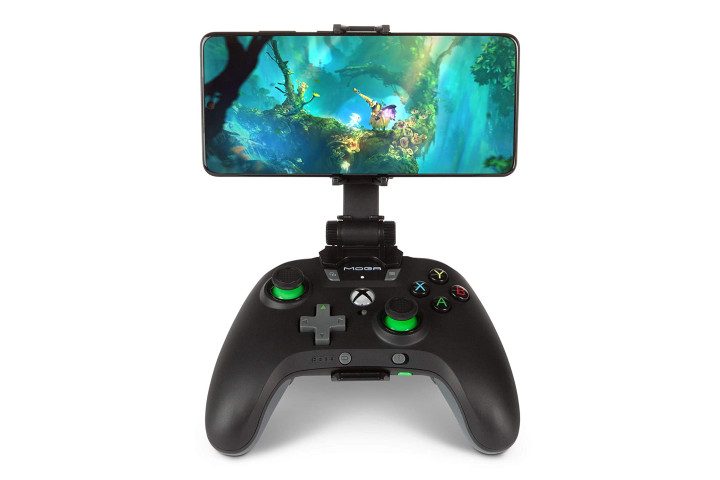
Okay, so what’s next? Android 17 is still months away, and these features are based on early code references and leaks, meaning things can evolve, disappear, or expand dramatically before launch. As such, you can expect a steady stream of test builds, developer notes, and teardown findings as Google refines the depth of controller support. What will happen next is a wave of developers poking at these tools in previews, testing how far the remapping API and latency improvements can be pushed. That means the next clues will come from games that quietly update their controller profiles or start optimizing for proper gamepad layouts. Hopefully, in a couple of months, mobile gaming may finally feel less like a workaround and more like a proper platform.