What’s happened? Showcased at WWDC 2025, iOS 16 made its way to compatible iPhones in September 2025. At its center is one of Apple’s most polarizing design choices ever: Liquid Glass. Even though the new design language has received mixed reviews, Android manufacturers have started to take “inspiration” from it.
- The Chinese smartphone manufacturer Vivo has unveiled its new custom user interface, built on top of Android 16, known as OriginOS 6.
- OriginOS 6 features translucent UI elements, squircle icons, an iOS 26-like lock screen clock, fluid UI animations, and even wallpapers that can shift from a 2D to 3D look, all of which resemble Apple’s Liquid Glass user interface.
- Icon packs inspired by Apple’s design language are already available on the Play Store, while Nothing community members are speculating the arrival of a Liquid Glass-like theme on their phones.
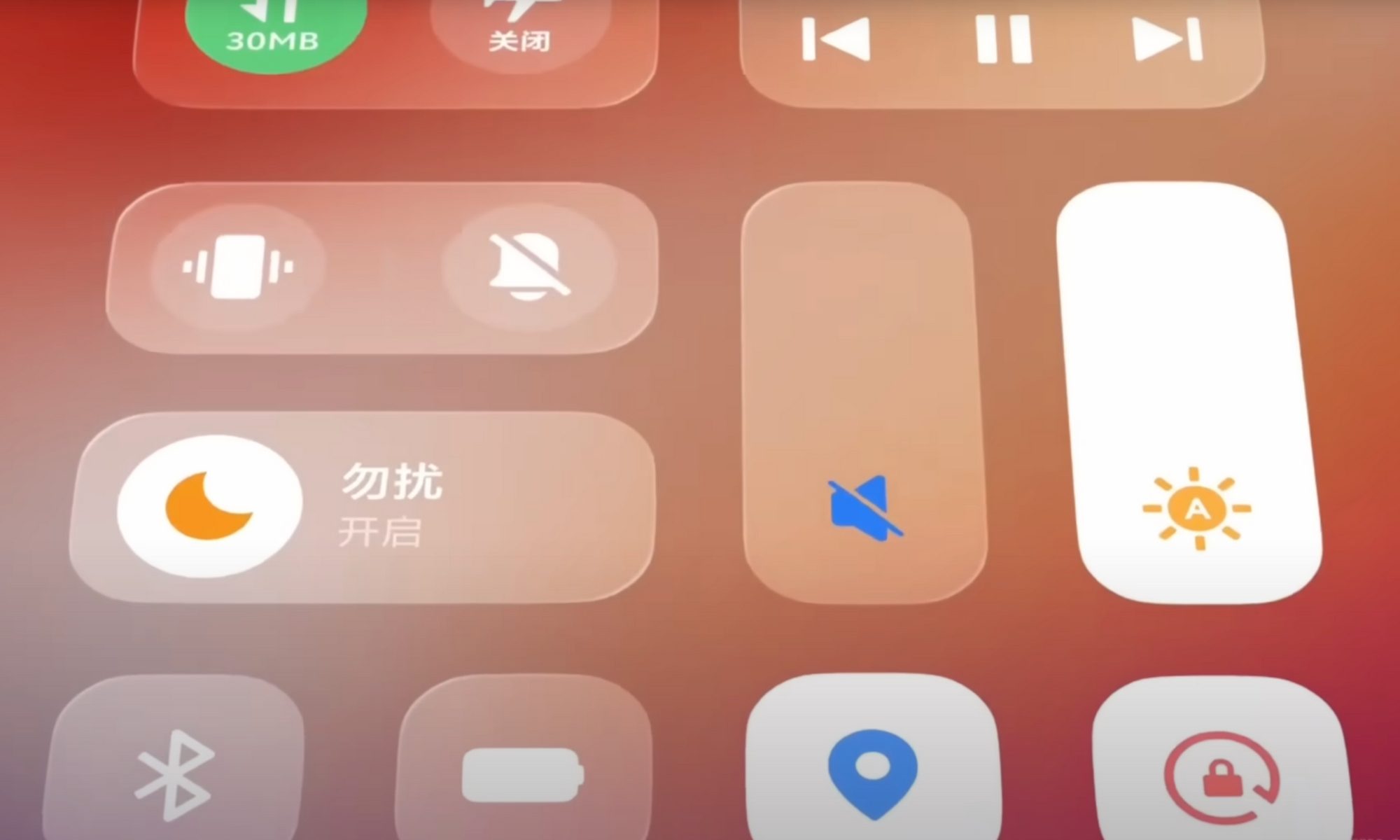
Why is this important? Remember the time when Apple unveiled the iPhone X, and all of a sudden, all smartphones started featuring a gigantic notch at the top? Or when the company introduced a Dynamic Island on the iPhone 14 Pro, and Android developers rushed to make a similar feature?
- Apple continues to influence design trends within the smartphone industry, with brands like Vivo (with a significant presence in markets like China and India) rushing to copy its UI changes.
- On the other hand, Android users have the most freedom to personalize their device, as they can also load custom launchers to change its appearance or choose the UI that looks best.
Why should I care? The development benefits Vivo users who like how the Liquid Glass design language looks on iOS 26 and can get a piece of it by upgrading to OriginOS 26. Other Android users can also download and install third-party apps with a glass-like translucent finish for the icons and wallpapers (like this one).
OK, what’s next? If the Liquid Glass design language grows popular within the Android community, you can expect more Android brands (like Xiaomi, Oppo, and OnePlus) to roll out translucent virtual elements as part of their UI. Furthermore, Android launcher developers will likely adopt the new theme in no time.